What Is The Difference between A Tamper Switch And A Flow Switch?
Views: 0 Author: Site Editor Publish Time: 2025-12-08 Origin: Site
Flow switches and tamper switches are both essential components in different systems, yet they serve distinct functions. While both are vital in their respective roles, understanding the differences between these two switches is crucial for selecting the appropriate one for a specific application. In this article, we will explore the purpose, working mechanisms, applications, and key differences between tamper switches and flow switches.
1. What is a Tamper Switch?
Definition and Purpose of a Tamper Switch
A tamper switch is a security device designed to detect unauthorized access or tampering with a system, device, or equipment. The primary function of a tamper switch is to monitor the physical integrity of a system to prevent potential damage, theft, or sabotage. When tampering is detected, the switch triggers an alarm or alert, notifying the system operator or security team of a potential breach.
Tamper switches are commonly used in scenarios where maintaining the security of equipment is essential, such as in critical infrastructure, restricted areas, or valuable assets. They are integral in protecting both the hardware and data associated with these devices.
How a Tamper Switch Works
Tamper switches are typically designed with a sensing mechanism that is activated when a device or system is disturbed, manipulated, or opened. The switch is usually embedded in doors, windows, or covers that protect sensitive equipment. When any unauthorized movement or tampering occurs, the switch is triggered and sends a signal to the system.
The switch itself might consist of simple mechanical components, such as a spring-loaded switch, or more complex electronic sensors that can detect changes in magnetic fields, pressure, or vibration. Once activated, the tamper switch communicates with the control system, often sending an alarm or alert notification to security personnel or the system's operator.
2. What is a Flow Switch?
Definition and Purpose of a Flow Switch
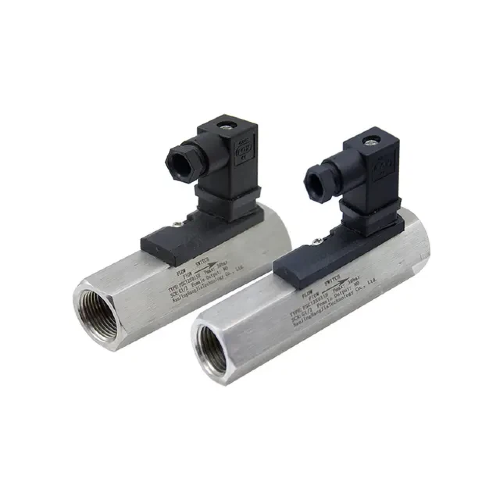
A flow switchis a device used in industrial and commercial systems to monitor the flow of liquids or gases through pipes or ducts. The primary purpose of a flow switch is to ensure that the flow rate of a fluid or gas remains within acceptable parameters. If the flow rate falls below or exceeds the predetermined threshold, the flow switch triggers an action to safeguard the system, such as sending an alarm or shutting down part of the system.
Flow switches play a vital role in maintaining system integrity in many industrial processes. They are often used in critical systems where continuous and reliable flow is essential for safe and efficient operation, such as in water treatment plants, HVAC systems, and chemical processing plants.
How a Flow Switch Works
Flow switches typically operate based on sensors that detect the movement or absence of fluid or gas within the system. The most common types of flow switches use mechanical, thermal, or magnetic sensors.
For example, a mechanical flow switch may contain a paddle or vane that moves with the fluid flow. When the fluid moves through the pipe, it causes the paddle to swing, activating the switch. Thermal flow switches use the heat transfer principle to detect changes in fluid flow. When the fluid passes over a heated sensor, it cools the sensor and triggers the switch when the temperature deviation surpasses a certain level. Magnetic flow switches, on the other hand, use the magnetic field induced by the flow of a conductive liquid or gas to activate the switch.
When the flow rate deviates from its designated threshold, the switch will either signal an alarm or activate the system to take corrective action, such as stopping a pump, adjusting the flow rate, or switching to a backup system to prevent damage to equipment.
3. Key Differences Between a Tamper Switch and a Flow Switch
While both tamper switches and flow switches are used for safety and monitoring purposes, they have distinct roles. Below is a detailed comparison of their functions, activation mechanisms, applications, and outputs.
Function and Purpose
Feature | Tamper Switch | Flow Switch |
Primary Function | Detects unauthorized access or interference | Monitors the flow of liquids or gases in a system |
Main Use | Security purposes, protecting devices from tampering | Industrial safety, ensuring proper fluid or gas flow |
Purpose | Alerts system of tampering or unauthorized access | Ensures the safe operation of industrial processes by monitoring flow |
Output | Alarm or notification of tampering | Alarm, shutdown, or corrective action in case of abnormal flow |
Tamper switches are typically used to safeguard against unauthorized access or manipulation, whereas flow switches are used to ensure that critical systems, such as those involving liquids and gases, are functioning correctly. Flow switches are primarily used to maintain the continuous operation of industrial systems by detecting deviations in flow conditions. In contrast, tamper switches are more focused on security and preventing tampering with sensitive systems.
Activation Mechanism
Feature | Tamper Switch | Flow Switch |
Trigger Mechanism | Activated by physical interference or disturbance | Activated by changes in flow rate (too high, too low, or no flow) |
Output Type | Binary output: on/off or alarm | Binary output: on/off, or signal to control system |
Response | Alerts to tampering with a device/system | Adjusts system or triggers alarm based on flow irregularities |
Tamper switches are activated by physical interference, such as when someone tries to open or tamper with a secured enclosure or equipment. In comparison, flow switches are activated by changes in the flow rate of a fluid or gas, typically indicating either a blockage or an issue with the system that requires attention.
Flow switches may use more complex sensing technologies to continuously monitor system status, whereas tamper switches often have simpler mechanical mechanisms for detecting unauthorized interference.
Applications
Feature | Tamper Switch | Flow Switch |
Common Uses | Security systems, electrical panels, access control | Water treatment, HVAC, industrial cooling, chemical processing |
Industries | Security, industrial, residential, commercial | Water treatment, HVAC, chemical, manufacturing |
Application Type | Protection of devices and systems from unauthorized interference | Monitoring and ensuring safe and efficient fluid/gas flow in critical systems |
Tamper switches are predominantly found in security-sensitive environments, where the objective is to prevent unauthorized access, damage, or tampering. These applications range from physical access control, such as doors and gates, to security for electronic systems, like alarm systems or control panels.
Flow switches, on the other hand, are primarily used in industrial and manufacturing systems. They ensure that essential processes, such as fluid flow in pipelines or air circulation in HVAC systems, are operating safely and efficiently. By detecting abnormal flow conditions, they help prevent costly equipment failures and system malfunctions.
Signal Output
Tamper Switch: Typically triggers an alarm or sends a signal indicating that tampering has occurred. This signal is often used to alert security personnel or activate additional measures, such as locking or system shutdown. The response is generally immediate, alerting operators to potential security breaches.
Flow Switch: Generally triggers an alarm or initiates an action to control the system, such as stopping a pump or switching to a backup system when flow conditions are abnormal. This can be a proactive measure to avoid damage to the system before a critical failure occurs.
4. Choosing the Right Switch for Your System
When to Use a Tamper Switch
Tamper switches are most suitable for systems where security is a primary concern. These systems require protection from unauthorized access, manipulation, or tampering that could result in system malfunctions, safety issues, or breaches. Common applications include:
Security Systems: Protecting entry points, electrical panels, or sensitive equipment from tampering.
Access Control: Securing doors, gates, or other restricted areas.
Surveillance Systems: Monitoring for unauthorized access to valuable assets.
When installing security-sensitive devices, tamper switches provide an extra layer of protection to prevent damage, theft, or unauthorized access that could compromise system integrity.
When to Use a Flow Switch
Flow switches are best used in industrial applications where fluid or gas flow is critical to system performance. They are essential for preventing system failures or damage caused by disruptions in flow. Common applications include:
Water Treatment: Ensuring that water flow remains consistent in filtration or treatment systems.
HVAC Systems: Monitoring the flow of air, water, or refrigerants to maintain optimal operation of heating and cooling systems.
Chemical Processing: Monitoring the flow of chemicals in pipelines to avoid dangerous situations such as leakage or overflow.
Flow switches are indispensable for maintaining safe operating conditions in systems where the flow of liquids or gases is central to functionality.
5. Conclusion
In summary, tamper switches and flow switches are both essential for maintaining safety in their respective systems, but they serve distinct purposes. A tamper switch is designed for security applications, detecting unauthorized interference or tampering with devices or systems. On the other hand, a flow switch ensures that fluids or gases flow within safe parameters, protecting industrial systems from potential failures or damage.
Both switches are critical for ensuring smooth operation and safety, but selecting the right one depends on the specific needs of your system. A tamper switch is crucial for safeguarding security-sensitive systems, while a flow switch is necessary for maintaining the proper flow in fluid- or gas-dependent systems. Understanding these differences will help you make an informed choice.
At Nanjing Hangjia Electronic Technology Co., Ltd., we specialize in high-quality flow switches that can help ensure the safety and reliability of your industrial systems. Whether you're in water treatment, HVAC, or chemical processing, our team is ready to assist you in selecting the right flow switch for your needs. Feel free to reach out to us for expert advice or to explore our product offerings.
6. FAQ
1. What is the primary function of a tamper switch?
A tamper switch detects unauthorized access or interference with a device or system. It alerts the user or system when tampering is detected, often triggering an alarm or security action.
2. How does a flow switch differ from a tamper switch in terms of function?
A tamper switch is designed to monitor security and detect tampering with a system, while a flow switch monitors fluid or gas flow to ensure that it stays within safe operational parameters, preventing system damage.
3. Can a tamper switch be used in industrial applications?
Yes, tamper switches can be used in industrial settings where unauthorized access to equipment, control panels, or systems needs to be prevented. They help protect critical infrastructure from sabotage or accidental tampering.
4. What type of systems typically use flow switches?
Flow switches are used in systems where monitoring and controlling fluid or gas flow is necessary. Common industries include water treatment, HVAC, chemical processing, and industrial manufacturing.
5. Can a flow switch prevent damage to a system?
Yes, a flow switch can prevent system damage by detecting flow anomalies, such as low flow or no flow, and triggering an alarm or system shutdown to protect pumps and other critical equipment from running dry or malfunctioning.