Flow Meter


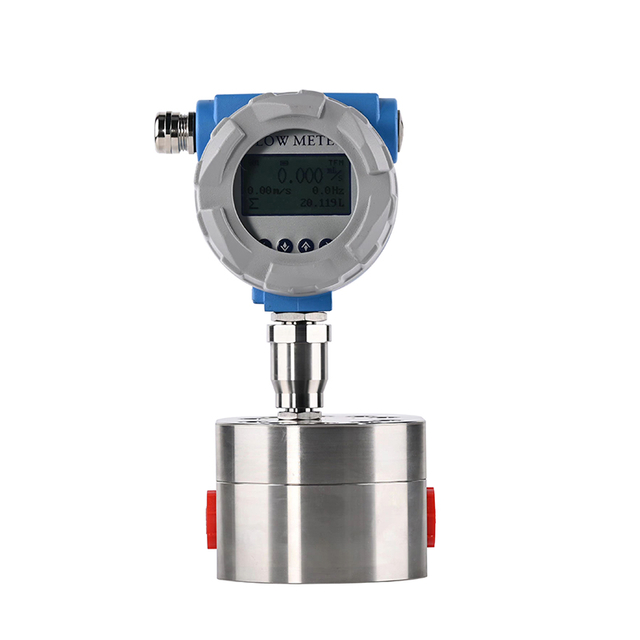
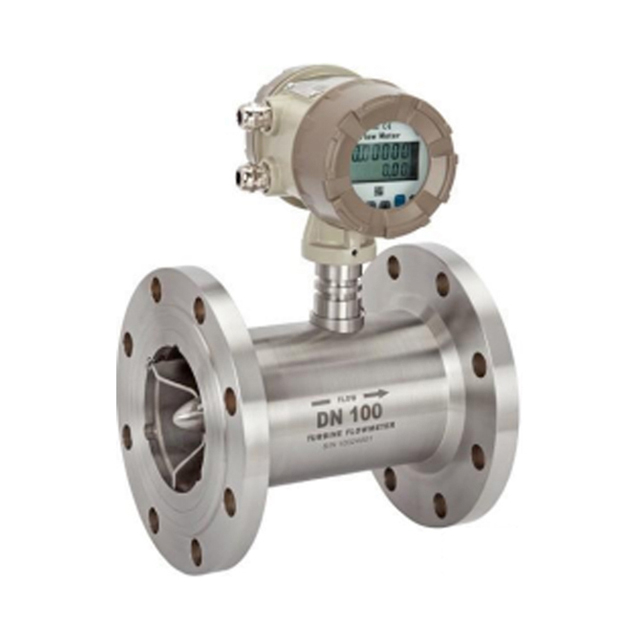
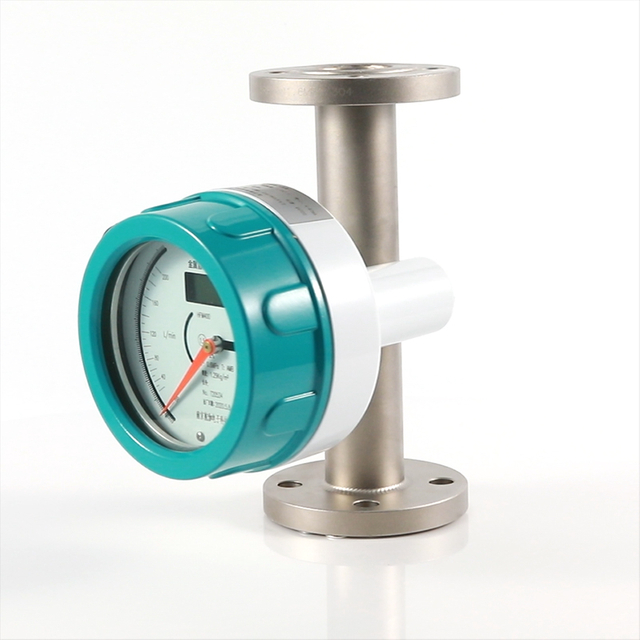
Optimize flow measurement accuracy with our Flow Meters. Designed for precision and reliability, our meters provide accurate readings of fluid flow rates in pipelines and channels. Whether you're monitoring water flow in irrigation systems or measuring chemical flow in manufacturing processes, our Flow Meters deliver consistent performance and actionable data for improved efficiency and resource management. Trust in our meters to meet your flow measurement needs with unparalleled accuracy and reliability.
Flow Meter
Accurate flow measurement is essential for process control, batch batching, energy accounting, and custody transfer. A failed flow meter can cause product waste, off‑spec batches, or undetected leaks.
Here you'll discover industrial flow meters for liquids, gases, and steam – from electromagnetic and vortex to turbine, gear, and variable area designs. On this page, we help you choose the right measuring principle, line size, and output signal so your flow data is reliable, repeatable, and maintenance‑friendly.
What Is a Flow Meter?
A flow meter is an instrument that measures the volumetric or mass flow rate of a fluid moving through a pipe or open channel. It converts the flow into an electrical signal (4‑20 mA, pulse, or digital) or a local readout.
Different applications call for different sensing technologies. The most common industrial flow meters fall into several categories:
Electromagnetic flow meters – measure the voltage induced when a conductive liquid moves through a magnetic field. No moving parts, no pressure drop, ideal for water, wastewater, slurries, and corrosive acids.
Turbine flow meters – use a free‑spinning rotor whose speed is proportional to flow. High accuracy, good repeatability, best for clean, low‑viscosity liquids (water, fuels, chemicals).
Vortex flow meters – detect the frequency of vortices shed by a bluff body. Suitable for liquids, gases, and steam, with no moving parts and wide turndown.
Gear (positive displacement) flow meters – measure the volume of fluid trapped between meshing gears. Extremely accurate for high‑viscosity and lubricating liquids (oils, fuels, syrups).
Variable area (rotameter) flow meters – a float rises in a tapered tube in proportion to flow. Simple, low‑cost, ideal for small lines and low flows, often used with gases or clean liquids.
Mass flow meters (Coriolis) – measure mass flow directly by sensing the Coriolis force. Highest accuracy, suitable for everything from gases to very viscous liquids, but more expensive.
Types of Flow Meters We Offer
Electromagnetic Flow Meter (HFM100)
The HFM100 works on Faraday’s law: a conductive fluid moving through a magnetic field induces a voltage proportional to velocity. It has no moving parts, no pressure drop, and is unaffected by density, viscosity, temperature, or pressure. The liner and electrode materials (PTFE, PU, 316L, Hastelloy, titanium) can be matched to aggressive media.
Best when you need:
Measurement of conductive liquids (≥20 µS/cm) – water, wastewater, acids, alkalis, slurries, pulp.
No obstruction, zero pressure loss, minimal straight pipe requirement.
Sizes from DN6 to DN3000, with integrated or remote converter.
Outputs: 4‑20 mA, pulse, RS485, HART. Explosion‑proof version available.
Turbine Flow Meter (HFM90 / HFM900)
A turbine flow meter uses a multi‑bladed rotor mounted in the flow stream. The fluid causes the rotor to spin at a speed proportional to the flow velocity. A magnetic pickup senses the passing blades and generates a pulse signal. The meter factor (k‑factor) is used to convert pulses to volume. It offers excellent repeatability and accuracy (±1% to ±0.5%).
Best when you need:
Clean, low‑viscosity liquids (water, diesel, gasoline, light oils, chemicals).
High accuracy and fast response for batching or custody transfer.
Compact, lightweight, easy to install and maintain.
Sizes from DN4 to DN200 (threaded or flanged). Optional 4‑20 mA or RS485 output.
Vortex Flow Meter (HFM200)
The HFM200 is based on the Kármán vortex street principle. A bluff body (triangular prism) placed in the flow generates alternating vortices downstream. The frequency of vortex shedding is directly proportional to flow velocity and is detected by a piezoelectric or capacitive sensor. It measures liquids, gases, and steam with no moving parts.
Best when you need:
One meter for both liquid, gas, and steam – especially for energy monitoring (steam, compressed air).
High temperature up to 350 °C and pressure up to 4 MPa.
Robust, all‑stainless steel construction, no moving parts.
Outputs: pulse (frequency), 4‑20 mA, RS485, HART.
Gear Flow Meter (Positive Displacement) – HFM650
The HFM650 uses a pair of precision‑machined gears. As fluid passes through the chamber, it rotates the gears, and each rotation displaces a fixed volume. The number of rotations is counted (via Hall effect or reed switch) and converted to total flow. It provides outstanding accuracy (±0.5% of reading) and repeatability (±0.1%), even at very low flows.
Best when you need:
High‑viscosity, lubricating liquids (hydraulic oil, diesel, lubricants, syrup, asphalt).
High accuracy and excellent repeatability for dosing or blending.
Wide viscosity range (5 mm²/s to 500 mm²/s) – can be customised for higher.
Sizes from DN2 to DN32, pressures up to 400 bar (custom), materials 304/316L.
Variable Area Flow Meter (Metal Tube Rotameter) – HFM400
The HFM400 is a classic rotameter: a float rises in a vertically tapered tube until the upward fluid force balances its weight. The float position is transmitted via magnetic coupling to a pointer or to a 4‑20 mA transmitter. It is all‑metal, suitable for high temperature and pressure, and works with liquids, gases, and steam.
Best when you need:
Low flow rates and small line sizes (DN15 to DN150).
Simple, reliable, no external power required for local indication.
High temperature (up to 350 °C) and pressure (up to 20 MPa).
Economical solution for secondary lines or bypass monitoring.
Mass Flow Meter (Coriolis) – see our dedicated product line
Although not detailed in this document, we also offer Coriolis mass flow meters for direct mass flow, density, and concentration measurement. Contact us for more information.
Quick comparison
| Technology | Model | Media | Range | Accuracy | Pressure drop | Best for |
|---|---|---|---|---|---|---|
| Electromagnetic | HFM100 | Conductive liquids (≥20 µS/cm) | DN6‑DN3000 | ±0.5% | None | Water, wastewater, slurries, acids |
| Turbine | HFM90/900 | Clean low‑viscosity liquids | DN4‑DN200 | ±1% (0.5% optional) | Low | Fuel, water, light chemicals, batching |
| Vortex | HFM200 | Liquid, gas, steam | DN15‑DN300 | ±1% (gas/steam), ±1.5% (liquid) | Low | Steam, compressed air, cryogenic fluids |
| Gear (PD) | HFM650 | High‑viscosity, lubricating liquids | DN2‑DN32 | ±0.5% of reading | Moderate | Oils, diesel, syrup, asphalt, dosing |
| Variable area | HFM400 | Liquid, gas, steam | DN15‑DN150 | ±1.5% (1.0% optional) | Medium | Low flows, small pipes, high temp/pressure |
Flow Meter Applications by Industry
Water & Wastewater
Treated water, raw water, sludge, and chemicals. Electromagnetic flow meters (HFM100) are the first choice because they have no moving parts, no pressure drop, and work well with dirty or conductive media. For clean water lines, turbine meters (HFM90) can be used.
Oil & Fuel / Hydraulics
Diesel, gasoline, lubricating oil, hydraulic oil. Gear flow meters (HFM650) provide the high accuracy needed for filling, blending, and engine test stands. Turbine meters are also used for fuel consumption measurement.
Steam & Energy Management
Boiler steam, condensate, and thermal oil. Vortex flow meters (HFM200) are ideal because they handle high temperatures and pressures, and they measure both saturated and superheated steam. Variable area meters (HFM400) can be used for small steam lines.
Chemical & Petrochemical
Acids, alkalis, solvents, and corrosive slurries. Electromagnetic meters with PTFE lining and tantalum electrodes (HFM100) resist attack. For low‑flow additive injection, gear meters (HFM650) or rotameters (HFM400) are suitable.
Food & Beverage
Syrups, edible oils, dairy, and brewing water. Gear meters (HFM650) handle viscous products accurately. For conductive liquids like fruit juice or brine, electromagnetic meters are hygienic with sanitary clamps. Turbine meters are used for water or thin beverages.
How to Choose the Right Flow Meter
Identify the fluid properties
Conductive liquid (≥20 µS/cm) – electromagnetic is usually the best choice (no moving parts, no pressure drop).
Clean, low‑viscosity liquid (water, fuel, light oil) – turbine or gear.
High‑viscosity or lubricating liquid (oil, syrup, asphalt) – gear (PD) meter.
Gas or steam – vortex or variable area.
Aggressive/corrosive – electromagnetic with suitable liner and electrodes, or all‑metal vortex with Hastelloy wetted parts.
Consider flow range and pipe size
Small lines (≤DN50) and low flows → gear, variable area, or small turbine.
Medium to large lines (≥DN50) and clean liquids → electromagnetic or turbine.
Lines with changing flow rates → vortex (wide turndown) or electromagnetic.
Accuracy and repeatability
Custody transfer or batching – gear (±0.5% of reading) or high‑precision turbine.
General process control – electromagnetic (±0.5% of rate) is sufficient.
Energy monitoring (steam, air) – vortex (±1% of rate).
Installation constraints
Minimal straight pipe length – electromagnetic and vortex are forgiving (5D upstream, 3D downstream).
Available power – variable area requires no power for local indication; others need 24 VDC or 220 VAC.
Pressure drop – electromagnetic and vortex have very low pressure drop; gear meters have moderate drop, variable area higher.
Output and connectivity
4‑20 mA for standard analog transmission.
Pulse/frequency for totalising or feeding into a counter.
RS485 / Modbus for digital networks.
HART for smart configuration and diagnostics.
Flow Meter FAQs
What is the difference between volumetric and mass flow measurement?
Volumetric flow meters (turbine, vortex, electromagnetic, gear) measure volume per unit time (m³/h, L/min). Mass flow meters (Coriolis) measure mass per unit time (kg/h), which is independent of temperature and pressure. If your process temperature or pressure changes significantly, mass flow is more accurate. For most liquid applications with stable density, volumetric flow is adequate.
Can I use a turbine flow meter for steam or gas?
No – turbine meters are designed for clean liquids. Steam and gas have much lower density and would not spin the rotor reliably. Use a vortex flow meter for steam, gas, and liquids.
How does a magnetic flow meter work?
It applies a magnetic field across a non‑conductive pipe section. When a conductive liquid flows, it induces a voltage proportional to flow velocity. Electrodes on the pipe wall pick up the voltage. The meter does not contact the fluid (only the liner and electrodes do), so it is ideal for corrosive or abrasive slurries.
What is a K‑factor in turbine meters?
The K‑factor is the number of pulses generated per unit volume (e.g., pulses per litre or per cubic meter). It is determined during factory calibration. You enter this value into the display or PLC to convert raw pulses into flow rate and total volume.
Which flow meter works best for high‑viscosity liquids (e.g., 500 cSt)?
Positive displacement (gear) flow meters are the best choice. They do not rely on creating a pressure drop across a small orifice; instead, they measure discrete volumes. Gear meters maintain high accuracy even at very low flow rates and high viscosities. Electromagnetic meters also work for conductive viscous liquids, but they require turbulent flow for accurate measurement.
Do I need a filter upstream of a flow meter?
Yes, for turbine and gear meters, a strainer or filter (mesh size 20‑60) is strongly recommended to prevent debris from damaging the rotor or gears. For electromagnetic and vortex meters, a filter is not necessary for the meter itself, but may be required for the process.
Why Choose Our Flow Meters?
We manufacture a full range of flow measurement technologies – from simple rotameters to advanced electromagnetic and vortex meters. Every meter is calibrated on our traceable flow rigs before delivery.
Broad Technology Portfolio
Electromagnetic – sizes DN6 to DN3000, many liner/electrode materials.
Turbine – DN4 to DN200, ±0.5% accuracy option, pulse/4‑20 mA/RS485.
Vortex – up to 350 °C, 4 MPa, explosion‑proof optional.
Gear (PD) – ±0.5% of reading, high viscosity, up to 400 bar.
Variable area – metal tube, no power needed, high temperature/pressure.
Built for Industrial Environments
All wetted parts in stainless steel 304/316L, titanium, Hastelloy, PTFE.
IP65 to IP68 protection, explosion‑proof versions (Ex d, Ex ia).
High temperature options (350 °C for vortex and rotameter).
Remote converters for harsh or hard‑to‑reach installations.
Easy to Specify & Commission
Clear ordering codes for size, liner, electrode, output, and power.
Calibration certificates with traceability.
Installation guides and straight‑pipe recommendations.
Fast Support & Customisation
Our engineers help you select the right flow technology based on your fluid, pipe size, flow range, and accuracy requirements. For large projects, we can supply complete metering skids with pressure and temperature compensation. Custom flanges, materials, and communication protocols are available for OEM orders.