Differential Pressure Transmitter Guide: Uses, Types & Models
Learn what a differential pressure transmitter is and how it works.
A differential pressure transmitter (DP transmitter) is a core industrial instrument that measures the pressure difference between two points in a system and converts it into a standard electrical signal (e.g., 4-20mA, HART) for monitoring and control. It features two pressure ports—one high-pressure side and one low-pressure side—capturing pressure variations to deliver precise, real-time data for process optimization.
At its core, the transmitter uses a high-sensitivity diaphragm sensor to detect pressure differences. The diaphragm deflects under varying pressures, and the signal is amplified, processed, and calibrated to a linear output. Advanced models include digital compensation for temperature drift and long-term stability, ensuring accuracy even in harsh environments with high vibration, corrosive media, or extreme temperatures.
Common applications span critical industrial sectors:
Flow Measurement: By pairing with orifice plates, venturi tubes, or pitot tubes, DP transmitters calculate fluid flow rates using the pressure drop across a restriction, widely used in oil & gas, chemical processing, and water treatment.
Filter Monitoring: They detect pressure differences across filters to identify clogging, enabling timely maintenance to prevent system downtime and ensure process efficiency.
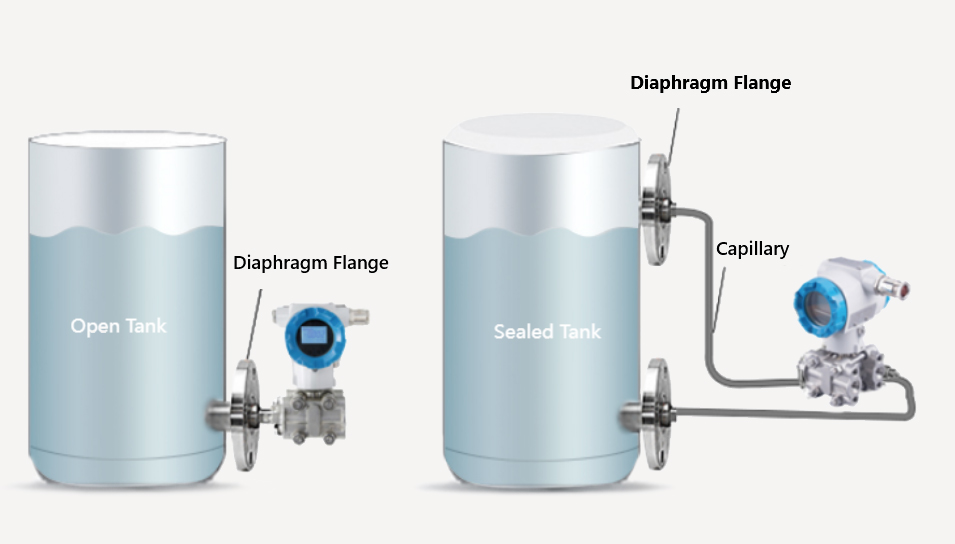
Level Measurement: In closed tanks, the transmitter measures the pressure difference between the tank’s top (gas pressure) and bottom (liquid pressure) to calculate liquid level, ideal for corrosive or high-temperature media.
HVAC Systems: DP transmitters monitor air flow, filter status, and duct pressure in heating, ventilation, and air conditioning systems, optimizing energy efficiency and indoor air quality.
Designed for reliability, DP transmitters support seamless integration with PLC, SCADA, and DCS systems. Whether for standard or customized setups, they enhance process safety, reduce operational costs, and improve overall efficiency across diverse industrial applications.
Product Center
A Differential Pressure Transmitter (DPT) is a crucial device used in various industrial applications to measure the difference in pressure between two points, typically utilizing a 4-20mA current loop output or HART protocol. It plays a vital role in monitoring and controlling processes, ensuring safety and efficiency.
We supply differential pressure transmitters in various sizes to meet diverse customer requirements.


Application Cases
Differential Pressure Transmitters (DPTs) has multiple advantages, including high-precision pressure difference measurement and a wide range of applications, such as level, flow and filter monitoring. They are durable and can operate stably in extreme environments, ensuring long-term reliability. Real-time monitoring capabilities enhance operational efficiency, promptly identify potential problems, reduce maintenance costs, and improve the overall system's security and economic benefits.

Oil and Gas Industry
Pipeline Leak Detection: Differential Pressure Transmitters are essential for detecting leaks in pipelines and storage tanks. By monitoring pressure differences, they help identify abnormal conditions, ensuring safety and reducing losses.

Chemical Industry
Process Control:DPTs provide accurate measurements of pressure differentials critical for maintaining optimal chemical processes and reactions.
It aids in detecting pressure anomalies that could lead to dangerous situations, enhancing overall plant safety.

Engineering and Automation
Automated Control Systems:DPTs are integral to automated control systems that adjust fan speeds and airflow based on real-time pressure readings. This enhances overall system performance and energy efficiency, leading to reduced operating costs.

Level Measurement
DPTs accurately measure the level of liquids in tanks by gauging the pressure difference between the liquid surface and a reference point. Accurate level detection prevents overflows and maintains operational efficiency.
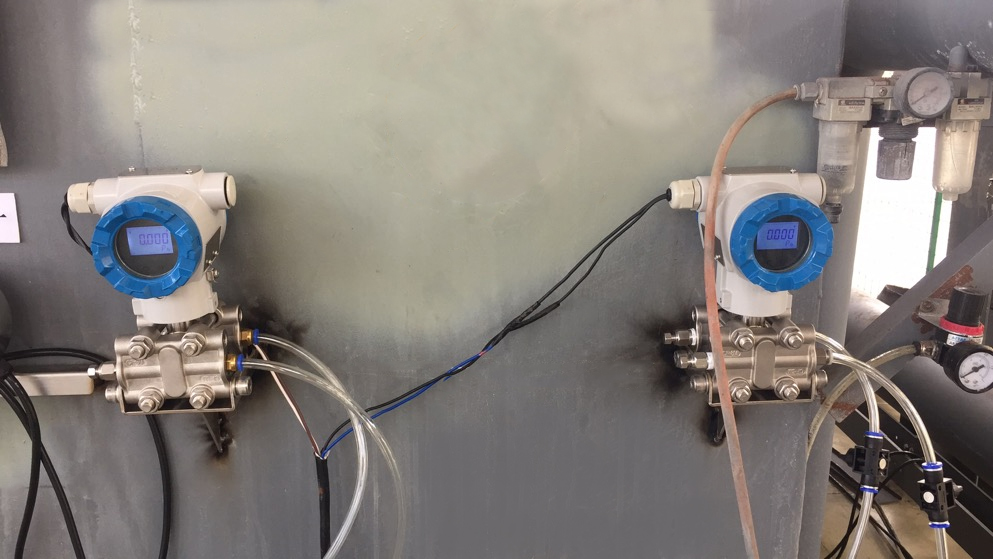
Differential Performance in Oil & Gas Industry
Differential Pressure Transmitters normally adopts monocrystalline sensor, the accuracy can up to +/-0.075% to +/- 0.2%. This significantly enhances operational efficiency and the accuracy of process control through precise pressure difference measurement. They can continuously monitor pressure changes in the automated system, promptly identify potential problems, reduce faults and maintenance costs, and ensure long-term reliable operation.
Differential Pressure Transmitter for Measuring Liquid Level
Differential pressure transmitters are widely used in various occasions, among which liquid level measurement is the most common application. Flange differential pressure transmitters can measure the liquid level of both open and closed tanks, which is crucial in multiple industries including water treatment and chemical manufacturing. By precisely monitoring the liquid level, these transmitters help prevent overflow and ensure the optimal operation of the equipment. Their sturdy design enables them to work effectively in harsh environments.

Differential Pressure Transducers for Explosion-Hazard Areas
Differential pressure transmitters are designed with safety in mind and can operate reliably in explosion-proof environments. CNEX, ATEX certificates are essential, which proves that they can be safely used in high-risk industries such as oil, gas and chemicals, ensuring safe operation and compliance with relevant industry standards.
Why Choose Us
10 Years Experience
With 10 years of experience, we have built a strong R&D team of industry experts and seasoned engineers. Our focus on research and development in transmitters. We got patent and many reliable certificates like SIL, CE, ATEX,etc, ensuring we maintain a competitive edge in the market.
Demand Customization
We offer OEM/ODM services to meet the unique needs of our clients. Our goal is to tailor products to align perfectly with customer requirements, ensuring personalized solutions that enhance satisfaction and drive success.
Professional Solutions
We have developed pressure transmitters and temperature sensors integrated with intelligent control systems, capable of remote monitoring, data logging, temperature adjustment, and other functions, meeting the needs of automation process.
Quality Control and Management System
We implement strict quality control processes and have obtained international quality management system certifications such as ISO9001, ensuring that every product meets high-standard quality requirements.
Related Certificate
ATEX, CNEX, ISO, CE, SIL, ROHS certificate for differential pressure transmitter.


FAQ
Q: What are the main applications of differential pressure transmitters?
A: Differential pressure transmitters are mainly used in industrial applications such as liquid level measurement, flow monitoring, filter status assessment and process control.
Q: How to choose the right differential pressure transmitter?
A: When making a selection, the measurement range, medium type, installation environment and the required output signal type should be taken into consideration.
Q: How to ensure the accuracy of differential pressure transmitters?
A: Regular calibration and maintenance are key to ensuring the performance and accuracy of the transmitter. It is recommended to operate in accordance with the manufacturer's instructions.
Keep in touch with us
Have questions about our Differential Pressure Transmitters or need a customized solution for your application? HJSensor is here to help! Our team of experts specializes in delivering high-precision pressure sensors for industries like oil and gas, manufacturing, and process control. Whether you’re seeking technical specifications, pricing, or tailored advice, we’re ready to assist.
Mob:+86-17551075580
Related Blogs
-
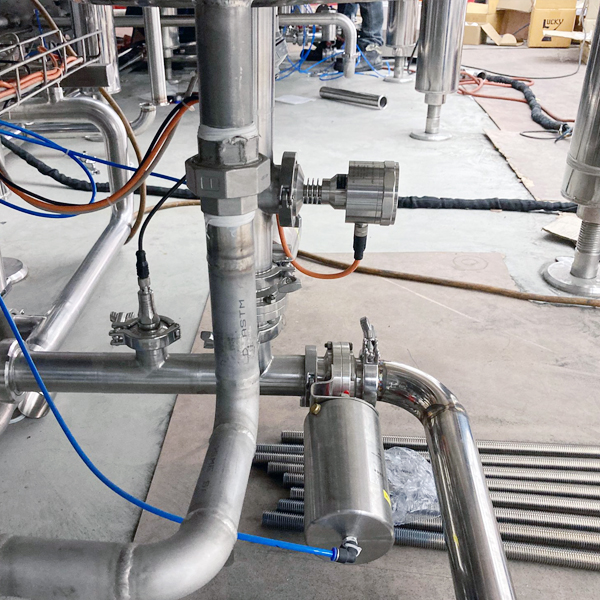 This guide provides step‑by‑step instructions for installing the HPM760 sanitary pressure transmitter, covering model selection, positioning, connection preparation, diaphragm handling, wiring, and commissioning. It highlights common mistakes such as touching the diaphragm or overtightening connections, and includes a real‑world application example in a dairy processing plant. Following these practices ensures accurate, hygienic, and reliable pressure measurement in food and pharmaceutical industries.Applications
 -
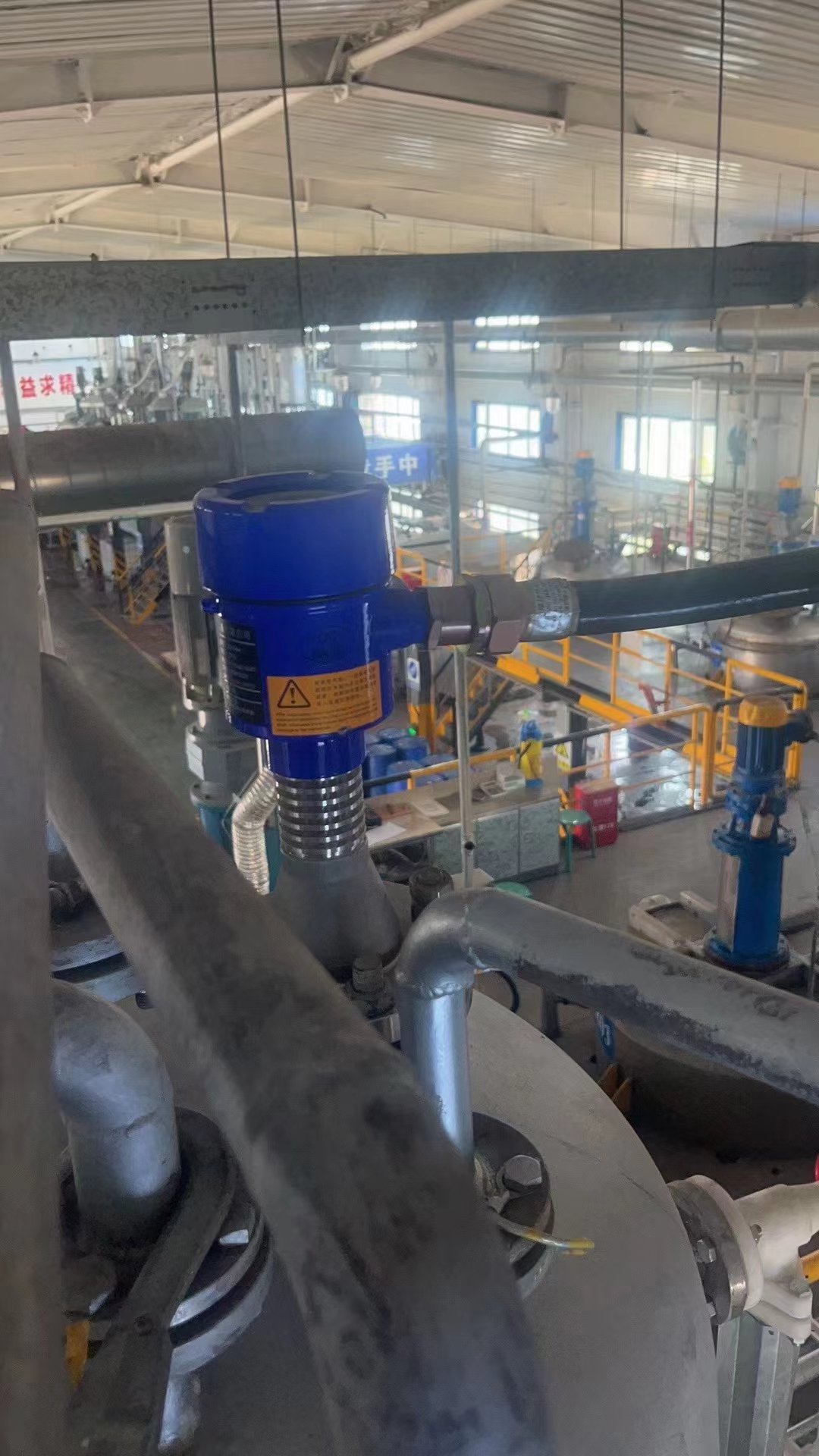 This guide provides step‑by‑step instructions for installing the HYM503 radar level meter, covering position selection, antenna choice, mounting orientation, wiring, configuration, and commissioning. It highlights common mistakes such as incorrect positioning or blocked signal paths, and includes a real‑world application example. Proper installation ensures accurate, stable level measurement in challenging industrial environments.Applications
 -
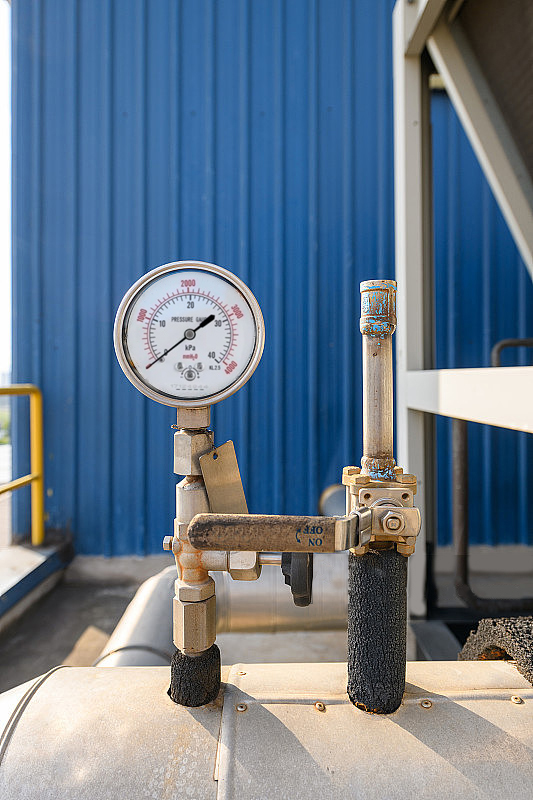 This guide covers the correct installation of the HPB stainless steel pressure gauge, including selection, preparation, tightening, and common mistakes to avoid. Proper installation ensures accurate readings and reliable long‑term performance.Applications
 -
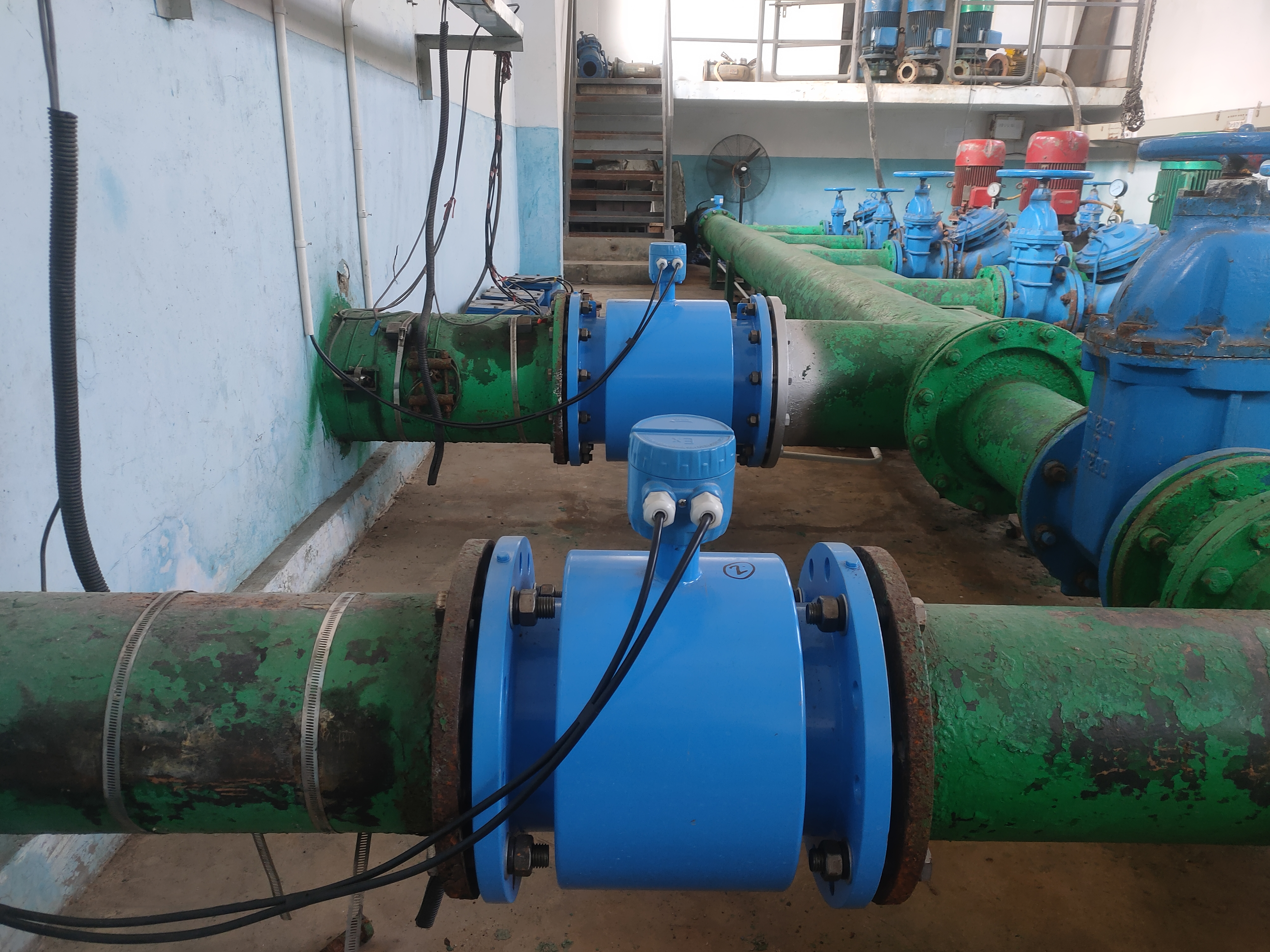 This guide provides step‑by‑step instructions for installing the HFM100 electromagnetic flow meter, covering site selection, mounting orientation, grounding, wiring, and commissioning. It highlights common mistakes such as improper electrode positioning or insufficient straight pipe runs, and includes a real‑world application example. Following these best practices ensures accurate, stable flow measurement and long‑term reliability in industrial applications.Applications
 -
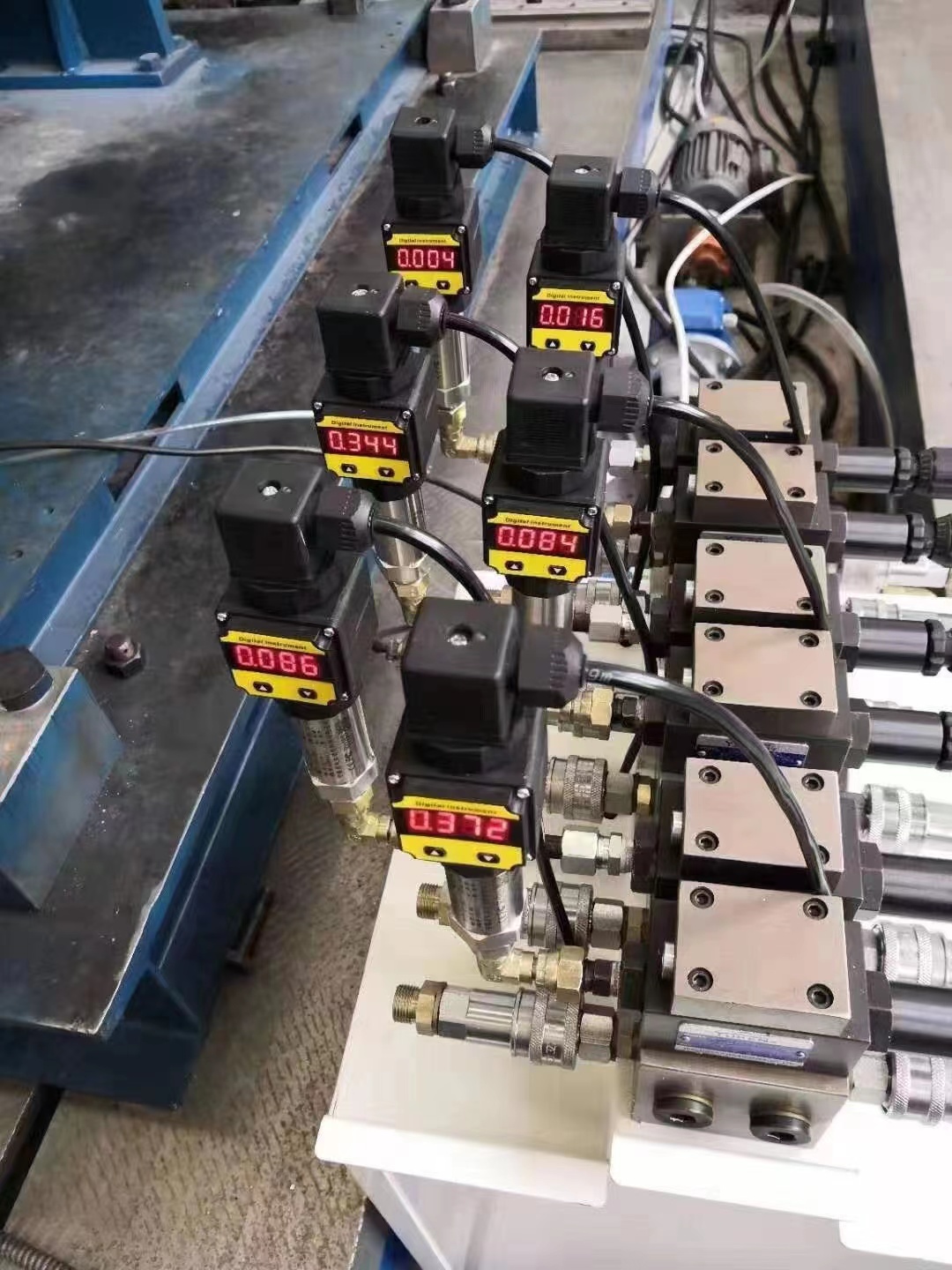 This guide provides a step-by-step approach to installing the HPM180 universal pressure transmitter, covering pre-installation checks, mounting, wiring, and commissioning. It highlights common mistakes such as using the housing for tightening or incorrect wiring, and includes a real-world installation example. Following these best practices ensures accurate, reliable pressure measurement and long-term stability in industrial applications.Applications
 -
 This guide explains how to install the HPM560 intelligent pressure switch, covering pre-installation checks, mounting, wiring, parameter setting, and commissioning. It highlights common mistakes such as incorrect wiring or improper orientation . Following these steps ensures reliable pressure monitoring and long-term performance in industrial systems.Applications