How Do You Know If Your Flow Switch Is Bad?
Views: 0 Author: Site Editor Publish Time: 2025-12-10 Origin: Site
Flow switches are critical components in industrial systems, ensuring the proper flow of liquids and gases. When these devices malfunction, they can lead to significant issues, including equipment damage, system inefficiency, or even dangerous conditions. It is important to know how to identify a faulty flow switch to prevent such problems and maintain safe operations. In this article, we will explore how to identify signs of a bad flow switch, diagnose the issue, and take corrective actions.
1. What is a Flow Switch?
Definition and Function of a Flow Switch
A flow switch is a device that detects the flow of liquids or gases within a system. It is an essential component in various applications, from water treatment plants to HVAC systems, where ensuring the correct flow of fluid is crucial. The flow switch is designed to trigger an alert, alarm, or safety protocol when the flow deviates from a pre-set threshold, either by being too low or too high.
The flow switch helps to maintain the correct operation of the system, preventing damage to the machinery and ensuring the safety of the environment. These devices are widely used in critical industries, including water treatment, chemical processing, food production, HVAC, and industrial cooling systems.
How It Works
A flow switch works by monitoring the flow rate of a liquid or gas moving through pipes or ducts. There are different types of flow switches, such as mechanical, thermal, and magnetic flow switches, each with its own mechanism for detecting flow changes. When the flow falls below or exceeds a pre-set threshold, the flow switch is activated and communicates with the control system to initiate the appropriate response.
2. Common Signs of a Bad Flow Switch
Identifying a malfunctioning flow switch can be challenging, but certain signs and symptoms can help indicate when your flow switch is not performing properly. Here are some common indicators of a bad flow switch:
2.1 Inconsistent or No Flow Detection
A flow switch may fail to detect the flow at all or provide inconsistent readings. This can occur if the sensor or mechanism inside the flow switch has malfunctioned or become damaged. If your system continues to function despite a disruption in flow, this is a clear indication that the flow switch is not working properly.
Symptoms:
The system continues to operate even if the flow is disrupted or reduced.
Inaccurate or fluctuating readings on the flow switch display.
Lack of a response from the control system when flow changes occur.
2.2 False Alarms or No Alarm Triggered
A malfunctioning flow switch may trigger false alarms, indicating an issue when there is none. Alternatively, it may fail to trigger an alarm during actual flow problems, such as a reduction or stoppage in flow. Both scenarios can cause significant problems, especially in safety-critical systems.
Symptoms:
Continuous alarm signals despite normal flow conditions.
No alarm or response when the system experiences a significant flow disruption.
Alarm occurs too frequently, without actual issues in flow.
2.3 Failure to Protect the System
In critical systems, the flow switch is responsible for initiating protective actions when abnormal flow conditions occur. This may include shutting down equipment or activating a backup system to prevent damage. If the flow switch is malfunctioning, it may fail to trigger these actions, putting the system at risk.
Symptoms:
The system does not shut down when flow drops below the safe threshold.
No protective action is taken when flow reaches dangerous levels.
Backup systems fail to activate despite inadequate flow conditions.
3. Causes of a Faulty Flow Switch
There are several reasons why a flow switch may stop working properly. Identifying the root cause of the malfunction is essential for determining the best course of action.
3.1 Mechanical Wear and Tear
Many flow switches rely on mechanical parts, such as paddles, vanes, or diaphragms, to detect flow. Over time, these parts can wear out due to constant use, resulting in inaccurate readings or failure to detect flow altogether. Mechanical wear can also be caused by prolonged exposure to harsh environments, such as high temperatures or corrosive substances.
Impact:
Reduced sensitivity and accuracy in detecting flow.
Increased wear and tear on moving components, leading to system failure.
3.2 Electrical or Sensor Failures
Flow switches rely on electrical components and sensors to detect changes in flow. Issues such as power surges, faulty wiring, or damaged sensors can cause the flow switch to malfunction. Electrical failures can lead to inaccurate readings, delayed responses, or complete failure to detect flow conditions.
Impact:
Incorrect flow readings.
Failure to send signals to the control system.
System errors or shutdowns due to faulty electrical components.
3.3 Improper Installation or Misalignment
If the flow switch is installed incorrectly, it may not detect flow accurately. Misalignment or improper placement of the switch can lead to poor performance, such as delayed response times or false alarms. Ensuring proper installation and alignment is crucial for the accurate functioning of a flow switch.
Impact:
False readings or delayed responses.
Reduced effectiveness in detecting changes in flow.
3.4 Environmental Factors
Extreme environmental conditions, such as high humidity, corrosive substances, or high temperatures, can degrade the components of a flow switch. Environmental factors can cause corrosion, material degradation, or mechanical failure in the switch, leading to operational issues.
Impact:
Accelerated wear and tear on the components.
Decreased lifespan of the flow switch.
Inaccurate readings due to environmental exposure.
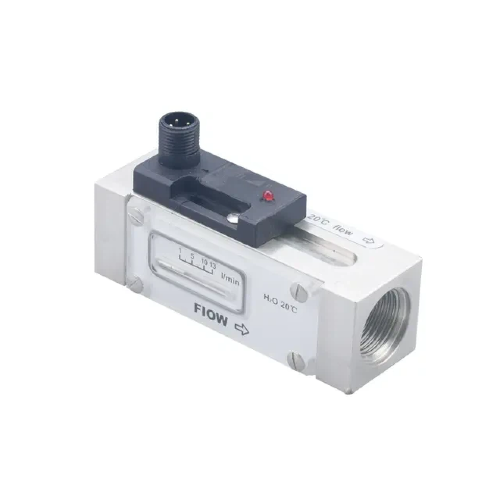
4. How to Diagnose a Bad Flow Switch
Diagnosing a faulty flow switch involves several steps to check for physical damage, electrical issues, and operational problems. Here’s a comprehensive guide on how to test a malfunctioning flow switch.
4.1 Visual Inspection
Start with a visual inspection of the flow switch. Look for any obvious signs of damage, such as cracks, rust, corrosion, or leaks. Check the wiring for loose connections or exposed wires that could cause electrical issues.
Checkpoints | What to Look For |
Physical Damage | Cracks, corrosion, rust on the switch housing |
Wiring and Connections | Loose wires, frayed cables, or exposed electrical components |
Seal and Housing | Any signs of leakage or wear in the seal or housing |
4.2 Check for Alarms and System Response
One of the simplest ways to diagnose a bad flow switch is by testing the system’s response to flow disruptions. Simulate a flow change by temporarily reducing or stopping the flow and observe the system’s reaction. A properly functioning flow switch should trigger an alarm or activate protective systems when flow is disrupted.
Action | Expected Response |
Simulate Flow Disruption | Alarm or system shutdown should occur if the flow deviates significantly |
Monitor for Delayed Response | If there is no response or a delayed response, the flow switch may be faulty |
4.3 Test the Flow Switch
Testing the flow switch with a multimeter or flow simulator can help verify its functionality. Check for electrical continuity or resistance across the switch’s terminals to ensure it’s operating correctly. Additionally, use a known flow source to verify that the switch reacts to changes in flow.
Test | What to Measure |
Continuity Test | Use a multimeter to check for electrical continuity. |
Flow Simulation | Test the switch under known flow conditions to check for proper activation. |
5. What to Do if Your Flow Switch is Malfunctioning?
Once you have diagnosed that your flow switch is malfunctioning, it is important to take corrective actions to prevent system damage and downtime.
5.1 Immediate Actions to Take
If you suspect that the flow switch is causing issues in your system, it’s important to take immediate action. Depending on the severity of the issue, you may need to shut down the system to avoid damage or hazards.
Step | Action |
Shut Down System | If the malfunction could cause damage, shut down the system immediately. |
Isolate the Issue | Identify whether the flow switch is indeed the cause of the issue by testing the system. |
5.2 Replacing the Flow Switch
If the flow switch is beyond repair or is severely worn out, replacing it is the best solution. Choose a replacement switch that matches the specifications of the original. Ensure that the replacement switch is rated for the flow conditions and environmental factors of the system.
Replacement Considerations | What to Keep in Mind |
Specifications | Ensure the new switch matches the required flow rate, pressure, and fluid type. |
Installation | Follow the manufacturer’s guidelines for proper installation. |
Calibration | Calibrate the new flow switch to ensure accurate flow detection. |
5.3 Regular Maintenance
To prevent future issues, implement a regular maintenance schedule for your flow switches. This should include visual inspections, testing, and calibration. Regular maintenance ensures that the switch remains in good working condition and helps identify any potential issues before they cause significant problems.
Maintenance Tasks | Frequency |
Visual Inspection | Monthly or quarterly |
Testing and Calibration | Annually or after replacement |
Cleaning and Lubrication | As needed, depending on conditions |
6. Conclusion
Flow switches are essential for the safe and efficient operation of industrial systems. Identifying signs of a malfunctioning flow switch, such as inconsistent flow detection, false alarms, and failure to activate safety protocols, is crucial to avoid system damage. Proper diagnosis involves inspecting the switch, testing its electrical components, and simulating flow disruptions to ensure the switch is functioning correctly.
A faulty flow switch can result in costly downtime and potential damage to equipment. Regular maintenance, along with timely replacement, is vital to keeping systems running smoothly and avoiding unexpected failures. It’s important to choose the right flow switch based on your system’s specific needs, and ensure proper installation and calibration for optimal performance.
At Nanjing Hangjia Electronic Technology Co., Ltd., we specialize in providing high-quality flow switches designed to meet the demands of various industrial applications. Our team is here to help you select the right flow switch for your system, ensuring long-term reliability and efficiency. For more information or to discuss your needs, feel free to contact us, and we will be happy to assist you.
7. FAQ
1. What is the most common cause of a malfunctioning flow switch?
The most common cause is mechanical wear and tear, particularly in components such as paddles or vanes that detect flow.
2. How can I test if my flow switch is bad?
You can test the flow switch by inspecting it visually, checking for electrical continuity, and simulating flow changes to see if the system reacts accordingly.
3. Can environmental factors affect a flow switch's performance?
Yes, extreme temperatures, humidity, and corrosive environments can degrade the materials and sensors inside a flow switch, causing malfunction.
4. How often should I replace my flow switch?
A flow switch should be replaced when it shows signs of wear, failure to detect flow, or when it no longer meets system requirements. Regular maintenance can help identify when replacement is needed.
5. How do I maintain my flow switch?
Perform regular visual inspections, test the system's response to flow changes, and calibrate the switch at least annually to ensure optimal performance.