How to Install a Universal Pressure Transmitter Correctly?
Views: 0 Author: Site Editor Publish Time: 2026-07-10 Origin: Site
How to Install a Universal Pressure Transmitter Correctly?
Universal pressure transmitters are widely used in industrial applications to measure liquid, gas, or steam pressure. But improper installation can lead to inaccurate readings, signal drift, or even permanent sensor damage. So, what is the correct way to install a universal pressure transmitter like the HPM180? This guide walks you through the key steps and best practices.
Why Choose the HPM180 Universal Pressure Transmitter?
The HPM180 uses a high‑precision diffused silicon pressure core with a built‑in signal conditioning circuit, converting pressure signals into standard 4‑20mA, 0‑5V, or 0‑10V outputs. Key features include:
Wide pressure range – gauge pressure from -100kPa up to 100MPa, absolute pressure from 0 to 60MPa
High accuracy – up to ±0.1% FS (customized)
Versatile output options – 4‑20mA, 4‑20mA+HART, 0‑5V, 0‑10V
Multiple process connections – M20×1.5, G1/2, and custom options
Wide temperature compensation – from -20°C to 85°C (depending on accuracy)
High protection grades – IP65 to IP68 available
Robust materials – 304 or 316L stainless steel, with various diaphragm options (316L, titanium, tantalum, Hastelloy C)

Step‑by‑Step Installation Guide
1. Pre‑Installation Checks
Verify the model – confirm that the pressure range, output signal, and process connection match your application.
Inspect the transmitter – check for any visible damage to the housing, thread, or electrical connector.
Confirm medium compatibility – ensure the wetted materials (diaphragm, O‑ring) are compatible with your media.
2. Select the Right Mounting Location
Vibration – avoid locations with excessive vibration. The HPM180 can withstand up to 10g vibration, but prolonged heavy vibration may affect accuracy.
Temperature – keep ambient and medium temperatures within the specified ranges. Ambient: -40°C to 85°C; Medium: -40°C to 125°C.
Accessibility – mount the transmitter where it is easy to access for maintenance and reading.
Orientation – for liquid media, install the transmitter below the tap point to keep the impulse line flooded. For gas media, install above the tap point.
3. Mechanical Installation
Thread connection – apply PTFE tape or thread sealant to the male thread, leaving the first two threads clean to prevent contamination entering the system.
Tightening – use a wrench on the hexagon flats of the pressure port, never on the housing. Tighten firmly but do not overtighten.
For CIP/SIP applications – ensure the diaphragm surface is not damaged during installation.
4. Electrical Connection
The HPM180 offers three wiring options. Refer to the ordering guide for your specific configuration:
2‑wire 4‑20mA – connect power and signal on the same loop. Power: Red (+V), Black (0V/+OUT).
3‑wire 0‑5V/0‑10V – separate power and signal lines. Power: Red (+V), Black (GND), Signal: Blue (+OUT).
Important – always disconnect power before wiring. Ensure the power supply voltage matches the transmitter requirements (e.g., 8‑30V for 4‑20mA).
5. System Commissioning
Slowly pressurise the system and monitor the output signal.
Verify the zero reading at atmospheric pressure.
Check the full‑scale reading against a reference standard.
For HART models, use a hand‑held communicator to adjust zero and span remotely.
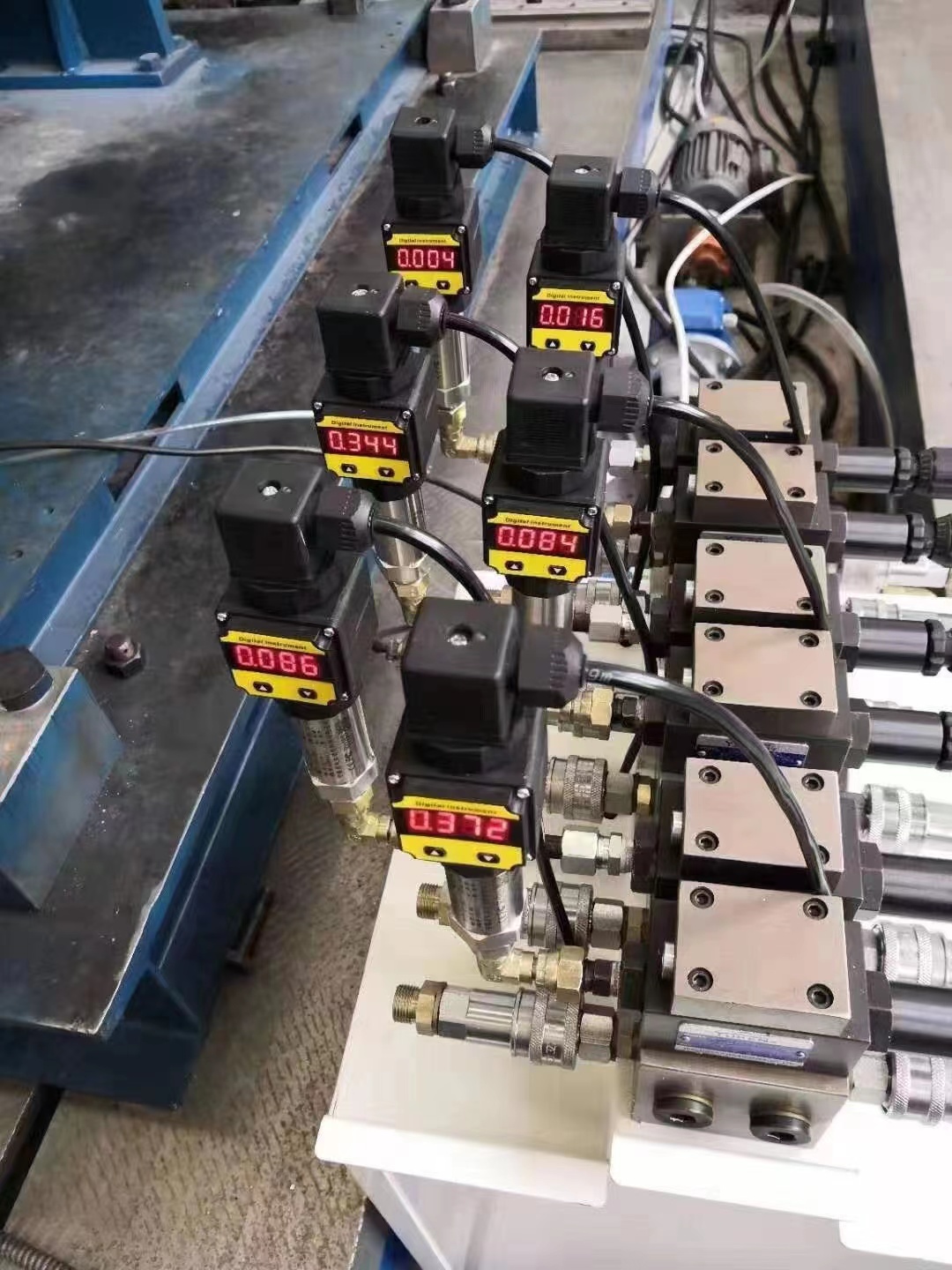
Common Mistakes to Avoid
Mistake | Consequence | Solution |
|---|---|---|
Using the housing to tighten the transmitter | Housing damage or internal misalignment | Always use the hexagon flats |
Overtightening the thread | Thread damage or diaphragm distortion | Tighten to recommended torque |
Mounting with cable entry upward | Moisture ingress damages electronics | Orient cable entry downward |
Incorrect wiring polarity | Damage to the internal circuit | Double‑check wiring before powering on |
No PTFE tape on threads | Leakage at connection point | Use proper thread sealant |
Ignoring temperature limits | Accuracy drift or sensor failure | Stay within specified temperature ranges |
Final Thoughts
Installing a universal pressure transmitter like the HPM180 is straightforward when you follow the correct procedures. Always verify your model, mount it properly, wire it correctly, and test thoroughly before putting it into service. If you need help selecting the right output signal, pressure range, or process connection for your application, contact us for free technical support.
Need a reliable universal pressure transmitter for your next project? Check the HPM180 specifications or request a quote today.