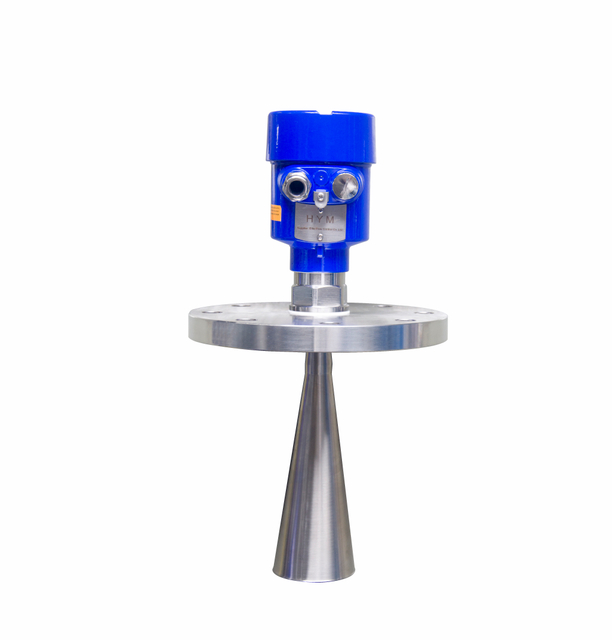
Why Choose Non-Contact Radar Level Meters for Accurate Liquid Measurement?
Views: 288 Author: Site Editor Publish Time: 2025-06-20 Origin: Site
Accurate and reliable liquid level measurement is crucial across many industries, from water management and chemical processing to oil and gas production. For environments where contact-based sensors fall short, the Radar Level Meter—especially non-contact types—has emerged as a game-changing technology. Utilizing high-frequency electromagnetic waves and advanced signal processing, non-contact radar level meters for liquid measurement offer unparalleled accuracy, safety, and durability. At Nanjing Hangjia Electronic Technology Co., Ltd., we are proud to deliver cutting-edge radar level solutions trusted by clients in over 100 countries.
What Is a Non-Contact Radar Level Meter and How Does It Work?
Non-contact radar level meters operate using Frequency-Modulated Continuous Wave (FMCW) radar technology, typically within the 76-81GHz frequency range. These devices emit high-frequency microwave signals toward the surface of a liquid. The time delay between transmission and the reflected signal is used to calculate the distance to the surface, determining the liquid level in real-time.
Unlike older mechanical or ultrasonic methods, non-contact radar sensors are immune to vapor, temperature changes, and pressure variations. The use of the 76-81GHz frequency band provides several advantages, including narrow beam angles for precise targeting, minimal interference, and suitability for small or complex tank geometries.
Additionally, modern industrial radar level meters come equipped with industry-standard communication protocols like 4-20mA HART and RS485, which enable seamless integration with existing process control systems. These interfaces allow remote configuration, diagnostics, and real-time monitoring—improving operational efficiency and decision-making.
Why Are Non-Contact Radar Level Meters Ideal for Liquid Measurement?
One of the standout advantages of non-contact radar level meters is their ability to operate without any physical contact with the liquid. This feature is especially important when measuring corrosive chemicals, toxic fluids, or sticky and viscous substances. Since the sensor is not exposed to the process medium, issues like sensor fouling, corrosion, and wear are eliminated, reducing maintenance needs and extending service life.
Radar level meters also deliver high-precision measurements even in dynamic environments. Whether the liquid is turbulent, boiling, or frothy, radar sensors can detect the level with excellent repeatability and accuracy. Their performance remains stable despite changes in dielectric constant, pressure, or temperature.
These capabilities make them ideal for diverse applications such as:
Petroleum and chemical storage tanks
Municipal water treatment
Food and beverage process vessels
Wastewater and environmental monitoring
By offering reliable, continuous level measurement, radar level meters contribute to safer operations, improved inventory control, and reduced environmental risks.
How Do Radar Level Meters Perform in Harsh Industrial Environments?
Industrial facilities are known for extreme operating conditions—high temperatures, aggressive chemicals, vibration, and dust. Radar level meters, especially those built for non-contact measurement, are designed to thrive in these challenging settings.
High-grade materials such as PTFE and stainless steel housings ensure resistance to corrosion, moisture, and mechanical stress. Most models carry IP67 or IP68 ingress protection ratings, making them suitable for outdoor or submerged installations.
Temperature compensation and advanced signal filtering technologies help radar level meters maintain performance even when exposed to high temperatures, pressure spikes, or foam buildup. Their resistance to vibration makes them ideal for applications such as mixers, agitators, or pumping stations.
For instance, in the oil and gas industry, radar sensors are often used to monitor crude oil levels in pressurized tanks, where temperature can exceed 100°C and vapor pressure is significant. Non-contact radar ensures safety and reliability, even where flammable atmospheres make contact-based sensors hazardous.
What Are the Key Features to Look for in an Industrial Radar Level Meter?
When selecting a radar level meter for industrial use, several key features should be considered to ensure optimal performance:
Frequency Range (76-81GHz): Higher frequency enables better focusing of the radar beam, reducing signal reflection from tank walls or internal structures. It also allows more accurate readings in narrow or tall tanks.
Signal Interfaces: Compatibility with 4-20mA, HART, or RS485 protocols is essential for integration with SCADA, PLCs, or DCS systems. These protocols offer real-time diagnostics, configuration, and data logging.
Measuring Range: A wide range of models is available with measuring distances from a few centimeters up to 120 meters. Choosing the right range ensures stable readings for both small process vessels and large storage tanks.
Sensitivity Adjustment: Advanced units allow dynamic sensitivity tuning to accommodate changes in dielectric constant or tank conditions, ensuring accurate readings across different process media.
These features not only enhance accuracy and flexibility but also reduce commissioning and maintenance times—saving cost and downtime for operators.
How Does Customization Enhance Radar Level Meter Applications?
While standard models suit many applications, industrial processes often require customizable radar level meters. Nanjing Hangjia offers tailored solutions to meet specific needs in both liquid and solid measurement scenarios.
For bulk materials, such as grain, powder, or cement, we provide radar level meters with specially designed antennas and dust-resistant configurations. These units can measure irregular or sloping surfaces with high accuracy, even through dense dust clouds.
Customized housings, process connections, and communication protocols allow adaptation to diverse installation environments—from narrow nozzles and confined tanks to open silos and outdoor reservoirs.
We also offer flexible firmware configurations, allowing customers to define echo thresholds, dead zones, and alarms based on their operational priorities. Our R&D team works directly with clients to deliver customer-driven solutions that enhance system compatibility and measurement reliability.
What Are the Benefits of Using a Radar Level Meter Over Traditional Measurement Methods?
Traditional level measurement technologies like float gauges, ultrasonic sensors, or hydrostatic pressure transmitters often fall short in modern industrial settings. Radar level meters offer several clear advantages:
Higher Accuracy: Radar waves are not affected by vapor, temperature, or foam—making them far more reliable in dynamic or extreme conditions.
Low Maintenance: With no moving parts or process contact, wear and clogging are virtually eliminated, leading to significantly reduced maintenance costs.
Versatility: One radar level meter model can be used for a wide range of media and tank designs, offering greater flexibility compared to specialized traditional devices.
Long-Term Value: Although initial costs may be higher, the long-term savings in service, downtime, and measurement accuracy deliver strong return on investment.
By switching to radar-based solutions, companies can streamline operations, improve safety, and gain better control over their inventory and processes.
Conclusion
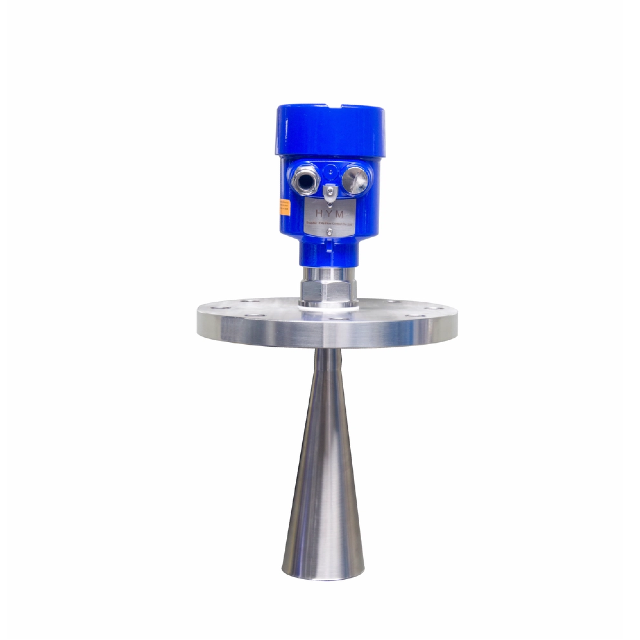
For industries seeking accurate, reliable, and maintenance-free liquid level monitoring, the Radar Level Meter is a superior choice. Its non-contact design, compatibility with modern control systems, and performance in challenging environments make it ideal for a wide range of applications. At Nanjing Hangjia Electronic Technology Co., Ltd., we combine technical innovation with customer-driven design to offer world-class radar measurement solutions tailored to your needs. Contact us today to learn more about how our radar level meters can improve your operations and help you achieve precise, cost-effective measurement.
Contact Us:
For product inquiries, technical support, or custom solutions, please visit our website or email us directly. Our team at Nanjing Hangjia is ready to assist you with your radar level measurement needs.