| Availability: | |
|---|---|
| Quantity: | |
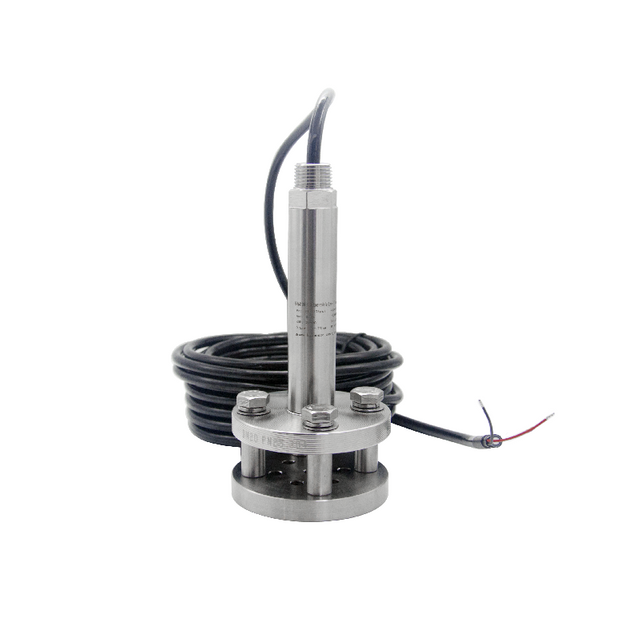
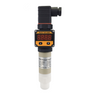
The HPM17 is an all-plastic corrosion-resistant pressure transmitter developed for pressure measurement where a conventional stainless-steel process connection may not be suitable. It combines a dry 96% Al₂O₃ ceramic sensing element with a selectable PVDF, PVC, PP or PTFE process port and an FKM or FFKM seal.
Gauge-pressure ranges extend from vacuum-related configurations to positive ranges up to 20 bar, while absolute-pressure configurations are available from 0–1 bar to 0–20 bar. Standard accuracy is ±0.5%FS, with ±0.2%FS available as an option for approved configurations.
Output choices include two-wire 4–20mA, 0–5V, 0–10V, 1–5V, 1–10V and Modbus RTU/RS485. Multiple process threads and a Hirschmann electrical connector allow the transmitter to be configured around the piping and control system.
Corrosion resistance depends on the complete wetted assembly. The process chemical, concentration, temperature, pressure, cleaning method, port material, ceramic element and elastomer seal must be reviewed together before the model is selected.
Tantalum diaphragm, titanium diaphragm, or ceramic core with excellent corrosion resistance
Resilient against shocks, vibrations, and abrasion
Various interfaces, output options, and outlet methods, enabling extensive applications
Well-suited for diverse and demanding environments
The 96% Al₂O₃ ceramic sensing element operates without internal pressure-transfer oil. This dry construction removes the fill-fluid compatibility question found in oil-filled isolation systems and provides a hard sensing surface for suitable chemical and water-treatment applications.
Ceramic is not chemically compatible with every medium and is not immune to impact. Compatibility, thermal shock, pressure pulsation and solids content still have to be evaluated for the actual process.
The plastic pressure interface reduces the number of exposed metal parts in the process path. This is useful where acids, alkalis, salts, disinfectants or other chemicals would attack a standard metal port.
The outside atmosphere must also be considered. Chemical vapor, washdown fluid and salt spray may contact the connector, cable or enclosure even when those parts are not directly wetted by the process.
PVDF, PVC, PP and PTFE port options allow the process connection to be selected around the chemical and operating temperature. These plastics have different mechanical strength, temperature capability, permeability and resistance to individual chemicals; they are not interchangeable by name alone.
FKM is available for many industrial chemical applications. FFKM can be selected when broader chemical or temperature resistance is required. The correct choice depends on the exact medium and exposure conditions rather than a general statement that one elastomer resists all chemicals.
Current, voltage and digital outputs are available for connection to PLCs, DCS systems, indicators, data loggers and remote I/O. The required output must be stated in the order because each version has its own wiring and power requirements.
Process connections include M20×1.5, G1/2, G3/4 and NPT3/4 options. The combination of thread, plastic material and pressure range must be checked as a complete mechanical configuration.
The HPM17 can be configured for pressure measurement in suitable applications including:
Chemical processing lines
Chemical storage and dosing systems
Environmental protection equipment
Industrial wastewater treatment
Water purification and disinfection systems
Acid and alkali handling equipment
Laboratory and pilot-process systems
Scrubbers and chemical exhaust treatment
Plating and surface-treatment processes
Compatible corrosive gas, liquid or steam systems
Use with a named acid, alkali, disinfectant, solvent, salt solution, corrosive gas or steam must be confirmed against the selected ceramic, plastic and elastomer materials. Corrosion-resistant construction is application-specific and does not establish compatibility with every chemical.

Pressure Range | -1…0~1…20bar(Gauge);0~1…20bar(Absolute) |
Overload | 1.5x of full scale |
Measuring medium | various liquid, gas or steam compatible with 304 or 316L stainless steel |
Output Signal | 4~20mA,voltage, Modbus-RTU/RS485 |
Accuracy | ±0.5%FS(standard); ±0.2%FS (option) Accuracy according to IEC 60770(nonlinearity, hysteresis, repeatability) |
Long-term Stability | ±0.4%FS/year |
Current resolution | ≤0.01% |
Response time | about 1ms |
Boot time | ≤3s |
Temperature Coefficient of Zero | ±0.05%FS/℃(Reference 25℃) |
Temperature Coefficient of Full Scale | ±0.02%FS/℃(Reference 25℃) |
Working Temperature | -10~85℃ |
No. Excessive torque can crack, deform or place long-term stress on a plastic port. Use the approved sealing method and torque, apply force only to the designated wrench area and support the mating pipe so that it does not load the transmitter.
The ceramic sensing surface has useful wear resistance, but slurry can block the pressure passage, abrade seals or strike the diaphragm. Particle size, concentration, flow velocity and cleaning method must be reviewed before it is selected for slurry service.
No. Two-wire current, three-wire voltage and RS485 configurations use different pins and electrical arrangements. Always follow the wiring diagram supplied with the ordered output version.
Possible causes include mounting-position effects, mechanical stress on the plastic port, trapped process pressure, temperature change, deposits on the ceramic surface or incorrect receiver scaling. Isolate the process safely and check these conditions before adjusting zero.
Not based on the standard specification alone. Oxygen service requires verified material compatibility, oxygen-clean manufacturing and documentation, suitable lubricants and seals, and a review of pressure and ignition risks. Request a specifically approved configuration before use.
Select Materials for Your Chemical Process
Send the chemical name, concentration, pressure, temperature, connection, seal and output requirements. HIGHJOIN will review the ceramic sensor and plastic wetted-material configuration for your process.
Material compatibility is confirmed for the complete wetted assembly.
The HPM17 is an all-plastic corrosion-resistant pressure transmitter developed for pressure measurement where a conventional stainless-steel process connection may not be suitable. It combines a dry 96% Al₂O₃ ceramic sensing element with a selectable PVDF, PVC, PP or PTFE process port and an FKM or FFKM seal.
Gauge-pressure ranges extend from vacuum-related configurations to positive ranges up to 20 bar, while absolute-pressure configurations are available from 0–1 bar to 0–20 bar. Standard accuracy is ±0.5%FS, with ±0.2%FS available as an option for approved configurations.
Output choices include two-wire 4–20mA, 0–5V, 0–10V, 1–5V, 1–10V and Modbus RTU/RS485. Multiple process threads and a Hirschmann electrical connector allow the transmitter to be configured around the piping and control system.
Corrosion resistance depends on the complete wetted assembly. The process chemical, concentration, temperature, pressure, cleaning method, port material, ceramic element and elastomer seal must be reviewed together before the model is selected.
Tantalum diaphragm, titanium diaphragm, or ceramic core with excellent corrosion resistance
Resilient against shocks, vibrations, and abrasion
Various interfaces, output options, and outlet methods, enabling extensive applications
Well-suited for diverse and demanding environments
The 96% Al₂O₃ ceramic sensing element operates without internal pressure-transfer oil. This dry construction removes the fill-fluid compatibility question found in oil-filled isolation systems and provides a hard sensing surface for suitable chemical and water-treatment applications.
Ceramic is not chemically compatible with every medium and is not immune to impact. Compatibility, thermal shock, pressure pulsation and solids content still have to be evaluated for the actual process.
The plastic pressure interface reduces the number of exposed metal parts in the process path. This is useful where acids, alkalis, salts, disinfectants or other chemicals would attack a standard metal port.
The outside atmosphere must also be considered. Chemical vapor, washdown fluid and salt spray may contact the connector, cable or enclosure even when those parts are not directly wetted by the process.
PVDF, PVC, PP and PTFE port options allow the process connection to be selected around the chemical and operating temperature. These plastics have different mechanical strength, temperature capability, permeability and resistance to individual chemicals; they are not interchangeable by name alone.
FKM is available for many industrial chemical applications. FFKM can be selected when broader chemical or temperature resistance is required. The correct choice depends on the exact medium and exposure conditions rather than a general statement that one elastomer resists all chemicals.
Current, voltage and digital outputs are available for connection to PLCs, DCS systems, indicators, data loggers and remote I/O. The required output must be stated in the order because each version has its own wiring and power requirements.
Process connections include M20×1.5, G1/2, G3/4 and NPT3/4 options. The combination of thread, plastic material and pressure range must be checked as a complete mechanical configuration.
The HPM17 can be configured for pressure measurement in suitable applications including:
Chemical processing lines
Chemical storage and dosing systems
Environmental protection equipment
Industrial wastewater treatment
Water purification and disinfection systems
Acid and alkali handling equipment
Laboratory and pilot-process systems
Scrubbers and chemical exhaust treatment
Plating and surface-treatment processes
Compatible corrosive gas, liquid or steam systems
Use with a named acid, alkali, disinfectant, solvent, salt solution, corrosive gas or steam must be confirmed against the selected ceramic, plastic and elastomer materials. Corrosion-resistant construction is application-specific and does not establish compatibility with every chemical.

Pressure Range | -1…0~1…20bar(Gauge);0~1…20bar(Absolute) |
Overload | 1.5x of full scale |
Measuring medium | various liquid, gas or steam compatible with 304 or 316L stainless steel |
Output Signal | 4~20mA,voltage, Modbus-RTU/RS485 |
Accuracy | ±0.5%FS(standard); ±0.2%FS (option) Accuracy according to IEC 60770(nonlinearity, hysteresis, repeatability) |
Long-term Stability | ±0.4%FS/year |
Current resolution | ≤0.01% |
Response time | about 1ms |
Boot time | ≤3s |
Temperature Coefficient of Zero | ±0.05%FS/℃(Reference 25℃) |
Temperature Coefficient of Full Scale | ±0.02%FS/℃(Reference 25℃) |
Working Temperature | -10~85℃ |
No. Excessive torque can crack, deform or place long-term stress on a plastic port. Use the approved sealing method and torque, apply force only to the designated wrench area and support the mating pipe so that it does not load the transmitter.
The ceramic sensing surface has useful wear resistance, but slurry can block the pressure passage, abrade seals or strike the diaphragm. Particle size, concentration, flow velocity and cleaning method must be reviewed before it is selected for slurry service.
No. Two-wire current, three-wire voltage and RS485 configurations use different pins and electrical arrangements. Always follow the wiring diagram supplied with the ordered output version.
Possible causes include mounting-position effects, mechanical stress on the plastic port, trapped process pressure, temperature change, deposits on the ceramic surface or incorrect receiver scaling. Isolate the process safely and check these conditions before adjusting zero.
Not based on the standard specification alone. Oxygen service requires verified material compatibility, oxygen-clean manufacturing and documentation, suitable lubricants and seals, and a review of pressure and ignition risks. Request a specifically approved configuration before use.
Select Materials for Your Chemical Process
Send the chemical name, concentration, pressure, temperature, connection, seal and output requirements. HIGHJOIN will review the ceramic sensor and plastic wetted-material configuration for your process.
Material compatibility is confirmed for the complete wetted assembly.