What Industries Benefit Most from Pressure Sensors?
Views: 218 Author: Site Editor Publish Time: 2025-08-23 Origin: Site
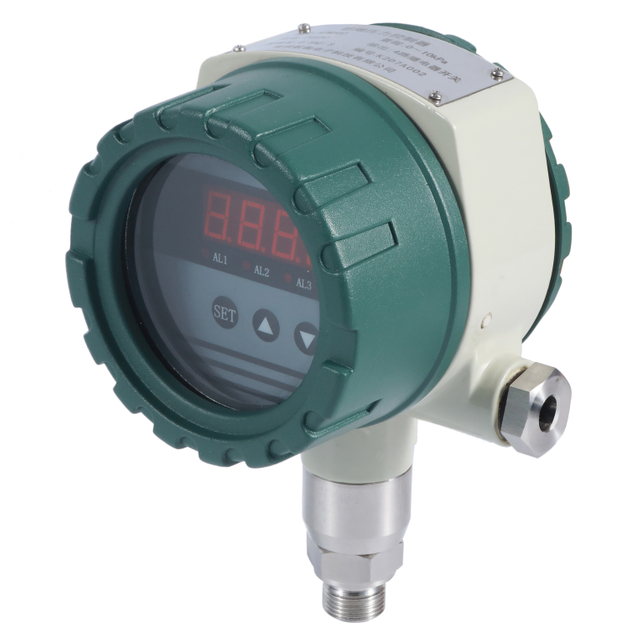
Pressure sensors are vital components in modern engineering, manufacturing, and process control. By converting physical pressure into measurable electrical signals, these devices enable industries to monitor, regulate, and optimize countless operations. From maintaining safety in high-pressure environments to enhancing efficiency in sensitive manufacturing processes, pressure sensors are indispensable. But which industries rely on them most heavily, and why? Let’s explore the sectors that benefit most from pressure sensors, examining their applications, advantages, and growing importance.
Understanding the Role of Pressure Sensors
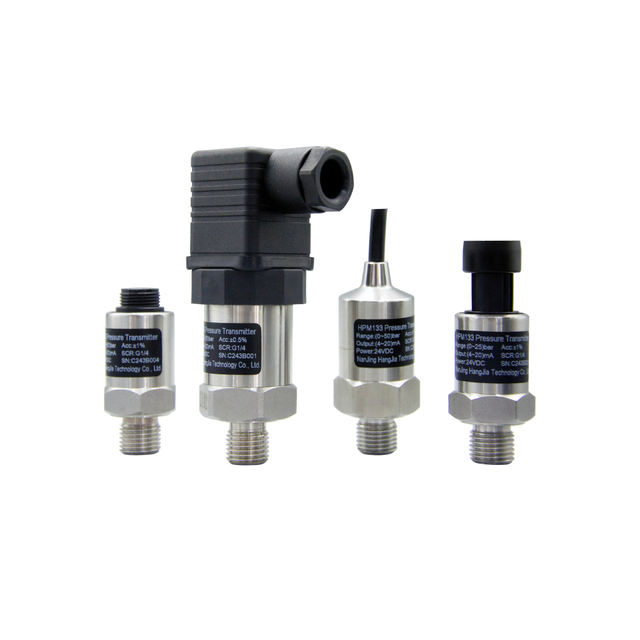
Before diving into specific industries, it’s essential to understand how pressure sensors function and why they are critical. A pressure sensor detects the force exerted by a fluid, gas, or liquid and converts it into an electrical output. This data can then be interpreted by control systems to make adjustments in real time. Modern pressure sensors are highly accurate, compact, and adaptable, making them valuable in environments ranging from sterile laboratories to rugged industrial plants.
The importance of pressure sensors lies not only in measurement but also in maintaining safety and compliance. For instance, in food processing or pharmaceutical production, pressure sensors prevent contamination risks by ensuring hygienic and controlled operations. In oil and gas, they protect equipment and workers by detecting dangerous pressure levels early. Across industries, their use translates into improved productivity, reduced downtime, and enhanced operational reliability.

The Food and Beverage Industry – Ensuring Hygienic and Safe Production
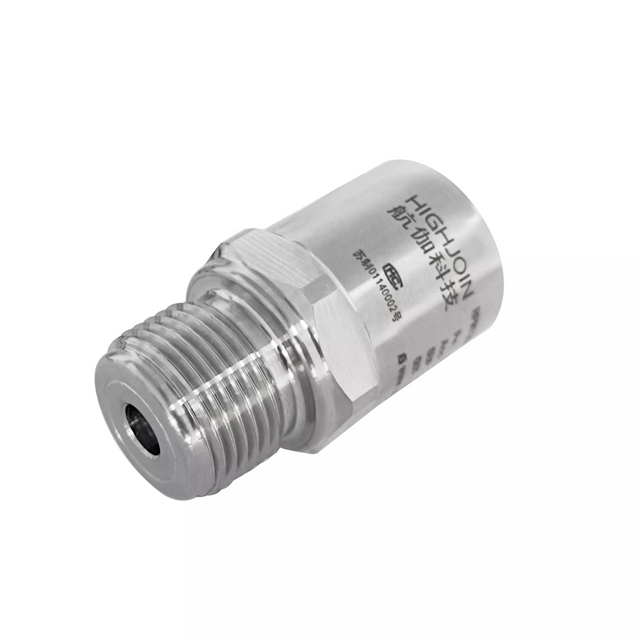
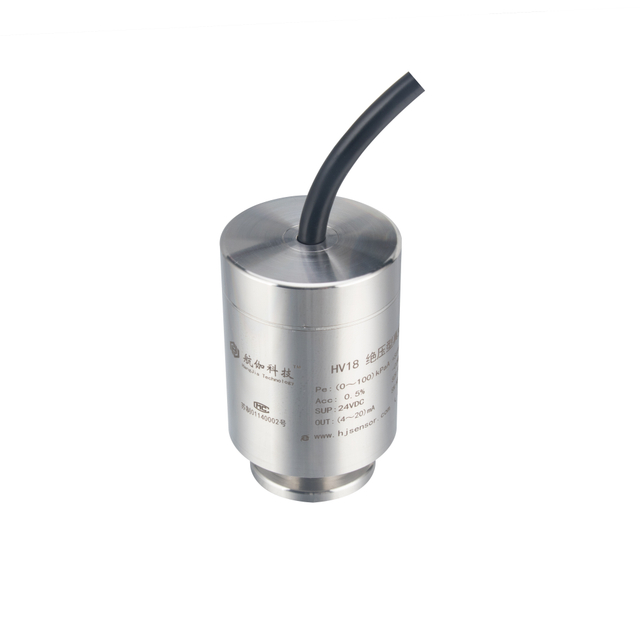
One of the industries where pressure sensors play a transformative role is the food and beverage sector. In this highly regulated field, hygiene and precision are critical. Pressure sensors are employed to monitor pipelines, mixing tanks, and sterilization processes. For example, flush-mount hygienic pressure transmitters are widely used in applications where cleanliness and sterilization must be maintained without any risk of residue accumulation.
In beverage production, pressure sensors maintain consistency in carbonation levels, ensuring every batch of soda or beer tastes the same. In dairy processing, they regulate pressure in pasteurization systems, preventing microbial contamination while safeguarding nutritional content. Pressure sensors are also essential in packaging lines, where they help maintain pressure integrity during sealing and bottling.
Furthermore, high-temperature pressure sensors ensure safe cooking, sterilization, and cleaning processes. By continuously monitoring pressure during steam sterilization, they help eliminate harmful microorganisms without compromising product quality. Without accurate pressure sensors, ensuring compliance with international food safety standards would be nearly impossible.
The Pharmaceutical and Biotechnology Industry – Precision at a Microscopic Level
In pharmaceutical and biotech industries, precision is non-negotiable. Pressure sensors are used in bioreactors, fermenters, and cleanroom environments where even the slightest variation in pressure could impact drug safety and efficacy. Sensors in these environments must be designed with hygienic, flush-mounted surfaces to avoid contamination.
For example, during vaccine production, pressure sensors regulate sterile air supply, ensuring that the growth medium remains uncontaminated. In intravenous solution manufacturing, pressure sensors control filling machines, guaranteeing that dosage volumes are precise and consistent. Additionally, the cleaning-in-place (CIP) and sterilization-in-place (SIP) processes rely on sensors to maintain pressure stability during high-temperature sterilization.
Beyond production, pharmaceutical packaging also benefits from pressure monitoring. Sterile blister packs, vials, and ampoules require precise vacuum and sealing processes that are guided by pressure sensor feedback. By ensuring compliance with Good Manufacturing Practices (GMP), pressure sensors help pharmaceutical companies maintain global safety standards while increasing production efficiency.
Oil, Gas, and Petrochemical Industries – Managing Extreme Pressures
Few industries deal with pressure-related challenges as intense as oil, gas, and petrochemicals. Pressure sensors in these sectors are critical for safety, environmental protection, and operational efficiency. Whether it’s monitoring downhole drilling operations, regulating refinery equipment, or ensuring the safe transport of liquefied gases, pressure sensors provide real-time data that prevents catastrophic failures.
In oil exploration, sensors detect pressure changes thousands of meters below the surface, helping engineers manage drilling mud circulation and prevent dangerous blowouts. In refineries, pressure sensors regulate distillation columns, pipelines, and storage tanks, ensuring that equipment runs within safe parameters. They are also indispensable in leak detection systems, where even the smallest deviation in pressure could indicate potential hazards.
Environmental regulations also drive demand for highly reliable pressure sensors in this industry. For example, emissions control systems in petrochemical plants use pressure sensors to maintain compliance with strict air and water pollution standards. With safety and sustainability at the forefront, pressure sensors are essential for minimizing risks while maximizing production output.
Automotive and Transportation – Driving Efficiency and Safety
In the automotive industry, pressure sensors have evolved into core components of vehicle safety and performance systems. They are used in tire pressure monitoring systems (TPMS), engine control units, and fuel systems. For instance, TPMS alerts drivers when tire pressure drops, preventing accidents and improving fuel efficiency.
Within engines, pressure sensors optimize combustion by monitoring intake manifold pressure, exhaust gas recirculation, and turbocharger boost pressure. This ensures vehicles comply with emission standards while delivering better performance. In braking systems, sensors detect hydraulic pressure levels, supporting advanced driver-assistance systems (ADAS) like electronic stability control and anti-lock braking.
Transportation sectors such as aviation and shipping also rely heavily on pressure sensors. In aircraft, cabin pressure sensors maintain safe and comfortable environments at high altitudes. In maritime shipping, pressure sensors regulate ballast systems, keeping vessels balanced and stable. By enhancing efficiency and safety, pressure sensors have become indispensable to modern mobility.
Water Treatment and Environmental Monitoring – Safeguarding Resources
Another critical sector where pressure sensors are indispensable is water treatment and environmental monitoring. Municipal water facilities use them to monitor pressure in pipelines, ensuring reliable distribution while preventing leaks and bursts. In wastewater treatment plants, sensors regulate pumps, filters, and membranes to maintain continuous and efficient operations.
In environmental monitoring, pressure sensors are employed in groundwater and atmospheric studies. By measuring pressure variations, researchers can track changes in aquifer levels, predict flooding risks, or monitor atmospheric patterns. In industrial wastewater applications, sensors help ensure compliance with discharge regulations by monitoring effluent systems.
High-temperature and corrosion-resistant pressure sensors are particularly valuable in this sector because they can withstand harsh chemicals and extreme conditions. Ultimately, pressure sensors play a vital role in ensuring safe water supplies and protecting ecosystems from pollution.

Comparing Industry Benefits of Pressure Sensors
To better understand how different industries benefit, the table below summarizes key applications and advantages of pressure sensors across major sectors:
| Industry | Key Applications | Primary Benefits |
|---|---|---|
| Food & Beverage | Pasteurization, sterilization, carbonation, packaging | Hygiene, safety, product consistency |
| Pharmaceutical & Biotech | Bioreactors, filling machines, CIP/SIP sterilization | Precision, contamination prevention, GMP compliance |
| Oil & Gas | Drilling, refineries, pipelines, leak detection | Safety, efficiency, environmental protection |
| Automotive & Transport | TPMS, engines, braking systems, aviation cabins, marine ballast | Safety, performance, emissions compliance |
| Water & Environment | Water pipelines, wastewater treatment, groundwater monitoring | Resource protection, efficiency, regulatory compliance |
Frequently Asked Questions (FAQ)
Q1: Why are pressure sensors important in hygienic industries like food and pharmaceuticals?
Pressure sensors ensure contamination-free processes by using flush-mounted designs that are easy to clean and sterilize. They also guarantee compliance with strict international safety standards.
Q2: How do pressure sensors improve safety in oil and gas operations?
By detecting early pressure changes in drilling or pipelines, sensors prevent accidents such as blowouts, leaks, or equipment failures. This not only safeguards workers but also minimizes environmental hazards.
Q3: Can pressure sensors withstand extreme temperatures?
Yes, modern pressure sensors are engineered to handle both very high and very low temperatures, making them suitable for sterilization processes, industrial furnaces, and cryogenic applications.
Q4: Are pressure sensors only used in large industries?
No. While widely used in industrial sectors, pressure sensors are also integrated into consumer products like home appliances, HVAC systems, and personal vehicles, demonstrating their broad relevance.
Conclusion
Pressure sensors are far more than measurement tools; they are guardians of safety, enablers of efficiency, and drivers of technological progress. Industries such as food and beverage, pharmaceuticals, oil and gas, automotive, and environmental management rely heavily on these devices to meet operational, regulatory, and safety standards. As technology advances, pressure sensors will continue to evolve—becoming smaller, more accurate, and more versatile—expanding their role in both industrial and everyday applications.