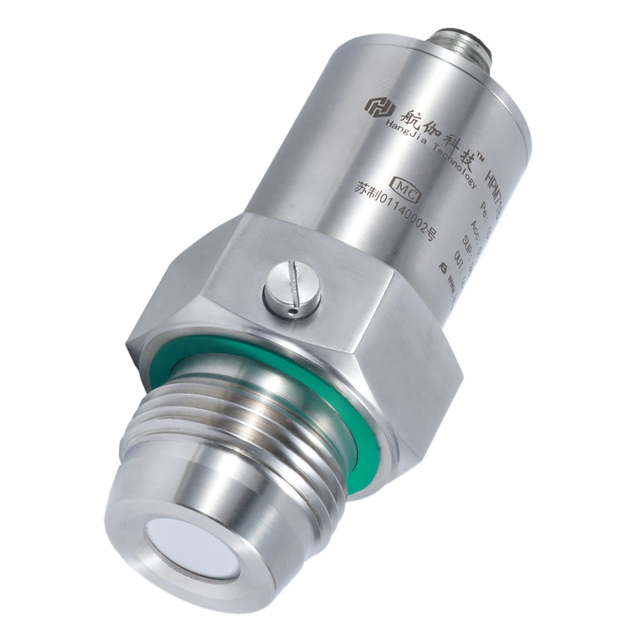
How Much Does an Industrial Pressure Transmitter Cost?
Views: 0 Author: Site Editor Publish Time: 2026-11-18 Origin: Site
Choosing the cheapest transmitter can lead to higher operating costs. So, how much does an industrial pressure transmitter really cost? The pressure transmitter price depends on accuracy, materials, pressure range, and additional functions. This guide explains key pricing factors, hidden expenses, and total ownership costs. You will also learn how to compare suppliers and choose the right model.
How Much Does an Industrial Pressure Transmitter Cost?
Typical Price Ranges for Industrial Pressure Transmitters
The industrial pressure transmitter cost varies according to product design and application requirements. Basic models usually have simpler configurations. Specialized models require more advanced components and manufacturing processes.
A standard transmitter may support common industrial pressure measurement. It often uses a conventional sensor structure and analog output. These configurations are suitable for many general-purpose applications.
Digital display and customized models require additional consideration. They may include local indication, special materials, or advanced communication functions. High-pressure and corrosive-media applications can also require specialized designs.
Therefore, buyers should avoid relying on one universal price range. A suitable budget depends on the actual operating conditions. It also depends on required performance and order quantity.
Pressure Transmitter Price Examples from Manufacturers
Published supplier listings provide useful purchasing references. However, listed sample prices do not represent every order configuration. Buyers should distinguish sample prices from confirmed production quotations.
The following examples illustrate differences between product configurations:
Product example | Published sample price | Main characteristics |
|---|---|---|
Wotian PCM303D | US$10/piece | 0.5% FS accuracy, 316L diaphragm, IP65 |
First Sensor FST800-3100 | US$53/piece | Digital display, strain gauge structure |
CHNTEK QTQ310 | US$40/piece | 0.5–250 MPa range, stainless steel, IP67 |
These prices reflect the listings checked for this article. They should not be treated as guaranteed transaction prices. Freight, taxes, accessories, and order specifications may change the final amount.
The examples also show why product specifications matter. Wotian emphasizes general industrial measurement and multiple output options. First Sensor offers a digital display configuration. CHNTEK focuses on a wide pressure range and customization.
Note: Always confirm the current price, minimum order quantity, and included accessories before purchasing.
Why Do Pressure Transmitter Prices Differ Between Suppliers?
Different suppliers may use different sensor cores and production methods. Their component sourcing and quality control processes may also vary. These differences can influence both product costs and measurement performance.
Manufacturer-direct purchasing may reduce certain distribution costs. However, buyers should also evaluate technical support and production consistency. A low quotation means little if the product cannot meet application requirements.
Order quantity is another important pricing factor. Larger orders may allow manufacturers to optimize production and purchasing costs. Small orders may involve additional setup or customization expenses.
A reliable comparison should use identical technical requirements. Buyers should request quotations based on the same measurement range, materials, accuracy, and output. This approach makes price differences easier to understand.
6 Key Factors That Affect Industrial Pressure Transmitter Prices
Measurement Accuracy and Sensor Performance
Accuracy is one of the most important pressure transmitter cost factors. Standard industrial applications may accept moderate accuracy requirements. Precision processes often require tighter measurement tolerances.
For example, Wotian lists a PCM303D transmitter with 0.5% FS accuracy. Its product information also specifies 0.1% FS hysteresis and repeatability. These values provide a reference for evaluating its stated performance.
Higher accuracy requirements may involve more demanding sensor selection. They can also require additional calibration and temperature compensation. These processes increase manufacturing and testing requirements.
However, higher accuracy does not always provide better purchasing value. Buyers should match accuracy to process requirements. Unnecessary precision may increase the equipment budget without improving production.
Tip: Confirm accuracy requirements using the actual measurement range and process tolerance.
Pressure Range and Measurement Requirements
The measurement range directly affects sensor selection. Different applications require different pressure capacities. Low-pressure measurement and high-pressure measurement may need different sensor structures.
For example, a process operating around 0–1 MPa needs a different configuration. A hydraulic system operating at 100 MPa has more demanding requirements. Its sensor and pressure-bearing components must withstand higher loads.
A wider measurement range does not automatically mean better performance. The selected range should reflect normal operating pressure. It should also account for possible pressure peaks and overload conditions.
Buyers should avoid selecting an unnecessarily large range. A poorly matched range can reduce useful measurement resolution. It may also increase the cost of the selected model.
Wetted Materials and Housing Construction
Material selection affects both product price and service life. The wetted parts contact the measured gas or liquid. Their material must remain compatible with the process medium.
Stainless steel is common in industrial pressure transmitters. SS316L may suit applications requiring stronger corrosion resistance. Other materials may be necessary for aggressive chemicals or special process conditions.
Housing materials also influence durability. Stainless steel housings can provide suitable mechanical protection. The required enclosure should match the installation environment.
For corrosive or viscous media, buyers should examine diaphragm design carefully. A flush diaphragm can reduce material accumulation. It may also help prevent blockages in demanding applications.
For example, the anti-corrosive flush diaphragm pressure transmitter uses a ceramic diaphragm structure. Its product information describes corrosion resistance and suitability for viscous media. This type of design may require different cost considerations from standard metal-diaphragm models.
Note: Confirm chemical compatibility before choosing diaphragm and housing materials.
Output Signals and Communication Options
Output signals determine how the transmitter communicates with control equipment. The selected signal must match the receiving system. Otherwise, additional conversion equipment may be necessary.
Common analog options include 4–20mA, 0–5V, and 0–10V. The 4–20mA signal is widely used in industrial control systems. It supports reliable signal transmission over suitable cable distances.
Some applications require digital communication. Options such as HART or Modbus may provide additional configuration and monitoring functions. These options can increase electronics and integration requirements.
Buyers should also consider wiring and power requirements. A three-wire voltage output may need a different connection arrangement. The control system must support the selected electrical interface.
Digital Display and Additional Functions
A digital display allows operators to read pressure locally. It can reduce dependence on separate monitoring equipment. This feature may improve convenience during inspection and maintenance.
However, display functions add electronic components. They may also require additional configuration and testing. These factors can influence the overall pressure transmitter pricing.
The First Sensor FST800-3100 provides one example. Its listing identifies a digital display pressure transmitter. The published sample price is US$53 per piece.
Buyers should consider where the transmitter will be installed. A display may be valuable when operators need local readings. Remote monitoring applications may not require this feature.
Tip: Purchase additional functions only when they solve a specific operating problem.
Protection Ratings, Certifications, and Customization
Protection ratings indicate resistance to environmental exposure. IP65 and IP67 represent different levels of enclosure protection. The correct selection depends on dust, moisture, and installation conditions.
Certifications may also affect manufacturing costs. Some projects require specific safety or industry approvals. Explosion-proof applications may involve additional design and testing requirements.
Customization creates further pricing differences. Special connectors, pressure ranges, materials, and output signals require engineering work. OEM branding and laser marking may also affect minimum order quantities.
The CHNTEK QTQ310 listing provides an example of customization options. It specifies IP67 protection and several analog output choices. Its stated measurement range extends from 0.5 MPa to 250 MPa.
Buyers should separate mandatory requirements from optional features. This prevents unnecessary specifications from increasing the budget.
How Do Different Industrial Pressure Transmitter Types Compare in Price?

Standard 4–20mA Pressure Transmitters
Standard 4–20mA transmitters are common in industrial measurement systems. They provide a straightforward connection to PLCs and control equipment. Their configurations are suitable for many general-purpose applications.
These transmitters often require fewer additional functions. Buyers can select the required pressure range and accuracy. They can also specify suitable process connections and materials.
Their main purchasing advantage is configuration simplicity. However, the lowest-priced model may not suit every process. Buyers should still evaluate sensor performance and environmental compatibility.
Digital Display Pressure Transmitters
Digital display transmitters provide local pressure readings. Operators can check measurements directly at the installation point. This function can simplify routine equipment inspections.
Their pricing may include additional electronic components. Display accuracy, adjustment functions, and enclosure design also matter. Buyers should compare these features before selecting a model.
A digital display is particularly useful for standalone equipment. It can also support maintenance in locations without convenient monitoring terminals. However, remote monitoring systems may already provide sufficient visibility.
High-Precision and High-Pressure Transmitters
High-precision transmitters serve processes requiring tighter measurement tolerances. They may need more advanced sensor elements and calibration procedures. These requirements can increase the product price.
High-pressure transmitters face different technical challenges. Their sensing elements and pressure-bearing structures must withstand demanding operating conditions. Material strength and overload protection become important selection factors.
Buyers should evaluate both requirements together. A high-pressure application does not always require maximum accuracy. The best configuration balances measurement performance, safety, and purchasing cost.
What Additional Costs Should Buyers Include in Their Budget?
Pressure Transmitter Installation Cost
The initial product quotation does not cover every installation expense. Buyers should consider mounting hardware, electrical wiring, and process connections. Labor costs may also affect the project budget.
Installation complexity depends on equipment location. Existing connections may simplify replacement work. New pipelines or difficult access points can require additional labor.
Some applications also need isolation valves or mounting accessories. These components should be included during budget planning. Otherwise, the actual project cost may exceed the original quotation.
Tip: Confirm installation dimensions and connection standards before placing an order.
Calibration and Commissioning Expenses
Calibration helps verify measurement performance against reference equipment. Initial commissioning may include range configuration and signal checks. These activities should follow the project's quality requirements.
Calibration expenses depend on accuracy requirements and procedures. Some projects require traceable calibration documentation. Others may only need routine functional verification.
Buyers should clarify whether calibration is included in the purchase price. They should also confirm whether certificates carry additional charges. This prevents unexpected expenses during delivery and commissioning.
Maintenance, Repair, and Replacement Costs
Pressure transmitters may require periodic inspection and recalibration. Harsh operating conditions can increase maintenance frequency. Corrosion, vibration, and pressure fluctuations may affect service life.
Repair costs depend on product structure and component availability. Some failures require sensor replacement. Others may involve electrical connections or display components.
Unplanned downtime can create larger financial losses. A failed transmitter may interrupt production or affect process control. Buyers should consider these risks when comparing suppliers.
How to Calculate the Total Cost of Ownership of a Pressure Transmitter
Initial Purchase Price vs. Long-Term Operating Expenses
The purchase price represents only the initial investment. Long-term expenses include installation, calibration, and maintenance. Repair and replacement costs should also enter the calculation.
A cheaper transmitter may require more frequent servicing. It may also perform poorly under unsuitable operating conditions. These problems can increase total ownership expenses.
A more expensive model may provide better material compatibility. It may also reduce maintenance needs in demanding applications. Buyers should compare expected operating costs over the same period.
Evaluate Service Life and Measurement Reliability
Material compatibility plays an important role in product durability. Incorrect materials may corrode or degrade during operation. This can lead to measurement errors or premature failure.
Environmental protection also affects reliability. Moisture, dust, and vibration can damage unsuitable equipment. Buyers should select protection levels according to actual site conditions.
Measurement stability matters for long-term process control. Frequent signal drift can increase calibration requirements. It may also affect product quality and operating efficiency.
For hygienic applications, diaphragm design deserves special attention. Flat diaphragms can support cleaning requirements. The HPM718 sanitary flat-film pressure transducer illustrates this approach. Its product information describes a ceramic sensor core and hygienic applications.
Estimate the Total Cost of Ownership
Buyers can use a simple formula to compare different products. It should cover the main expenses throughout the selected period.
TCO = P + I + C + M + R
Where:
P: Initial purchase price
I: Installation expenses
C: Calibration and commissioning costs
M: Maintenance expenses
R: Repair and replacement costs
Consider two hypothetical purchasing options. Model A costs US$80 initially. Model B costs US$120 initially. Their installation and maintenance expenses may differ.
If Model A requires frequent replacement, its long-term cost may become higher. Model B may provide better value through stable operation. These figures are illustrative and require project-specific verification.
A fair comparison should use the same evaluation period. Buyers should also include expected downtime where relevant. This makes the purchasing decision more commercially meaningful.
Tip: Compare total ownership costs over three to five years when suitable operating data is available.
How to Get an Accurate Industrial Pressure Transmitter Quotation
Prepare the Required Technical Specifications
A detailed specification helps manufacturers provide accurate quotations. Buyers should prepare the main operating parameters before contacting suppliers. Missing information can lead to incorrect product recommendations.
The following details should be included:
Measurement range and maximum operating pressure
Required accuracy and measurement stability
Gauge, absolute, or differential pressure
Measured medium and operating temperature
Wetted materials and diaphragm requirements
Output signal and power supply
Electrical and process connections
Environmental protection and certification requirements
Differential pressure applications need additional attention. Buyers should identify both pressure connections and the expected differential range. The HPM785 hygienic differential pressure transmitter provides an example. It supports 4–20mA, HART, and Modbus-RTU/RS485 options.
Compare Supplier Quotations Beyond Unit Price
A quotation should clearly identify the supplied configuration. Buyers should check whether accessories and calibration are included. They should also confirm packaging and delivery conditions.
Compare these commercial details:
Quotation item | What buyers should check |
|---|---|
Unit price | Price per piece and currency |
Minimum order | Minimum purchasing quantity |
Calibration | Included tests and certificates |
Customization | Additional engineering charges |
Delivery | Production lead time and freight |
Warranty | Coverage and after-sales support |
Buyers should also request product datasheets. These documents help verify technical specifications. They make supplier comparisons more objective.
Choose a Manufacturer That Matches Your Application
A suitable manufacturer should understand the intended application. Its product range should match the required pressure and material conditions. Technical support is equally important during product selection.
Buyers should examine manufacturing experience and quality procedures. They should also review available certifications and product documentation. These details help evaluate supplier reliability.
For repeat orders, production consistency deserves particular attention. Stable specifications can simplify equipment replacement. They can also reduce purchasing risks across multiple projects.
A supplier should explain any limitations clearly. Buyers need realistic delivery schedules and warranty conditions. Transparent communication helps establish a more reliable purchasing relationship.
Tip: Send the same technical specification to every shortlisted supplier. This makes quotation comparisons more accurate.
Conclusion
Industrial pressure transmitter prices depend on accuracy, materials, and configuration. Buyers should also consider installation and maintenance costs. Nanjing Hangjia Electronic Technology Co., Ltd. provides pressure measurement solutions designed for reliable performance, application compatibility, and long-term value.
FAQ
Q: How much does an industrial pressure transmitter cost?
A: The pressure transmitter price varies by specifications, quantity, and customization.
Q: What affects pressure transmitter pricing?
A: Accuracy, pressure range, materials, and output signals affect costs.
Q: Does installation increase the total cost?
A: Yes. Installation, calibration, and maintenance add expenses.
Q: Is a digital display transmitter more expensive?
A: Usually. Additional electronics increase its manufacturing cost.
Q: How can buyers reduce pressure transmitter costs?
A: Match specifications to actual needs and compare supplier quotations.