What Is A Pressure Sensor?
Views: 192 Author: Site Editor Publish Time: 2025-08-20 Origin: Site
Pressure plays a crucial role in countless industrial, medical, and everyday applications, and monitoring it accurately is essential for safety, efficiency, and performance. This is where pressure sensors come into the picture. But what exactly is a pressure sensor? How does it work, and why is it so important across multiple sectors? In this comprehensive guide, we’ll explore the definition, working principle, types, applications, benefits, and common questions related to pressure sensors. Whether you’re an engineer, a business decision-maker, or simply someone curious about modern technology, this article will provide you with a deep understanding of this vital device.
Understanding the Basics: What is a Pressure Sensor?
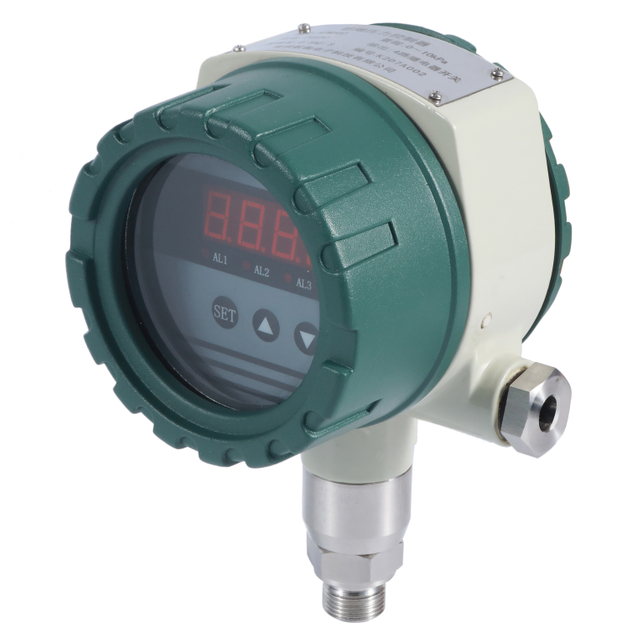
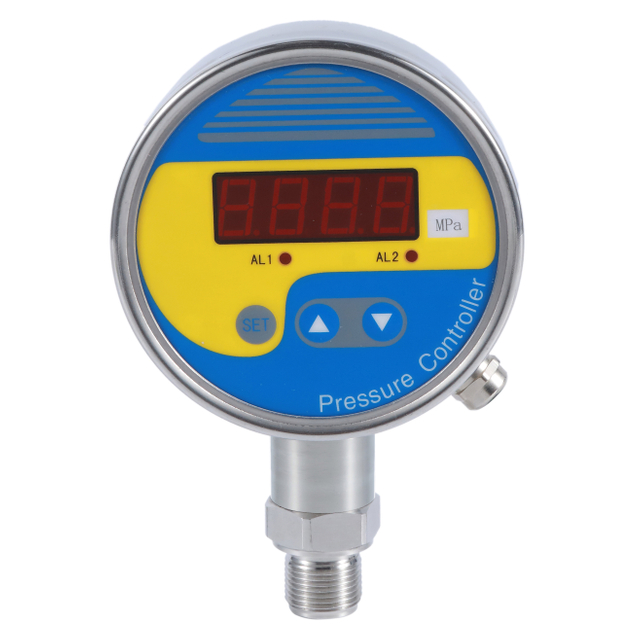
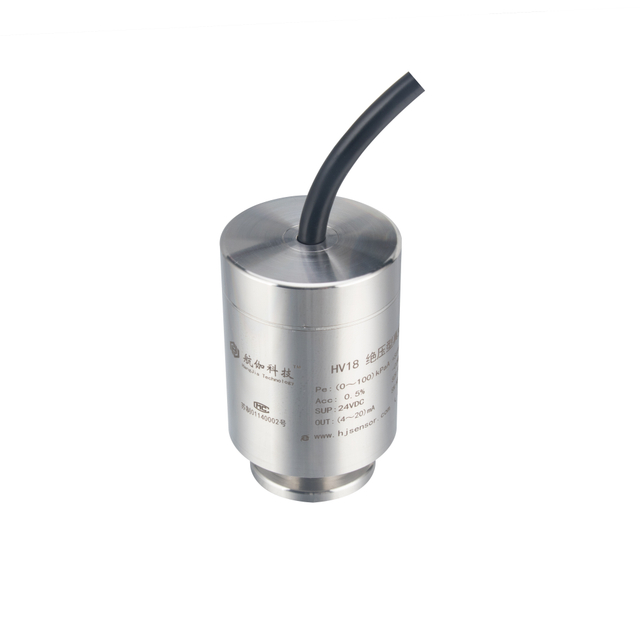
At its core, a pressure sensor is a device designed to measure the pressure of gases or liquids and convert it into an electrical signal that can be monitored, displayed, or recorded. Pressure itself is defined as the force applied per unit area, and measuring it accurately is crucial in a wide variety of environments, from pipelines in chemical plants to medical devices in hospitals.
Modern pressure sensors are built with precision in mind. They can operate under extreme conditions, such as high temperatures, aggressive chemicals, or hygienic environments where cleanliness is mandatory. For instance, specialized designs allow them to perform reliably in industries like food processing, pharmaceuticals, and biotechnology, where contamination control and accuracy are equally important.
To put it simply, pressure sensors act as the "eyes" of a system, constantly monitoring the pressure levels and ensuring that machinery, processes, or medical instruments operate within safe and optimal limits. Without these devices, industries would face challenges in maintaining quality, safety, and regulatory compliance.

How Do Pressure Sensors Work? The Science Behind Accurate Measurement
The working principle of a pressure sensor revolves around detecting force applied by a fluid (liquid or gas) and translating it into an electrical signal. Most sensors achieve this using diaphragms, strain gauges, or piezoelectric materials that deform slightly under pressure. This deformation changes resistance or generates voltage, which can then be measured and interpreted as pressure data.
In industrial settings, sensors are often connected to transmitters that provide stable, calibrated signals to control systems. This allows real-time monitoring and automation, minimizing human error and increasing operational safety. For example, in high-temperature processes, advanced pressure transmitters are designed to withstand extreme heat while still delivering precise data. Similarly, flush-mount hygienic designs are employed in industries where residue buildup must be avoided, such as in dairy or pharmaceutical manufacturing.
It’s also important to note that different sensors are designed to measure different types of pressure:
Absolute Pressure: Measured relative to a perfect vacuum.
Gauge Pressure: Measured relative to atmospheric pressure.
Differential Pressure: The difference between two pressure points.
Each of these measurements serves a distinct purpose, making pressure sensors versatile tools that can adapt to unique operational requirements.
Types of Pressure Sensors and Their Applications
Pressure sensors come in multiple types, each suited for specific applications. Below is a table summarizing the most common types and where they are typically used:
| Type of Pressure Sensor | Description | Applications |
|---|---|---|
| Strain Gauge Sensors | Use strain gauges to measure deformation under pressure | Industrial automation, hydraulics |
| Capacitive Sensors | Measure changes in capacitance due to diaphragm movement | Medical equipment, HVAC systems |
| Piezoelectric Sensors | Generate voltage when pressure is applied | Engine monitoring, aerospace |
| Optical Sensors | Use light properties to measure pressure | Harsh or explosive environments |
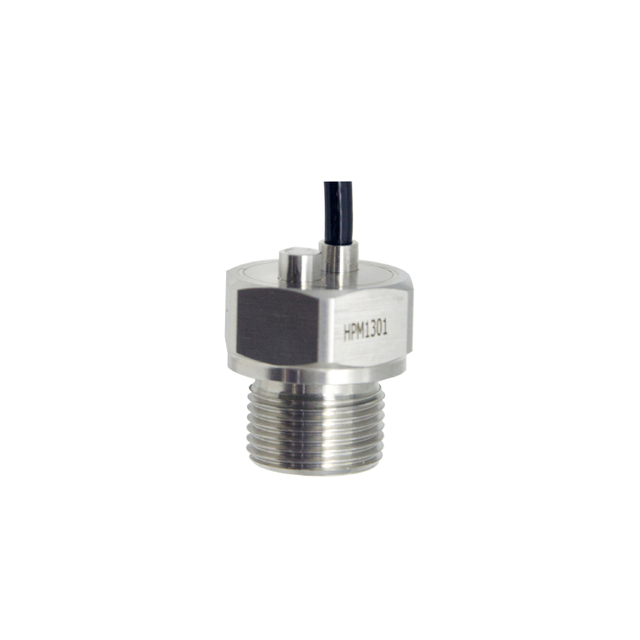
| Flush-Mount Hygienic Sensors | Designed for easy cleaning, with no cavities for residue buildup | Food, dairy, and pharmaceutical industries |
This classification illustrates that the right pressure sensor must be selected based on both the environment and the specific measurement requirement. For instance, a flush-mount hygienic pressure sensor is indispensable in hygienic applications where even microscopic contamination could compromise safety. On the other hand, piezoelectric sensors are the go-to choice for dynamic measurements, such as monitoring pressure spikes in engines.
Why Are Pressure Sensors Important in Modern Industries?
The significance of pressure sensors extends far beyond just measuring pressure. They are integral to automation, safety, quality control, and innovation. In industries such as oil and gas, pressure monitoring prevents dangerous leaks and equipment failures. In the medical field, pressure sensors enable critical devices such as ventilators and blood pressure monitors to function with life-saving accuracy.
One of the most prominent roles of pressure sensors today is in hygienic and high-temperature environments. Consider food and beverage manufacturing: products must be processed under strict sanitary conditions, and even slight deviations in pressure can affect quality, texture, and safety. Hygienic pressure sensors with flush-mount designs prevent residue accumulation, making cleaning easier and ensuring compliance with stringent regulations.
Similarly, in the pharmaceutical sector, accurate pressure measurement ensures consistency in drug formulation and prevents contamination during production. Without reliable sensors, maintaining compliance with international safety standards would be nearly impossible.
Thus, pressure sensors are more than just technical devices; they are guardians of safety, quality, and efficiency across critical global industries.

Key Benefits of Using Pressure Sensors
Organizations invest heavily in pressure sensors because of the wide array of benefits they provide. Here are some of the most notable advantages:
High Accuracy – Advanced sensors ensure precise measurements, reducing costly errors.
Enhanced Safety – Real-time monitoring prevents accidents by detecting abnormal pressure levels.
Process Efficiency – Automated pressure control leads to optimized performance and reduced downtime.
Compliance with Standards – Hygienic and certified designs help industries meet regulatory requirements.
Versatility – Sensors can function in extreme conditions, including high temperature, corrosive environments, and sterile applications.
These benefits highlight why industries continue to rely on modern pressure sensors as essential components of their operations. By combining accuracy with durability, sensors not only meet today’s demands but also pave the way for future innovations in automation and control.
Frequently Asked Questions (FAQ) About Pressure Sensors
Q1: What is the difference between a pressure sensor and a pressure transmitter?
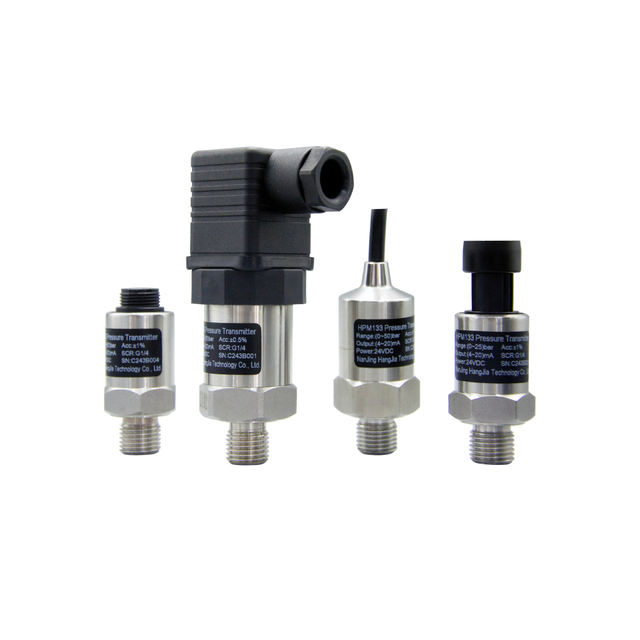
A pressure sensor detects and converts pressure into an electrical signal, while a pressure transmitter amplifies and calibrates that signal for further processing by control systems.
Q2: Can pressure sensors handle high temperatures?
Yes, certain designs are built specifically for high-temperature environments. These sensors use robust materials and protective structures to maintain accuracy under extreme heat.
Q3: Why are hygienic pressure sensors necessary in food and pharmaceutical industries?
Hygienic sensors prevent residue accumulation and contamination, ensuring products remain safe, clean, and compliant with health regulations.
Q4: How do I choose the right type of pressure sensor?
Selection depends on your application. Consider factors such as measurement type (absolute, gauge, or differential), environmental conditions, and regulatory requirements.
Q5: What industries benefit most from pressure sensors?
Nearly every industry uses them, but they are especially critical in food and beverage, pharmaceuticals, oil and gas, aerospace, automotive, and healthcare sectors.
Conclusion
In today’s technology-driven world, pressure sensors are indispensable tools that enable industries to monitor, control, and optimize their processes. From ensuring food safety to supporting life-saving medical devices, their role cannot be overstated. As industries continue to embrace automation and stricter safety standards, the demand for advanced designs—such as hygienic flush-mount and high-temperature pressure sensors—will only grow.
By understanding what a pressure sensor is, how it works, and why it is so vital, businesses and individuals can make informed decisions when selecting the right technology for their needs. Ultimately, pressure sensors are not just about measuring force; they are about ensuring safety, efficiency, and reliability in a rapidly evolving world.