Flush Diaphragm vs Tri‑Clamp Sanitary Pressure Transmitter: Which Should You Choose?
Views: 0 Author: Site Editor Publish Time: 2026-04-23 Origin: Site
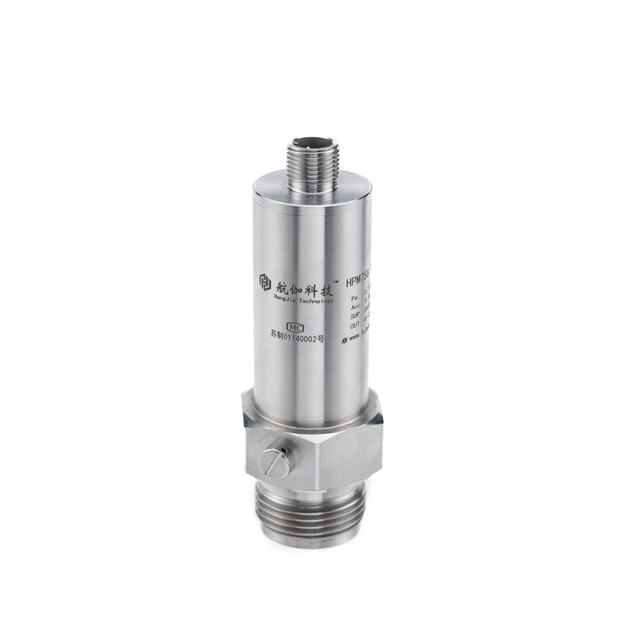
The Sanitary Pressure Transmitter is one of the most critical devices in hygienic industries such as food & beverage processing, pharmaceuticals, biotechnology, dairy manufacturing, and other sensitive applications. Its role is to convert physical pressure into an electrical signal that can be monitored and controlled, ensuring processes run safely and efficiently. What sets sanitary devices apart from standard pressure sensors is their design focus on cleanliness, sterilization, and performance in environments where contamination risks are unacceptable.
When selecting a Sanitary Pressure Transmitter, two of the most commonly discussed configurations are the Flush Diaphragm Sanitary Pressure Transmitter and the Tri‑Clamp Sanitary Pressure Transmitter. While both serve similar functions, they have distinct characteristics that make each more suitable for particular applications.
In this in‑depth guide, we will explore the differences, benefits, limitations, and real‑world considerations used by industry professionals to choose the best type for their needs.
What Is a Sanitary Pressure Transmitter?
A Sanitary Pressure Transmitter is a specialized pressure sensor designed for use in hygienic processing environments. Unlike general industrial transmitters, sanitary transmitters are constructed to eliminate dead spaces, crevices, and cavities where bacteria or contaminants could accumulate. These transmitters typically feature:
Electropolished stainless steel construction
Smooth surfaces with minimal crevices
Hygienic seals and diaphragms
CIP (Clean‑In‑Place) and SIP (Sterilize‑In‑Place) compatibility
Sanitary pressure transmitters are essential for ensuring process integrity while complying with hygiene standards and regulations in industries where contamination cannot be tolerated.
Types of Sanitary Pressure Transmitters
Sanitary pressure transmitters are broadly categorized by their connection and sensing interface. The two most relevant for hygienic systems are:
Flush Diaphragm Sanitary Pressure Transmitter
Tri‑Clamp Sanitary Pressure Transmitter
Each type has unique design traits and performance characteristics that influence where and how they are best used.
What Is a Flush Diaphragm Sanitary Pressure Transmitter?
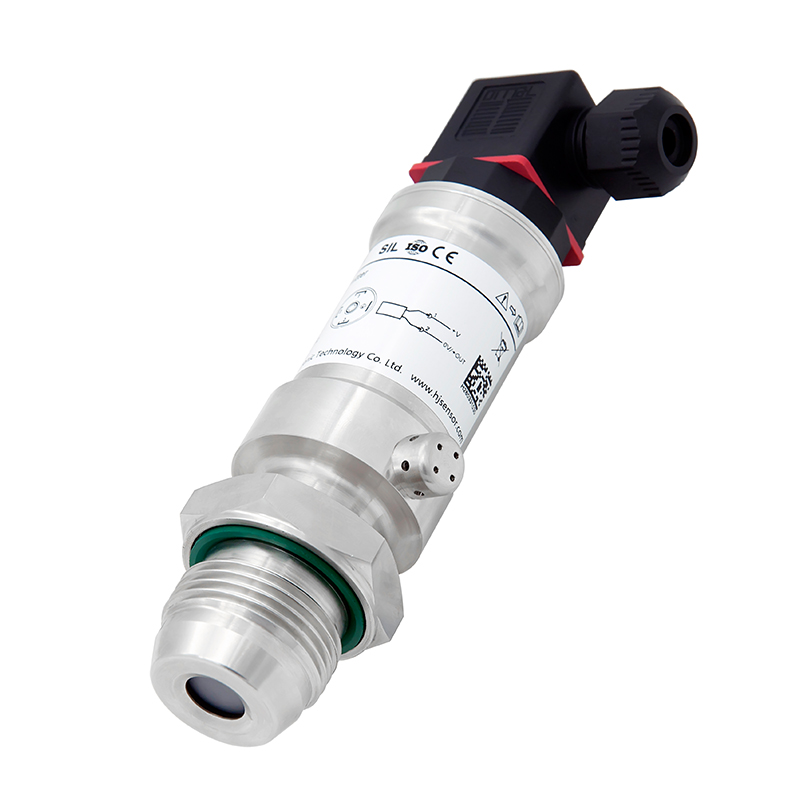
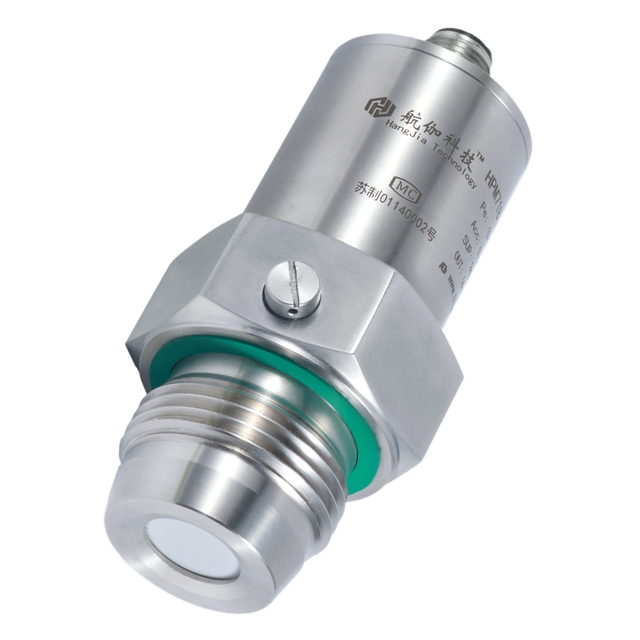
A Flush Diaphragm Sanitary Pressure Transmitter features a pressure sensing diaphragm that is perfectly flush with the process media surface. The diaphragm and surrounding housing create a flat, smooth interface that provides several important benefits:
No dead space: Smooth surface eliminates pockets where fluid can stagnate
High hygienic integrity: Easy to clean and sterilize during CIP/SIP
Accurate measurements: Direct contact allows better responsiveness
Compatibility with viscous fluids: Suitable for media that would clog standard port openings
These designs are especially advantageous for applications involving viscous, sticky, or particulate‑laden fluids where standard pressure ports might clog or trap contaminants.
What Is a Tri‑Clamp Sanitary Pressure Transmitter?
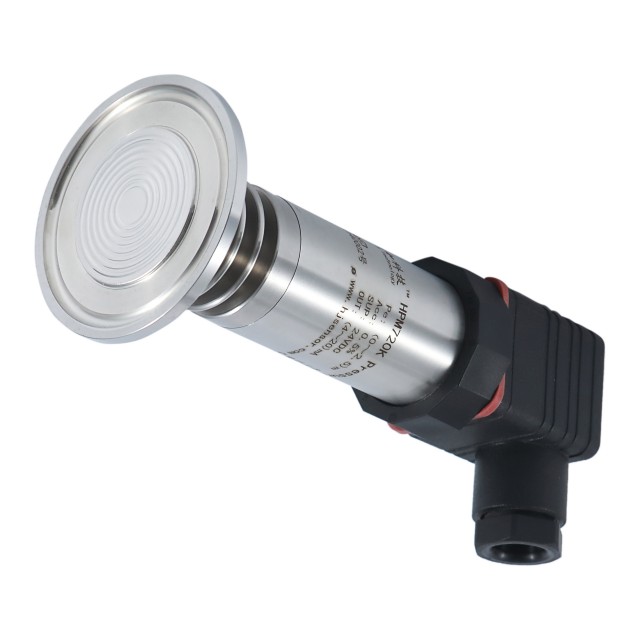
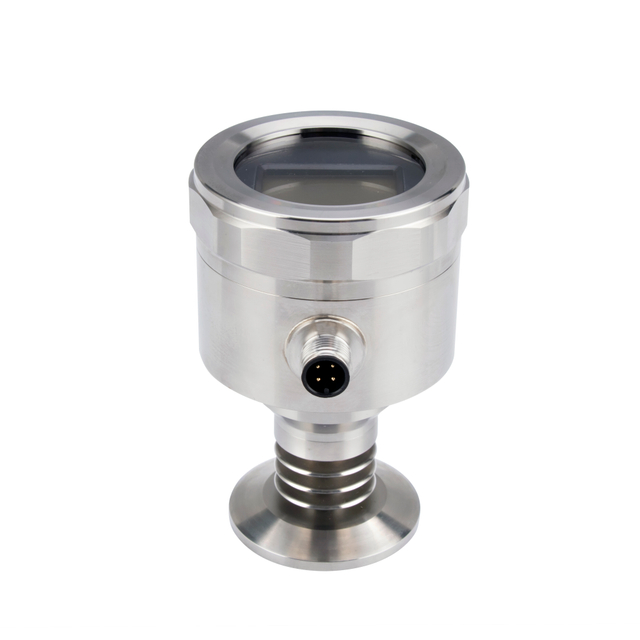
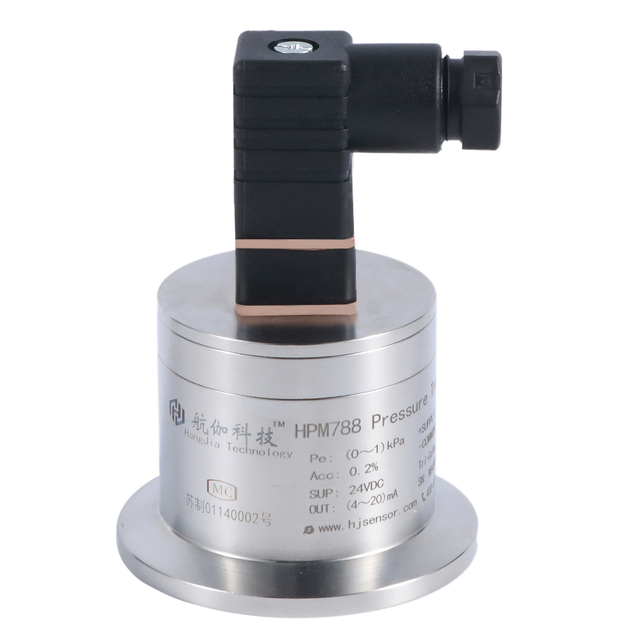
A Tri‑Clamp Sanitary Pressure Transmitter refers to the mechanical connection style rather than the diaphragm style alone. The tri‑clamp (also known as a sanitary clamp) is a standardized fitting widely used in hygienic fluid systems.
Key points about tri‑clamp style:
Universal compatibility: Works with standard sanitary piping systems
Rapid installation: Easy to assemble and disassemble
Smooth sanitary connection: Meets hygienic requirements
Modular design: Can be paired with various diaphragms (including flush)
Not all tri‑clamp transmitters are flush designs, but most modern sanitary systems opt for a flush diaphragm paired with a tri‑clamp fitting for maximum hygiene.
At‑a‑Glance Comparison: Flush vs Tri‑Clamp Sanitary Pressure Transmitters
Feature | Flush Diaphragm Sanitary Pressure Transmitter | Tri‑Clamp Sanitary Pressure Transmitter |
|---|---|---|
Interface Type | Flush diaphragm contact | Tri‑clamp fitting connection |
Dead Space Presence | None | None (when using sanitary clamp standards) |
Cleanability | Highest | Very High |
Installation Ease | Medium | High |
Viscous Media Handling | Excellent | Excellent (with flush diaphragm option) |
Best For | Sticky, high‑viscosity fluids | Standard hygienic process systems |
CIP/SIP Compatibility | Excellent | Excellent |
Cost | Slightly higher | Typically more cost‑effective |
This table helps illustrate fundamental design intentions: flush diaphragms maximize hygienic surface area, while tri‑clamp assemblies prioritize installation convenience on sanitary lines.
How Pressure Sensors Work in Sanitary Transmitters
Fundamentally, a Sanitary Pressure Transmitter employs an internal pressure sensor—typically silicon‑based or ceramic—embedded beneath the diaphragm. The sensor measures changes in fluid pressure and converts them into an electronic output (e.g., 4‑20mA signal) for use with process control systems.
In sanitary environments, the interface between the sensor element and the process media must be smooth and free from stagnant zones. In flush diaphragm versions, the diaphragm directly transmits pressure to the sensing element, minimizing transmission lag and mechanical distortion.
Why Hygienic Design Matters
In industries such as:
Food and beverage
Dairy processing
Pharmaceuticals
Biotechnology
Cosmetics
Process equipment must be cleaned regularly and thoroughly. Leftover media on stagnant surfaces can cause microbial growth, contamination, and product spoilage.
Sanitary pressure transmitters prevent these risks through:
Smooth surfaces that do not trap media
Material compatibility with cleaning agents
Standardized connections that prevent gaps
Designs that withstand CIP and SIP cycles
Inadequate design can lead to compliance issues, product recalls, and costly downtime.
Installation Considerations
Below are critical considerations that should shape your installation choice:
1. Process Line Compatibility
A Tri‑Clamp Sanitary Pressure Transmitter is ideal when you want easy integration into existing sanitary tubing systems with standardized clamp sizes. Flush diaphragms can be inserted directly wherever a smooth contact surface is required.
2. Cleanability Requirements
If the application demands rigorous cleaning with minimal downtime, the Flush Diaphragm Sanitary Pressure Transmitter often provides the best performance due to its flat, non‑crevice design.
3. Media Characteristics
High viscosity fluids (e.g., syrups, creams): Flush diaphragm preferred
Aerated or low viscosity fluids (e.g., water, air): Tri‑clamp with flush option suitable
Such matching ensures longevity and accuracy of the pressure sensors within the transmitter.
Performance Comparisons
Performance metrics for sanitary pressure transmitters often focus on:
Accuracy
Both designs can achieve high accuracy, but flush diaphragms often provide better dynamic fluid contact, improving real‑time measurement precision.
Responsiveness
Because flush diaphragms can eliminate barriers between the process media and the sensor, they often deliver faster response times, which is crucial in control loops.
Maintenance
Tri‑clamp configurations generally require less disassembly time and lower maintenance labor costs, which may offset initial investment differences.
Typical Use Cases
Industry | Best Choice | Reason |
|---|---|---|
Dairy | Flush Diaphragm Sanitary Pressure Transmitter | Avoids milk solids buildup |
Brewery | Tri‑Clamp Sanitary Pressure Transmitter | Easy integration with sanitary piping |
Pharmaceutical | Flush Diaphragm Sanitary Pressure Transmitter | Meets strict hygienic standards |
Beverage | Tri‑Clamp with Flush Diaphragm | Balance of cleanability and convenience |
Cosmetic | Flush Diaphragm Sanitary Pressure Transmitter | Reduces contamination risk |
This framework helps engineers and process designers select the ideal configuration based on real industry priorities.
Installation Best Practices
To ensure optimal performance:
Always mount the transmitter where fluid can flow freely without trapping air or solids.
Use proper gaskets and ensure tri‑clamp connections are tightened to recommended torque.
Align the diaphragm with the process flow direction when specified.
Regularly inspect for surface wear or pitting that could compromise hygiene.
Good installation reduces false readings and extends transmitter lifespan.
Industry Trends & Future Directions
Emerging industry requirements are pushing sanitary pressure transmitter technologies in several directions:
1. Smart Connectivity
More transmitters feature digital communication (e.g., IO‑Link) that provides diagnostics, status monitoring, and remote calibration capabilities.
2. Higher Pressure Ranges
Sanitary pressure transmitters now cover broader pressure ranges (from low vacuum to high psi levels), enabling use in more applications without sacrificing hygiene.
3. Enhanced Cleanability Standards
Standards bodies like EHEDG and 3‑A are emphasizing even smoother surfaces and more documentation, forcing manufacturers to innovate diaphragm designs.
4. Hybrid Connection Methods
Although tri‑clamp remains dominant, new clamp styles with quicker release mechanisms are emerging that still maintain sanitary integrity.
These trends focus on improving functionality without compromising cleanability or process integrity.
Sanitary Pressure Transmitter Selection Checklist
Before purchasing or specifying a sanitary pressure transmitter, always assess:
✔ Maximum process temperature and pressure
✔ CIP/SIP cleaning cycles and chemicals
✔ Media viscosity and particulate content
✔ Mounting orientation and space limitations
✔ Required output signal type
✔ Connection compatibility (flush vs tri‑clamp)
Using this checklist helps ensure the chosen transmitter integrates seamlessly into your system.
Conclusion: Which Should You Choose?
Both Flush Diaphragm Sanitary Pressure Transmitters and Tri‑Clamp Sanitary Pressure Transmitters have essential roles in hygienic processing systems. The key differences revolve around:
Surface cleanability
Installation ease
Application suitability
Process media characteristics
In summary:
For maximum hygienic integrity and performance with sticky, viscous, or particulate‑laden fluids: a flush diaphragm design is often superior.
For system compatibility, simplicity, and ease of maintenance in standard hygienic piping: a tri‑clamp solution (ideally with a flush diaphragm) is most effective.
The right choice depends on your specific process conditions, cleaning requirements, and long‑term maintenance plans.
FAQs
1. What does “flush diaphragm” mean in a sanitary pressure transmitter?
It refers to a flat, smooth sensing surface that eliminates crevices and interfaces directly with the process media, making it easier to clean and more hygienic.
2. Can a tri‑clamp sanitary pressure transmitter work with viscous media?
Yes, especially when paired with a flush diaphragm, tri‑clamp transmitters can effectively handle viscous media without clogging issues.
3. How often should sanitary pressure transmitters be calibrated?
Calibration frequency depends on the application and regulatory requirements, but common practices range from quarterly to semi‑annual checks in critical environments.
4. Are sanitary pressure transmitters suitable for pharmaceutical applications?
Absolutely—these transmitters are specifically designed to meet the hygienic and regulatory demands of pharmaceutical processes.
5. What output signals do sanitary pressure transmitters typically provide?
Common outputs include 4‑20mA, 0–5V, and digital communication signals, depending on system requirements.