Can Pressure Sensors Withstand High Temperatures?
Views: 191 Author: Site Editor Publish Time: 2025-08-29 Origin: Site
Pressure sensors are vital components across countless industries, from food processing and chemical production to energy systems and advanced manufacturing. One of the most common concerns among engineers and operators is whether pressure sensors can reliably withstand high-temperature environments without losing accuracy or suffering long-term damage. This question is not only practical but also critical for industries where processes regularly operate at elevated temperatures. In this article, we will explore the fundamentals of pressure sensors, how they respond to high temperatures, the technologies used to protect them, and practical considerations for choosing the right sensor.
Understanding How Pressure Sensors Work
At their core, pressure sensors measure the force exerted by a fluid (liquid or gas) on a surface, converting it into an electrical signal that can be monitored or recorded. This conversion is often achieved through strain gauges, capacitive elements, or piezoelectric crystals. While these underlying mechanisms are precise and reliable, they are also sensitive to external conditions, especially temperature.
When exposed to extreme heat, the delicate electronic and mechanical components within the sensor can expand, shift, or even degrade. For instance, solder joints may weaken, electronic circuits may drift, and sealing materials may lose integrity. These effects can lead to inaccurate readings, shortened sensor life, or even total failure. Therefore, designing and selecting a sensor that can handle elevated temperatures requires not just mechanical durability but also sophisticated compensation techniques.
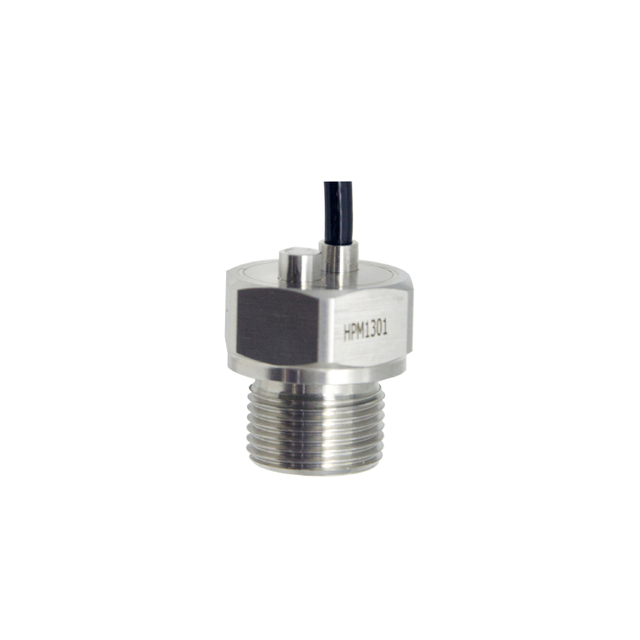
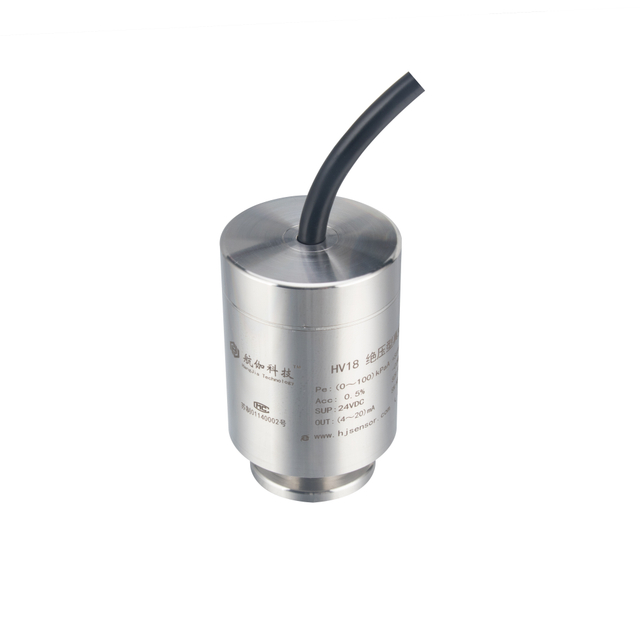
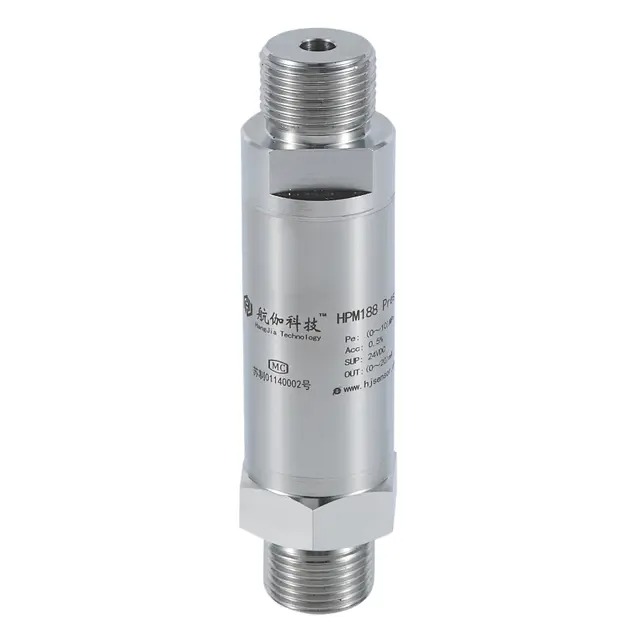
Modern engineering has addressed many of these concerns by developing flush-mount and hygienic pressure sensors capable of withstanding both high pressure and extreme temperature. By using specialized alloys, robust sensor membranes, and advanced signal conditioning electronics, these sensors can maintain performance even in harsh conditions.
Can Pressure Sensors Really Handle High Temperatures?
The short answer is yes—certain pressure sensors are specifically designed to withstand high temperatures. However, the degree to which a sensor can operate safely depends on its design, construction, and intended application. For example, sensors designed for pharmaceutical or food processing applications must not only tolerate heat but also maintain hygienic conditions, often operating at elevated temperatures during sterilization and cleaning cycles.
The most common strategies manufacturers use to ensure high-temperature resistance include:
Material Selection – Sensor diaphragms made of stainless steel or specialized alloys resist thermal expansion and maintain structural integrity under heat.
Thermal Isolation – Innovative mounting techniques reduce the amount of heat transmitted from the process medium to the sensor electronics.
Compensation Electronics – Temperature compensation circuits correct signal drift caused by fluctuating heat levels.
Flush-Mount Designs – These minimize residue buildup and allow reliable operation in hygienic and high-temperature processes.
For industrial environments where processes often exceed 150°C, dedicated high-temperature pressure sensors ensure both safety and performance. It is important to remember that not all sensors are created equal—choosing the right model for your process conditions is critical.
Practical Applications of High-Temperature Pressure Sensors
Industries that rely heavily on high-temperature pressure sensors include food and beverage processing, chemical manufacturing, oil and gas, and power generation. In these fields, both temperature and pressure need to be controlled with high accuracy to ensure efficiency, safety, and product quality.
For instance:
Food and Beverage Processing: Sterilization and cleaning processes require high heat, and hygienic flush-mount sensors ensure that pressure monitoring remains accurate without compromising food safety.
Chemical Industry: Reactions at high temperatures require precise monitoring of pressure to maintain safety and optimize chemical yields.
Power Generation: Boilers and steam turbines operate under intense heat and pressure, demanding robust sensors to prevent catastrophic failures.
In each of these cases, ordinary sensors would fail quickly under the combination of thermal stress and pressure. High-temperature pressure sensors bridge that gap by integrating both mechanical resilience and thermal compensation.
Table: Temperature Tolerance of Pressure Sensors by Type
To provide a clearer overview, here is a simplified table outlining the general temperature ranges different types of pressure sensors can withstand:
| Sensor Type | Typical Temperature Range | Applications |
|---|---|---|
| Standard Pressure Sensors | -20°C to +85°C | General industrial use, HVAC systems |
| Extended Range Pressure Sensors | -40°C to +125°C | Automotive, aerospace |
| High-Temperature Pressure Sensors | Up to +200°C (with cooling) | Chemical processing, energy systems |
| Hygienic High-Temperature Sensors | Up to +150°C (continuous use) | Food and beverage, pharmaceutical |
This table emphasizes that while basic sensors have limited temperature tolerance, specialized high-temperature and hygienic sensors are designed for continuous use in demanding environments.
Key Considerations When Choosing a High-Temperature Pressure Sensor
When selecting the right pressure sensor for a high-temperature application, several factors must be carefully considered:
Temperature Range: Ensure that the sensor’s rated operating range comfortably exceeds your process conditions.
Pressure Range: High temperature often coincides with high pressure; verify that the sensor can handle both simultaneously.
Material Compatibility: Stainless steel and hygienic-grade alloys are preferred for processes involving food, pharmaceuticals, or aggressive chemicals.
Hygienic Design: Flush-mount, crevice-free designs prevent contamination and allow easy cleaning in sensitive industries.
Signal Stability: Look for sensors with built-in temperature compensation to maintain accuracy across temperature fluctuations.
Durability and Maintenance: Consider sensors designed for long lifespans and minimal recalibration needs in high-stress environments.
By carefully matching these specifications to your operational requirements, you can avoid costly downtime, inaccurate data, or premature sensor replacement.
FAQs About Pressure Sensors and High Temperatures
Q1: Can all pressure sensors be used in high-temperature environments?
No. Only specialized high-temperature pressure sensors are designed for prolonged exposure to heat. Standard sensors may experience signal drift or damage when subjected to elevated temperatures.
Q2: What is the maximum temperature a pressure sensor can handle?
Most high-temperature models can operate continuously up to 150°C–200°C, depending on design and application. Beyond this range, cooling systems or remote diaphragm seals may be required.
Q3: How do high temperatures affect sensor accuracy?
Extreme heat can cause thermal expansion, material stress, and electronic drift. However, high-quality sensors with temperature compensation circuits can minimize these effects and maintain accuracy.
Q4: Are hygienic sensors suitable for high temperatures?
Yes. Hygienic flush-mount sensors are specifically engineered to handle both elevated temperatures and strict sanitary requirements, making them ideal for food and pharmaceutical industries.
Q5: How often should high-temperature pressure sensors be calibrated?
Calibration frequency depends on operating conditions, but in demanding environments, regular calibration (every 6–12 months) ensures reliability and compliance with industry standards.
Conclusion
So, can pressure sensors withstand high temperatures? The answer lies in choosing the right sensor. While not all pressure sensors are capable of enduring extreme heat, specialized high-temperature and hygienic designs have proven to be essential in industries where precision and durability are non-negotiable. By leveraging advanced materials, flush-mount construction, and compensation electronics, these sensors ensure accurate monitoring even in the harshest environments.
Whether in food processing, chemical manufacturing, or power generation, investing in the correct pressure sensor can mean the difference between efficient operation and costly system failures. The key is to evaluate your process requirements carefully and select a sensor that balances durability, accuracy, and hygienic design. With the right choice, you can achieve reliable pressure monitoring at high temperatures without compromise.