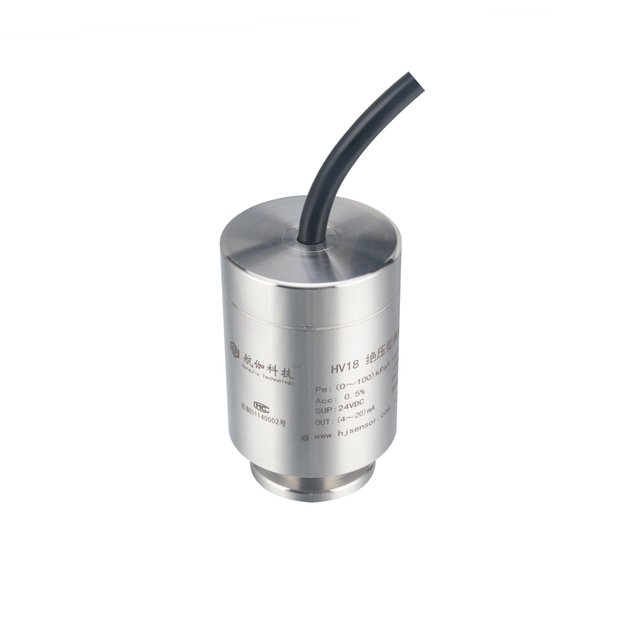
Capacitance Diaphragm Vacuum Gauge vs Pirani Gauge
Views: 0 Author: Site Editor Publish Time: 2026-09-29 Origin: Site
In process-critical vacuum environments, selecting the wrong pressure measurement technology leads to severe batch loss. It compromises thin-film quality and causes unnecessary equipment downtime. Engineers constantly face this reality when outfitting complex vacuum chambers. While both gauge types operate in the rough-to-medium vacuum range, they represent entirely different approaches to pressure measurement. Direct physical force systems behave radically differently than indirect thermal conductivity sensors. Misunderstanding these fundamental mechanics often derails highly sensitive manufacturing operations. This guide strips away standard marketing claims to provide a strict, engineering-focused technical comparison. You will learn how to specify the exact sensor required based on your accuracy needs and operational gas compositions.
Key Takeaways
Measurement Principle: Capacitance diaphragm gauges measure absolute, gas-independent pressure via physical diaphragm deflection; Pirani gauges measure indirect pressure based on the thermal conductivity of the gas.
Process Accuracy: A capacitance manometer vacuum gauge delivers unparalleled accuracy (often <0.5% of reading) for critical processes, whereas a Pirani vacuum gauge provides broader range visibility with lower baseline accuracy (typically 10-20%).
Cost vs. Capability: Pirani gauges offer a highly cost-effective solution for general foreline monitoring, while capacitance gauges require a higher upfront investment justified by strict compliance and process-control demands.
Fundamental Differences in Measurement Technologies
Direct Measurement: Capacitance Diaphragm Gauges (CDG)
Direct pressure measurement relies entirely on mechanical reality. Gas molecules exert physical force against a highly sensitive, flexible membrane. This membrane typically consists of Inconel or specialized ceramic material. As chamber pressure fluctuates, the diaphragm deflects slightly. This microscopic deflection alters the electrical capacitance between the moving diaphragm and a fixed internal electrode. Advanced internal circuitry then converts this specific capacitance shift into a highly precise, readable pressure measurement.
This physical design offers one massive process advantage. It provides a true, absolute measurement. The mechanical pushing force remains identical regardless of the specific gas species present inside your chamber. Nitrogen, argon, helium, and highly reactive precursor gases all push against the membrane equally. You never need to adjust the gauge calibration when switching process gases. This complete gas independence makes a capacitance vacuum gauge an absolute necessity for complex chemical applications.
Indirect Measurement: The Pirani Vacuum Gauge
Thermal gauges operate on a completely different, indirect scientific principle. They measure vacuum pressure through continuous heat transfer rather than physical force. A thin wire filament sits exposed inside the main sensor tube. The internal gauge electronics constantly heat this filament to a specific operating temperature. Surrounding gas molecules collide directly with this hot wire. These random molecular collisions physically carry heat away from the delicate filament.
As chamber pressure drops, fewer gas molecules exist to remove this heat. The internal system carefully measures the electrical power required to maintain the filament's exact temperature. This power level correlates mathematically to the vacuum pressure. However, this indirect method creates a severe functional limitation. It is completely gas-dependent. Different gases conduct heat at wildly different rates. Helium removes heat rapidly, while argon removes heat slowly. Manufacturers traditionally calibrate a Pirani vacuum gauge for standard nitrogen. If you measure argon without applying complex algorithmic conversion factors, your pressure reading will be inherently inaccurate.
Performance Evaluation: Accuracy, Range, and Gas Dependency
Precision and Resolution Tolerances
Reactive vacuum processes demand incredibly strict gas flow control. You must maintain exact pressure setpoints to achieve reliable yields. Mechanical membrane sensors deliver unparalleled precision for these tasks. High-quality commercial units routinely provide baseline accuracy better than 0.25% to 0.5% of the actual reading. This accuracy remains highly stable across their entire designated measurement scale. Process engineers rely on this tight tolerance to feed accurate data into critical mass flow controllers.
Thermal wire sensors offer reference-level accuracy instead. They typically operate within a broader 10% to 20% error margin. Furthermore, they become highly non-linear at the extreme ends of their functional operating range. Near standard atmospheric pressure, the specific thermal conductivity curve flattens out entirely. Near high vacuum ranges, thermal radiation heat loss overtakes standard gas conduction heat loss. You should avoid using thermal sensors for strict automated process control.
Vacuum Gauge Performance Comparison
Performance Metric | Mechanical Membrane Gauges | Thermal Wire Gauges |
|---|---|---|
Measurement Type | Direct (Physical Force) | Indirect (Thermal Loss) |
Gas Dependency | Completely Independent | Highly Dependent |
Standard Accuracy | <0.5% of Reading | 10% - 20% Typical |
Dynamic Range | Narrow (3-4 decades per gauge) | Broad (Atmosphere to $10^{-4}$ Torr) |
Contamination Resistance | Excellent (Isolated Electronics) | Poor (Exposed Filament) |
Measurement Span and Scaling
Thermal sensors provide excellent overall measurement span visibility. A single thermal sensor unit can track system pressure from full atmosphere all the way down to the $10^{-4}$ Torr range. This exceptionally broad dynamic range makes them brilliant for general system monitoring. Operators can watch an entire system pump-down cycle using just one installed sensor device.
Direct mechanical gauges face specific dynamic range limitations by design. Their extreme physical precision inherently restricts their measurement span. A single metal membrane can only flex a limited distance before losing signal sensitivity. Most direct gauges accurately cover only three to four decades of pressure. Covering the full operational range from atmosphere to high vacuum frequently requires a comprehensive multi-gauge setup. Engineers often install 1000 Torr, 10 Torr, and 0.1 Torr sensors together on one manifold to cover the entire process window accurately.
The Mixed-Gas Challenge
Many advanced industrial processes utilize constantly shifting, dynamic gas mixtures. Botanical distillation introduces evolving vapor compositions as various plant compounds boil off sequentially. Sputtering processes often blend argon and reactive oxygen mid-cycle to alter film properties. Changing the gas composition inside the chamber immediately changes the overall thermal conductivity of the environment.
Thermal sensors fail completely under these dynamic conditions. You cannot apply a static mathematical gas correction factor to a continuously shifting mixture. The sensor electronics falsely interpret the changing thermal properties as an actual pressure shift. This phenomenon immediately disqualifies thermal sensors for strict setpoint control in mixed-gas environments. Direct mechanical gauges ignore these complex compositional changes entirely. They strictly measure the true physical force.
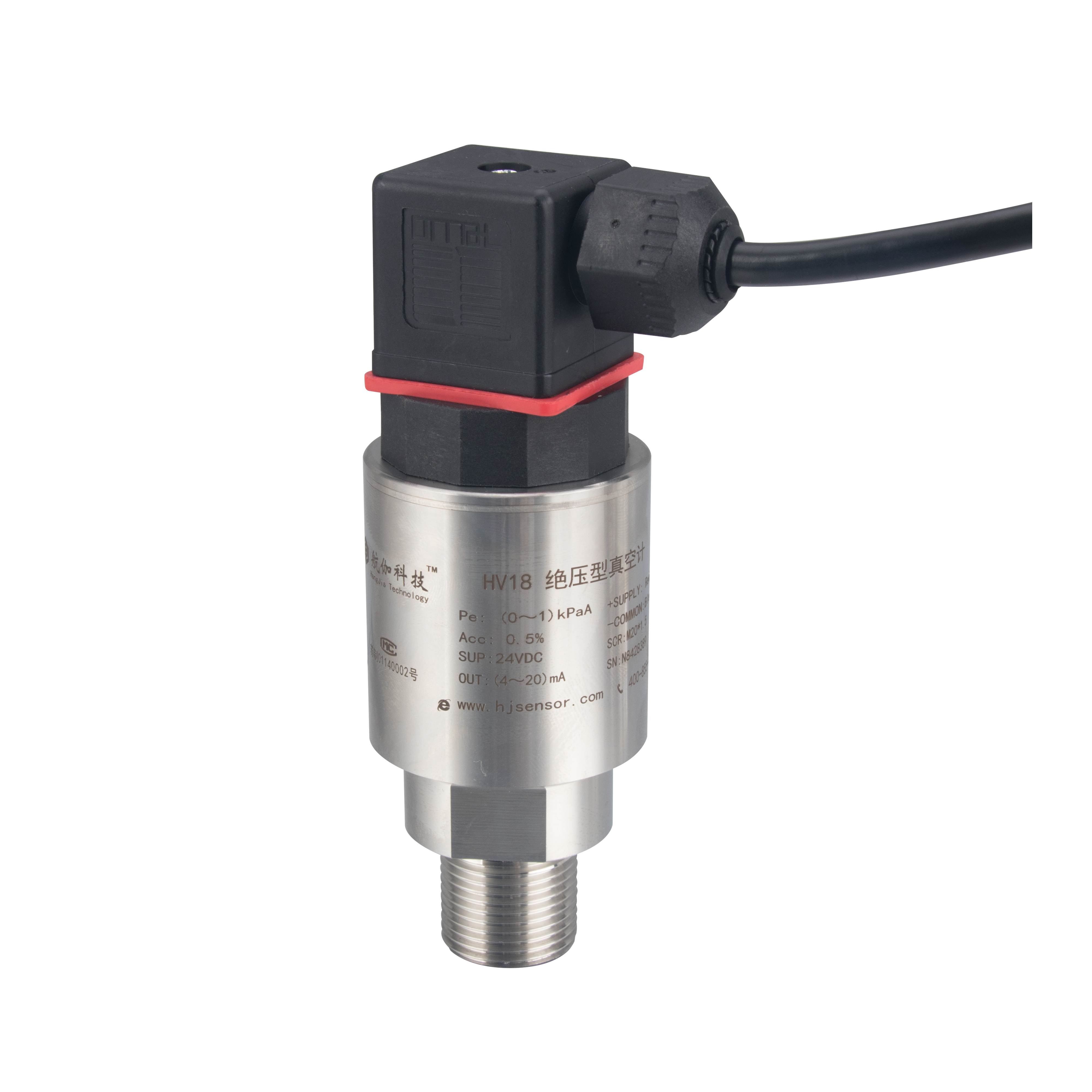
Implementation Realities: Contamination and Thermal Dynamics
Sensor Degradation and Contamination Risks
Vacuum manufacturing environments often contain harsh, degrading byproducts. Heavy oil vapors routinely backstream from older roughing pumps. Complex polymerizing gases create sticky, stubborn residues on chamber walls. Microscopic particulate matter floats aggressively through the chamber during heavy industrial drying applications. These specific contaminants directly threaten exposed measurement sensor elements.
Thermal sensors remain exceptionally vulnerable to this contamination. Oil vapors easily coat the delicate hot wire filament. This unwanted coating drastically alters the wire's natural emissivity and thermal profile. The gauge electronics must then apply extra power to maintain the set temperature. This creates severe, compounding baseline drift over time. Eventually, heavy particulate contamination causes complete filament burnout. Operators must pull the system down to replace or rebuild the sensor frequently.
Direct mechanical sensors offer drastically superior robustness in harsh conditions. The internal measurement electronics sit safely behind a strong, corrosion-resistant barrier. Harsh process gases only ever touch the tough Inconel or alumina face. This physical separation vastly improves the functional lifespan of the sensor. You can deploy these rugged units confidently in highly aggressive chemical environments without fearing sudden failure.
Temperature Sensitivity and Condensation
Process condensation poses a major functional threat to mechanical membrane sensors. Unreacted chemical precursors can easily condense on a cold sensor membrane face. This condensation adds microscopic physical mass to the diaphragm itself. The added mass prevents the thin membrane from flexing properly, causing immediate and permanent zero-drift. Operators must prevent this condensation absolutely to maintain critical accuracy.
Engineers solve this physical challenge by using actively heated sensors. Process designers can specify capacitance manometer vacuum gauge units heated internally to 45°C, 100°C, or even 160°C. The internal electrical heater keeps the membrane significantly hotter than the surrounding process gas. This sharp thermal barrier completely prevents byproducts from condensing on the critical measurement surface. Meanwhile, unheated thermal wire sensors remain highly sensitive to standard ambient room temperature fluctuations unless they feature complex active temperature compensation circuits.
Aligning Gauge Type with Industry Applications
When to Specify Direct Mechanical Sensors
Semiconductor and Thin Film Processing: Modern chemical vapor deposition (CVD), physical vapor deposition (PVD), and plasma etch systems require absolute precision. You must regulate chamber pressure completely independent of the reactive gas mix. These strict process windows mandate direct mechanical sensing.
Pharmaceutical Freeze Drying: Industrial lyophilization safely removes moisture from critical drugs under deep vacuum. Heavy water vapor dominates the chamber during this cycle. You need absolute, moisture-independent endpoint determination to ensure batch success and regulatory compliance.
Advanced Flat Panel Display Manufacturing: Large-scale vacuum chambers require highly precise mass flow control networks. Any slight pressure deviation ruins the display coating uniformity across the expansive glass substrate.
When to Specify Thermal Sensors
Load-Lock and Foreline Monitoring: System operators simply need basic pump-down verification here. You only need to know exactly when the chamber crosses over safely to activate the high-vacuum turbo pumps. Thermal sensors handle this simple task perfectly.
General Industrial Vacuum: Heavy botanical drying operations and standard vacuum metallurgical furnaces rarely require absolute decimal accuracy. Rough pressure trends provide enough actionable data to manage the process effectively.
HVAC and Refrigeration Evacuation: Field technicians pulling deep vacuums on refrigeration lines need broad range visibility. They only need to confirm the piping system reaches an acceptable baseline before charging new refrigerants.
Decision Framework: Shortlisting Your Next Vacuum Gauge
Selecting the right sensor technology requires a highly structured, analytical approach. Follow this strict engineering framework to ensure optimal process compatibility and avoid costly mismatches.
Define the Gas Environment: Analyze your operating gases carefully. Are you pumping a single inert gas like dry nitrogen? Or are you actively handling complex, corrosive mixtures? Complex dynamic mixtures strictly mandate direct mechanical sensing to avoid constantly shifting correction factors.
Establish Accuracy Thresholds: Determine your actual process tolerance precisely. Is a +/- 15% reading variation perfectly acceptable for your roughing operation? Or do you need stringent 0.25% reading precision to control reactive mass gas flow controllers accurately?
Determine the Required Measurement Span: Decide if you need continuous atmospheric-to-base pressure tracking. If yes, choose a wide-range thermal sensor. If you strictly need targeted process-window control, select a precisely scaled mechanical sensor suite.
Verify Integration Requirements: Check your master equipment controller specifications. Do you need basic analog voltage outputs? Or does your automated system require advanced digital protocols like EtherCAT, DeviceNet, or RS-485 for seamless factory integration?
Conclusion
The ultimate choice between a capacitance diaphragm vacuum gauge vs Pirani gauge is rarely subjective. It is dictated entirely by your process tolerance for gas dependency and physical system contamination. Thermal sensors excel brilliantly at broad-range visibility and simple system monitoring. Conversely, direct mechanical sensors provide the uncompromising, absolute accuracy required for critical advanced manufacturing processes.
Before purchasing new sensors, formally audit your chamber's specific gas mixtures. Review your standard operating procedures closely. Never rely solely on generic manufacturer spec sheets. You must understand your unique process environment thoroughly first.
Consult closely with an experienced applications engineer to finalize your technical selection. Review specific product datasheets to match your exact flange types, temperature requirements, and communication protocols. Getting this specification right ensures long-term process stability and safeguards your production batches.
FAQ
Q: Can a Pirani gauge accurately measure Argon or Helium?
A: Yes, but only under strict operational conditions. Your vacuum controller must allow you to input specific gas correction factors manually. Helium conducts heat much faster than standard nitrogen, while Argon conducts heat much slower. If your operational gas mixture changes dynamically mid-process, static correction factors fail completely, and your readings will become highly inaccurate.
Q: Why do some direct mechanical sensors need to be heated?
A: Heating the sensor assembly prevents severe internal contamination. Process gases and unreacted chemical byproducts easily condense on a cold sensor membrane. This physical condensation alters the mass of the diaphragm, causing immediate and permanent reading drift. Elevating the sensor temperature up to 160°C creates a strong thermal barrier that stops this harmful condensation.
Q: How often should these vacuum sensors be calibrated?
A: Thermal gauges require frequent zero-adjustments and active recalibration due to continuous filament aging and contamination. They drift naturally over their lifespan. Direct mechanical sensors remain highly stable for much longer periods. However, you should still subject them to annual verifiable calibration to maintain strict compliance with ISO quality standards and industry manufacturing protocols.