How to Choose a Intelligent Temperature Transmitter for Long Cable Runs and Noisy Environments
Views: 0 Author: Site Editor Publish Time: 2026-04-14 Origin: Site
Ever struggled with inaccurate temperature readings in noisy factories? Long cables and interference often cause signal loss. Traditional sensors just can’t keep up.
Intelligent temperature transmitters solve these issues by boosting and cleaning signals. They ensure reliable data even over long distances.
In this post, you’ll learn how to choose the right intelligent temperature transmitter for tough environments. We’ll cover key features, installation tips, and more.
Key Considerations When Choosing an Intelligent Temperature Transmitter for Long Cable Runs and Noisy Environments
When selecting an intelligent temperature transmitter for challenging industrial settings, several critical factors ensure reliable and accurate temperature measurement despite long cable distances and electrical noise.
Importance of Signal Integrity in Long Cable Applications
Long cable runs increase the risk of signal degradation. The weak voltage signals from thermocouples and RTDs are prone to attenuation and noise pickup over extended distances. Maintaining temperature transmitter signal integrity is vital to prevent inaccurate readings that could disrupt process control or cause costly errors.
How Electromagnetic Interference (EMI) and Radio Frequency Interference (RFI) Affect Temperature Signals
Industrial environments often contain sources of EMI and RFI, such as motors, transformers, and switching devices. These interferences induce unwanted currents in sensor wiring, corrupting the temperature signal. Thin sensor wires act as antennas, amplifying this effect, especially over long cables. Without proper mitigation, this noise can lead to false temperature readings or erratic control responses.
Benefits of Using Intelligent Transmitters to Combat Noise and Signal Degradation
Intelligent transmitters amplify, filter, and condition the sensor signal at the measurement point. This boosts the signal strength and reduces susceptibility to noise before transmission over long cables. Using temperature transmitter noise reduction features significantly enhances measurement accuracy. Additionally, intelligent devices can provide digital outputs that are inherently more resistant to interference than analog signals.
Choosing Transmitters with High Isolation and EMI Immunity
High isolation between input and output circuits prevents ground loops, a common source of noise in industrial wiring. Look for transmitters with compliance to EMC standards (e.g., IEC 61326) to ensure robust immunity against EMI/RFI. This is especially important when wiring runs span hundreds of feet or pass near heavy electrical equipment.
Selecting Appropriate Output Signals for Noise-Resistant Communication
Standard 4-20 mA analog outputs are widely used due to their simplicity and noise resistance. However, digital communication protocols such as HART, Modbus, or Foundation Fieldbus offer enhanced data integrity and diagnostic capabilities. Choosing a transmitter with flexible output options enables integration with modern control systems while maintaining signal quality.
Evaluating Transmitter Programmability and Smart Diagnostic Features
Programmable transmitters allow custom scaling, sensor type selection, and alarm set-points. Smart diagnostics can detect sensor drift, wiring faults, or abnormal conditions early, facilitating proactive maintenance. These features reduce downtime and improve overall process reliability.
Mounting Options and Environmental Protection for Industrial Settings
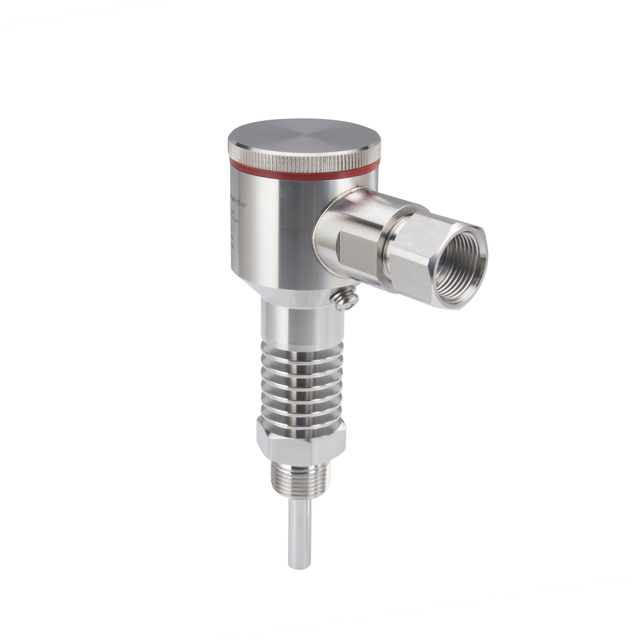
Consider the transmitter’s physical format—head-mount, DIN rail, or field-mount—based on installation constraints. Environmental protection ratings (IP, NEMA) ensure durability against dust, moisture, and vibration. For harsh environments, explosion-proof or weatherproof transmitters provide added safety and longevity.
Understanding Signal Corruption and Its Impact on Temperature Measurement Accuracy
Accurate temperature measurement is critical in industrial processes, but signal corruption often challenges this goal. Understanding how signal issues arise and their effects helps in choosing the right intelligent temperature transmitter for long cable runs and noisy environments.
The Seebeck Effect and Weak Signals from Thermocouples and RTDs
Temperature sensors like thermocouples and RTDs generate very weak electrical signals. Thermocouples rely on the Seebeck Effect, producing microvolts per degree of temperature difference. RTDs, on the other hand, change resistance slightly with temperature, which translates to small voltage changes. These signals are inherently low-level and easily affected by external disturbances.
How Long Cable Runs Increase Susceptibility to Noise
When sensor signals travel over long cables, their strength diminishes, making them more vulnerable to interference. The thin wires act like antennas, picking up electromagnetic interference (EMI) and radio frequency interference (RFI) from nearby industrial equipment. The longer the cable, the more noise it can accumulate, leading to corrupted signals that distort the true temperature reading.
Common Sources of EMI and RFI in Industrial Environments
Factories and plants are full of equipment generating electrical noise. Common offenders include:
Large motors and generators
Variable frequency drives (VFDs)
Transformers and welding machines
Switching devices such as relays and solenoids
These devices emit EMI and RFI that induce unwanted currents in sensor wiring, especially in unshielded or improperly grounded cables.
Consequences of Inaccurate Temperature Readings in Process Control
Corrupted temperature signals can cause serious issues:
False alarms or missed alerts in safety systems
Poor process control leading to product quality loss
Equipment damage from incorrect temperature adjustments
Increased downtime and maintenance costs
For example, if a furnace temperature appears lower than actual, operators might increase heat unnecessarily, damaging materials. Conversely, a falsely high reading might cause premature shutdowns, reducing productivity.
Features of Intelligent Temperature Transmitters That Enhance Performance in Noisy and Long-Distance Applications
Intelligent temperature transmitters play a crucial role in maintaining accurate temperature readings, especially in industrial environments with long cable runs and high electrical noise. Their advanced features ensure signal integrity and reliable data transmission under challenging conditions.
Signal Amplification, Filtering, and Conditioning Capabilities
One of the primary benefits of an intelligent temperature transmitter is its ability to amplify weak sensor signals right at the measurement point. Thermocouples and RTDs generate very low-level signals susceptible to noise and attenuation over long distances. The transmitter boosts these signals and applies filtering to remove unwanted electrical interference. Conditioning the signal in this way ensures a clean, stable output that accurately reflects the true temperature.
Standardized 4-20 mA and Digital Output Options (Modbus, HART, etc.)
Most intelligent transmitters provide standardized analog outputs, typically 4-20 mA, which are inherently resistant to noise and compatible with a wide range of control and monitoring systems. Additionally, many models support digital communication protocols like HART, Modbus, or Foundation Fieldbus. These digital outputs offer enhanced data integrity, allow for remote configuration, and enable advanced diagnostics, making the transmitter suitable for modern industrial automation.
Smart Diagnostics and Alert Functions for Proactive Maintenance
Smart features in intelligent temperature transmitters can monitor sensor health, detect wiring faults, and identify abnormal operating conditions. They can alert maintenance personnel before a failure occurs, reducing unplanned downtime. Diagnostics may include sensor drift detection, broken wire alerts, or communication errors. This proactive approach improves overall process reliability and safety.
Programmability for Customized Scaling and Set-Points
Intelligent transmitters often allow users to program custom scaling, linearization, and alarm set-points. This flexibility enables precise adaptation to specific sensor characteristics and process requirements. For example, you can tailor the transmitter’s output range to focus on the most critical temperature window, improving measurement resolution and control accuracy.
High Isolation to Prevent Ground Loops and Electrical Hazards
Ground loops are a common source of noise and electrical faults in industrial wiring. Intelligent transmitters with high galvanic isolation between input and output circuits prevent these issues by electrically separating the sensor from the control system. This isolation not only reduces noise but also protects personnel and equipment from electrical hazards, especially in harsh environments with long cable runs.
Compatibility with Various Sensor Types (Thermocouples, RTDs, etc.)
A versatile intelligent temperature transmitter supports multiple sensor types, including various thermocouples (Type K, J, T, etc.) and RTDs (Pt100, Pt1000). This compatibility simplifies inventory management and allows easy sensor upgrades or replacements without changing the transmitter. It also ensures optimal performance by matching the transmitter’s input conditioning to the sensor’s characteristics.
Selecting the Right Sensor and Transmitter Combination for Your Application
Choosing the ideal combination of sensor and intelligent temperature transmitter is essential for accurate and reliable temperature measurement, especially in challenging industrial environments. Understanding the strengths and limitations of different sensor types and how they pair with transmitters can improve performance and reduce troubleshooting.
Comparing Thermocouples and RTDs for Accuracy and Response Time
Thermocouples and RTDs are the two most common temperature sensors used with intelligent transmitters, each offering unique benefits:
Thermocouples generate a voltage based on the Seebeck Effect. They are robust, handle extreme temperatures (up to 1800°C or higher), and respond quickly to changes. However, their accuracy is moderate, typically ±1 to ±2°C, and their signals are very weak, making them more prone to noise, especially over long cable runs.
RTDs (Resistance Temperature Detectors) operate by changing resistance with temperature. They provide higher accuracy (±0.1 to ±0.5°C) and better stability over time. RTDs respond slower than thermocouples but are preferred for precise control applications. Their signals are also low-level but generally less noisy.
When deciding, consider if fast response or high accuracy is more critical for your process.
Matching Sensor Types with Intelligent Transmitter Capabilities
Intelligent temperature transmitters often support multiple sensor inputs, including various thermocouple types (K, J, T, etc.) and RTDs (Pt100, Pt1000). Selecting a transmitter compatible with your sensor ensures optimal signal conditioning, linearization, and calibration.
For example, a smart transmitter can automatically linearize thermocouple outputs or compensate for RTD wire resistance. Some transmitters also allow easy sensor type changes via programming, providing flexibility if you upgrade or modify your system.
Considerations for Extreme Temperature or Harsh Environmental Conditions
In harsh environments, sensor and transmitter durability is critical. Thermocouples excel in very high temperatures and corrosive atmospheres, especially when paired with rugged, field-mount transmitters featuring high IP or NEMA ratings.
For applications with vibration, moisture, or dust, select transmitters with robust enclosures and certifications like FM approval for hazardous locations. Also, consider sensor sheath materials and protective coatings to withstand chemical exposure.
Ensuring Compatibility with Control and Monitoring Systems
Your intelligent temperature transmitter must integrate seamlessly with existing control or data acquisition systems. Check that the transmitter supports required output signals—4-20 mA analog, HART, Modbus, or other digital protocols.
Compatibility simplifies wiring, reduces integration costs, and enables advanced features like remote diagnostics or calibration. Confirm the transmitter’s programmability matches your system’s input requirements and that it can be configured to your process’s temperature range and units.
Installation Best Practices for Long Cable Runs and Noisy Environments
Proper installation is crucial to ensure your intelligent temperature transmitter performs optimally, especially in industrial settings with long cable runs and high electrical noise. Following best practices in wiring, mounting, and maintenance preserves signal integrity and reduces troubleshooting time.
Using Shielded Twisted Pair Wiring to Reduce Noise Pickup
Shielded twisted pair (STP) cables are essential for minimizing electromagnetic interference (EMI) and radio frequency interference (RFI). The twisting of the pairs cancels out induced voltages caused by external noise sources. The shield acts as a barrier, diverting noise currents to ground. When running cables over long distances, always choose high-quality STP wiring rated for industrial environments.
Use cables with 100% foil shielding or a combination of foil and braid for maximum protection.
Connect the shield to a single grounding point at the transmitter end to avoid ground loops.
Avoid running sensor cables parallel and close to power cables or noisy equipment.
Optimal Transmitter Mounting Locations to Minimize Interference
Mount the temperature transmitter as close to the sensor as possible. This reduces the length of low-level sensor wiring exposed to noise. Field-mount transmitters installed near the process connection help maintain signal integrity by converting the weak sensor signal into a robust output early.
Avoid placing transmitters near large motors, variable frequency drives (VFDs), or welding equipment, which generate strong EMI. If proximity to such sources is unavoidable, use additional shielding or conduit to protect wiring.
Grounding and Wiring Techniques to Enhance Signal Integrity
Proper grounding is vital to prevent noise and ground loop issues:
Use a single-point grounding scheme for shields and transmitter enclosures.
Ensure all equipment grounds meet local electrical codes and are low resistance.
Separate sensor wiring from power cables by at least 12 inches or use conduit to isolate them.
Use twisted pair wiring for both sensor and output cables to maintain balanced lines.
Avoid sharp bends and kinks in cables which can damage shielding and conductors.
Maintenance Tips to Detect and Resolve Wiring Faults Early
Regular inspection and preventive maintenance help identify wiring faults before they escalate:
Periodically check cable shields and terminations for corrosion or damage.
Use insulation resistance testers to detect shorts or leakage in sensor wiring.
Monitor transmitter diagnostics for alerts on sensor drift or broken wires.
Keep detailed records of wiring layouts and any modifications for troubleshooting.
Train maintenance personnel on proper wiring and grounding best practices.
Evaluating Protection Ratings and Durability for Industrial Applications
In industrial settings, an intelligent temperature transmitter must withstand harsh conditions while maintaining accurate performance. Evaluating protection ratings and build quality is essential to ensure long-term reliability.
Understanding NEMA and IP Ratings for Water and Dust Resistance
Protection ratings indicate how well a transmitter resists dust, water, and other environmental hazards. Two common standards are:
NEMA Ratings: Defined by the National Electrical Manufacturers Association, these specify protection levels against solids and liquids. For example, NEMA 4 offers protection against rain, splashing water, and hose-directed water, while NEMA 7 covers explosion-proof enclosures for hazardous locations.
IP Ratings: The Ingress Protection (IP) code rates protection against dust and water. For instance, IP65 means dust-tight and protected against water jets, whereas IP67 protects against temporary immersion.
Choosing a transmitter with appropriate NEMA or IP ratings depends on your environment. Outdoor, dusty, or wet locations require higher-rated enclosures to prevent damage and signal degradation.
Choosing Explosion-Proof and Weatherproof Transmitter Models
In hazardous environments with flammable gases or dust, safety-certified transmitters are mandatory. Look for transmitters with FM (Factory Mutual) approval or ATEX certification that meet explosion-proof standards.
Weatherproof transmitters with rugged housings resist corrosion, UV exposure, and temperature extremes. These models often feature stainless steel or aluminum enclosures with sealed connectors to prevent ingress of contaminants.
Selecting the right protection ensures compliance with safety regulations and reduces downtime caused by environmental damage.
Assessing Transmitter Build Quality for Vibration and Temperature Extremes
Industrial applications may expose transmitters to vibration, shock, and wide temperature fluctuations. Durable construction with shock-absorbing mounts or ruggedized circuit boards helps maintain signal accuracy.
Check manufacturer specifications for operating temperature ranges. Some transmitters operate reliably from -40°C to +85°C or higher, suitable for harsh outdoor or process conditions.
Vibration-resistant designs prevent mechanical failure and wiring fatigue, critical for installations on rotating equipment or heavy machinery.
Cost, Support, and Long-Term Benefits of Investing in Intelligent Temperature Transmitters
When deciding on an intelligent temperature transmitter, it’s easy to focus on upfront costs. However, considering the long-term value often reveals greater savings and reliability, especially in demanding industrial environments with long cable runs and electrical noise.
Balancing Upfront Costs with Reduced Maintenance and Downtime
High-quality intelligent transmitters may come at a higher initial price compared to basic models. Yet, their advanced features reduce maintenance needs and minimize downtime. For example, smart diagnostics alert you to sensor drift or wiring issues before failures occur, preventing costly emergency repairs and process interruptions. Over time, these savings often outweigh the initial investment.
Additionally, using transmitters with robust noise reduction and high isolation decreases signal errors and false alarms. This reliability means fewer manual checks and less troubleshooting, reducing labor costs and improving process efficiency.
Value of Smart Diagnostics for Proactive Troubleshooting
Smart diagnostics built into intelligent temperature transmitters provide real-time health monitoring of sensors and wiring. They detect problems like broken wires, sensor degradation, or abnormal signal conditions early. This proactive approach enables scheduled maintenance rather than reactive fixes, extending equipment life and avoiding unexpected shutdowns.
Moreover, diagnostic data often integrates with control systems via digital protocols like HART or Modbus, allowing remote monitoring and faster decision-making. This capability is invaluable in noisy environments where traditional transmitters might fail silently.
Importance of Manufacturer Support and Warranty Services
Choosing transmitters from reputable manufacturers ensures access to technical support, calibration services, and firmware updates. Good after-sales support helps resolve installation or configuration issues quickly, reducing startup delays.
A solid warranty protects your investment against defects and premature failures. It also reflects the manufacturer’s confidence in product durability, which is crucial for harsh industrial conditions.
How Intelligent Transmitters Improve Overall Process Reliability and Safety
By maintaining accurate temperature readings despite long cables and interference, intelligent transmitters enhance process control precision. Improved accuracy prevents product quality issues, equipment damage, and safety risks caused by incorrect temperature data.
Their high isolation and noise immunity also protect personnel and control equipment from electrical faults and ground loops. Together, these benefits boost operational safety and compliance with industry standards.
Conclusion
Choosing the right intelligent temperature transmitter requires careful attention to signal integrity, noise immunity, and long cable compatibility. These transmitters amplify and filter weak sensor signals, overcoming interference challenges in industrial environments. Prioritizing smart diagnostics and high isolation ensures reliable, accurate temperature readings. For optimal performance and support, consider HIGHJOIN’s advanced transmitters, designed to enhance process safety and reduce maintenance costs. Consult with HIGHJOIN to implement solutions tailored to your demanding applications for lasting value and efficiency.
FAQ
Q: What is an intelligent temperature transmitter and why is it important for long cable runs?
A: An intelligent temperature transmitter amplifies and conditions weak sensor signals at the source, maintaining temperature transmitter signal integrity over long cable runs. This prevents signal degradation and noise interference common in industrial environments, ensuring accurate temperature measurement and reliable process control.
Q: How do intelligent temperature transmitters reduce noise in noisy environments?
A: Intelligent temperature transmitters use filtering, high isolation, and noise reduction features to combat EMI and RFI interference. Combined with shielded twisted pair cables and proper grounding, they maintain signal quality, making them ideal temperature transmitters for noisy environments.
Q: What are key temperature transmitter installation tips for long cable runs?
A: Mount the intelligent temperature transmitter close to the sensor, use shielded twisted pair wiring, ensure single-point grounding, and avoid routing cables near power lines or motors to maximize signal integrity and minimize noise.
Q: How can I troubleshoot temperature transmitter issues caused by long cables?
A: Check for wiring faults, damaged shields, and ground loops. Use transmitter diagnostics to detect sensor drift or broken wires. Proper installation and selecting transmitters with smart diagnostics simplify troubleshooting long cable runs.
Q: What factors should I consider when selecting an intelligent temperature transmitter for harsh industrial environments?
A: Consider protection ratings (NEMA/IP), high isolation to prevent ground loops, compatibility with sensor types, programmable features, and certifications for explosion-proof or weatherproof operation to ensure durability and reliable temperature transmitter performance factors.