How Does A Level Transmitter Work?
Views: 0 Author: Site Editor Publish Time: 2026-03-27 Origin: Site
Level measurement is crucial in industrial tanks and vessels to ensure safety and efficiency in various processes. But how does a level transmitter work to provide accurate readings? In this article, we will explain the fundamental principles behind level transmitters, explore different measurement methods, and discuss key factors that influence their performance. You’ll also learn how to choose the right level transmitter for your specific application.
How a Level Transmitter Measures Level
What a Level Transmitter Actually Detects
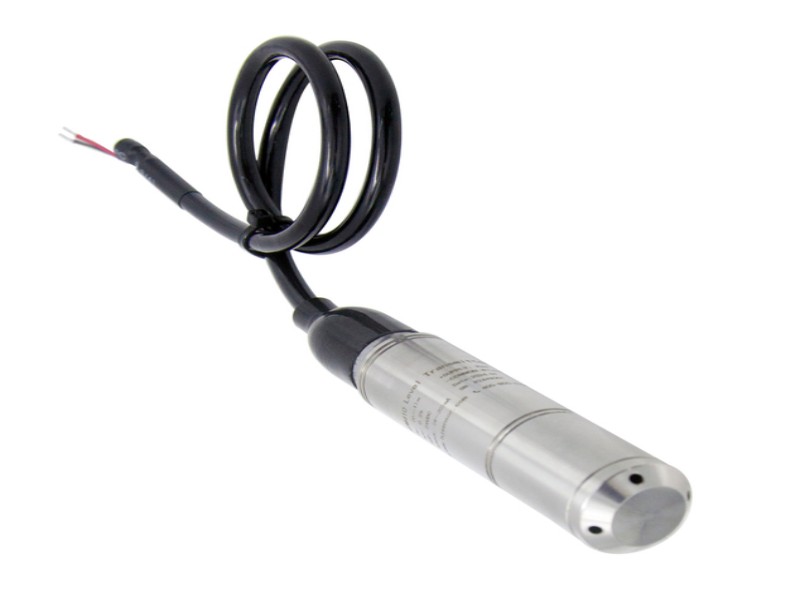
A level transmitter is designed to measure the level of a substance, typically liquid, within a tank or vessel. However, it does not directly measure the level in a simple visual way. Instead, it detects a related physical change, such as pressure, distance, or electrical variation, depending on the technology used.
For instance, in hydrostatic level measurement, a transmitter detects the pressure at the bottom of a liquid column. The pressure increases as the liquid level rises due to the weight of the liquid above the sensor. In contrast, ultrasonic and radar level transmitters detect the distance from the transmitter to the surface of the liquid, measuring how long it takes for a signal to travel to the surface and back. Similarly, capacitance-based transmitters measure changes in the capacitance between a sensor and the tank walls, which alters based on the amount of material present.
How the Signal is Converted into a Readable Output
Once the transmitter detects a physical change, it needs to convert this information into a readable form for monitoring and control. The process begins with the sensor’s response to the material’s level. For instance, when a pressure sensor detects increased pressure, this value is processed and converted into an electrical signal. This conversion allows the transmitter to generate a measurable output, typically 4-20 mA or digital communication protocols like HART, Modbus, or PROFIBUS.
For ultrasonic and radar transmitters, once the signal (sound or electromagnetic) is reflected off the liquid surface, the time it takes for the signal to return is measured and converted into a distance. This distance is directly related to the level of the substance in the container. The transmitter’s electronics then translate this distance into a level reading that can be displayed on a control system or used to trigger automatic controls, such as pump shutdown or alarm systems.
The conversion process ensures that raw data from the sensing element, which may be in the form of pressure, distance, or capacitance, is made useful for real-time monitoring or system integration. By sending this output to a control system, operators can access continuous, real-time data about the material’s level, making it possible to manage processes efficiently and prevent overflows or dry runs.
The Main Working Principles of a Level Transmitter
How Hydrostatic Level Transmitters Work
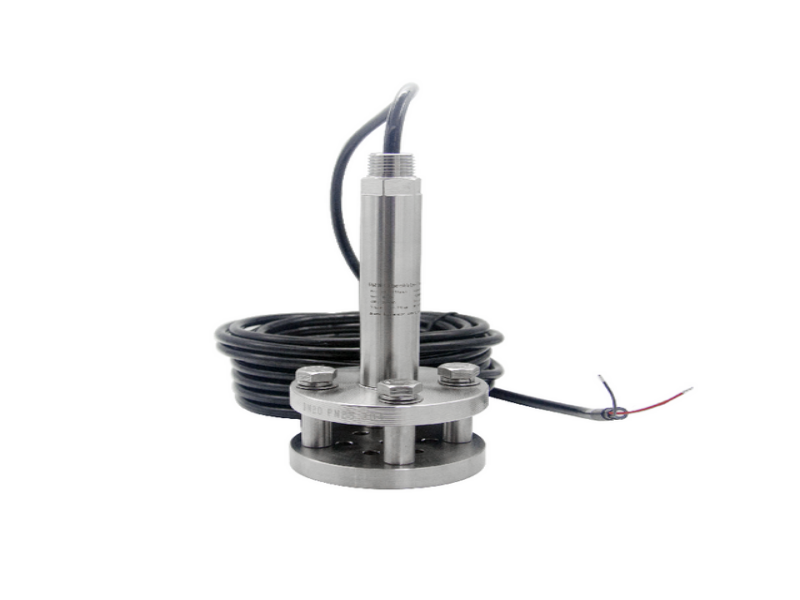
Hydrostatic level transmitters operate on the principle of hydrostatic pressure—the pressure exerted by a liquid at rest due to gravity. The amount of pressure increases with the height of the liquid above the sensing point, making it an ideal method for measuring liquid levels.
In a typical setup, a pressure sensor is placed at the bottom of the tank or container. The pressure exerted by the liquid column is directly proportional to the liquid's height. The transmitter measures this pressure and converts it into a level reading based on the known density of the liquid. This is particularly effective in open or closed liquid tanks, as the liquid’s weight generates measurable pressure that can be easily translated into a level measurement.
Hydrostatic level measurement is reliable and simple, especially when dealing with clean liquids like water or oil. However, the method may require compensation for gas or vapor pressure in sealed containers, as this can affect the accuracy of the reading.
How Ultrasonic and Radar Level Transmitters Work
Both ultrasonic and radar level transmitters are non-contact measurement devices that calculate liquid levels by determining the time it takes for a signal to travel from the sensor to the surface of the liquid and back. These methods rely on time-of-flight principles, where the transmitter sends out a pulse (ultrasonic sound waves or radar waves) and measures how long it takes for the signal to reflect back after hitting the liquid surface.
● Ultrasonic level transmitters use sound waves to detect the level. These devices are ideal for clear liquids and are often used in applications where direct contact with the material is not desirable, such as in food or chemical industries.
● Radar level transmitters use electromagnetic waves (microwaves) to measure distance. They are more suitable for difficult conditions, such as high temperatures, pressures, or dense vapors, where ultrasonic sensors might struggle. Radar systems are highly accurate and unaffected by temperature fluctuations or surface conditions, making them an excellent choice for challenging environments like petrochemical or oil & gas industries.
Both ultrasonic and radar transmitters are ideal when non-contact is crucial, avoiding the wear and tear that direct-contact sensors might experience.
How Capacitance and Float-Based Transmitters Work
Capacitance-based level transmitters measure the change in electrical capacitance between two electrodes, which is influenced by the amount of material between them. As the liquid level rises or falls, the dielectric constant between the liquid and the electrodes changes, which in turn alters the capacitance. This change is measured by the transmitter and converted into a level reading.
Capacitance transmitters are often used in applications where non-conductive liquids or materials are involved, such as in oils, fuels, or certain chemicals. They can provide accurate continuous measurements in smaller tanks or containers and are known for their high sensitivity.
On the other hand, float-based transmitters use a buoyant float that rises and falls with the liquid level. As the float moves, it activates a sensor that converts the movement into an electrical signal. This type of transmitter is simple, reliable, and often used in applications with clear liquids like water or in point-level detection. For continuous measurement, a magnetic float sensor is common, where the movement of the float influences a magnet, which then sends a signal to the transmitter.
Comparing the Technologies
Technology | Best Use Case | Advantages | Limitations |
Hydrostatic | Liquids in open or closed tanks | Simple, cost-effective, reliable | Affected by gas pressure or density changes |
Ultrasonic | Clear or slightly turbulent liquids | Non-contact, easy to install | Sensitive to foam, vapor, and surface conditions |
Radar | Harsh conditions (high temp/pressure) | Highly accurate, unaffected by surface conditions | More expensive than ultrasonic |
Capacitance | Non-conductive liquids | High sensitivity, continuous readings | Limited to smaller tanks, requires careful calibration |
Float-Based | Simple tanks, point level detection | Simple design, low cost | Not ideal for aggressive or high-pressure environments |
These four working principles—hydrostatic, ultrasonic, radar, and capacitance-based—offer a range of options based on the application. Hydrostatic transmitters are best for traditional liquid levels, while ultrasonic and radar methods are suitable for more complex or harsh conditions. Capacitance and float-based systems are better for specific media or simpler applications.
What Can Affect Level Transmitter Performance
Process Conditions That Influence Accuracy
Several factors in the process environment can impact the performance of a level transmitter, especially when it comes to achieving accurate readings. These factors often depend on the specific type of transmitter used.
● Foam: When foam is present on the surface of a liquid, it can interfere with non-contact measurement methods like ultrasonic and radar transmitters. Foam may scatter the signal, leading to inaccurate readings or reflections. This is particularly problematic in chemical, food, and wastewater processes where foam is common.
● Vapor and Gas: In pressurized tanks or systems with volatile substances, the presence of gas or vapor above the liquid can also distort readings. For hydrostatic transmitters, vapor pressure above the liquid’s surface must be taken into account. Without this compensation, the pressure readings can be inaccurate, leading to wrong level measurements.
● Turbulence: Rapid fluid motion, typically seen in processes with agitated liquids or high flow rates, can affect ultrasonic or radar transmitters. These methods rely on measuring the time taken for signals to reflect from the liquid surface. Turbulent conditions may cause signal scattering or dampening, which leads to errors in measurement. While radar systems are more resistant to turbulence, they are not entirely immune.
● Density Changes: The accuracy of hydrostatic level transmitters can be impacted by variations in liquid density. A change in the liquid’s density due to temperature shifts, chemical reactions, or impurities can lead to incorrect readings unless the system compensates for such fluctuations.
● Tank Pressure: Pressure inside a tank can also influence the readings. For example, pressurized systems need to account for the additional pressure from the gas or vapor above the liquid. If not properly accounted for, it could lead to faulty data, especially in sealed systems where external pressure changes occur frequently.
The impact of these conditions varies with the type of level transmitter. Non-contact methods like ultrasonic and radar are more affected by surface conditions, while hydrostatic and capacitance transmitters may struggle with density fluctuations or vapor presence.
Installation and Setup Issues That Cause Errors
Even when a level transmitter is the right choice for a particular application, improper installation and setup can lead to performance degradation or errors in the readings.
● Mounting Position: The correct placement of the transmitter is crucial for accurate measurement. For hydrostatic level transmitters, placing the sensor at the right depth ensures it measures the liquid pressure at the bottom of the column. If mounted too high or low, it could miscalculate the level.
● Tank Shape and Size: Tanks that are not uniform in shape (e.g., conical or irregular shapes) can cause problems for level transmitters that rely on pressure readings. Hydrostatic transmitters, in particular, may have difficulty providing accurate data in tanks where the liquid distribution is uneven. Radar or ultrasonic systems, though less affected by shape, may require specific configuration adjustments.
● Internal Obstructions: Tanks with internal fittings, agitators, or structures can create “blind spots” where the transmitter cannot get a clear signal. For ultrasonic and radar systems, these obstructions interfere with signal reflection, leading to inaccurate distance measurements. Guided wave radar can mitigate some of these issues by directing the signal along a probe.
● Incorrect Calibration: Calibration is vital for ensuring that a level transmitter provides accurate readings. Whether adjusting a hydrostatic device for liquid density changes or setting the span on a radar transmitter, incorrect calibration can cause significant discrepancies in readings. Regular recalibration, especially after changes in process conditions, is necessary for maintaining long-term accuracy.
These setup issues underscore the importance of proper planning during installation. Even the most reliable transmitter will fail to deliver accurate results if it is not correctly positioned or calibrated for the specific conditions of the tank and material being measured.
How to Choose the Right Level Transmitter
Match the Transmitter to the Application
Choosing the right level transmitter depends on understanding the medium, tank design, operating conditions, and whether contact or non-contact measurement is more suitable. For instance, if you are measuring liquids like water or chemicals in an open tank, hydrostatic transmitters are ideal because they directly measure the pressure created by the liquid column. However, if the tank contains highly corrosive substances or operates under extreme pressure, radar or ultrasonic transmitters might be a better fit due to their ability to measure without direct contact with the liquid.
The shape and size of the tank also play a key role in selection. If the tank is large or irregularly shaped, a radar or guided wave radar might be more effective because they are not influenced by the tank’s geometry. In contrast, float-based transmitters are better suited for smaller tanks where mechanical movement is easy to track.
Furthermore, for applications where the process conditions include high foam, vapor, or turbulence, radar transmitters are often preferred since they are less affected by these disturbances compared to ultrasonic transmitters.
Balance Performance with Cost and Maintenance
The right level transmitter should balance performance, cost, and maintenance needs. While high-precision transmitters may offer the best performance, they come at a higher price and may require more frequent maintenance, which can add long-term costs. It's important to evaluate the accuracy needs—if the application demands precise control over the liquid level (e.g., in pharmaceuticals), investing in a radar or guided wave radar may be justified, even if they are more expensive.
On the other hand, hydrostatic transmitters are a more cost-effective choice for many applications. They offer reliable, continuous level measurement with minimal maintenance, especially in industries like water treatment or oil and gas, where extreme environmental conditions are not a concern.
When considering maintenance, float-based transmitters are relatively simple and have fewer moving parts, but they may need regular cleaning, especially in slurries or liquids with particulates. For harsh environments or systems that require long-term, low-maintenance operation, non-contact ultrasonic or radar transmitters provide an excellent solution, though they may come at a higher initial cost.
It’s crucial to avoid the temptation to choose a transmitter based only on price or technology type. Instead, assess the long-term operational efficiency and downtime risks that could result from choosing an unsuitable transmitter.
Conclusion
A level transmitter works by detecting a physical effect related to material levels and converting it into a usable signal. Different technologies, such as hydrostatic, ultrasonic, and radar transmitters, are suited for various applications and conditions. Understanding these principles helps improve measurement accuracy and ensures the right solution is selected for your specific needs. Nanjing Hangjia Electronic Technology Co.,Ltd. offers high-quality level transmitters designed to provide reliable and accurate measurements in diverse industrial environments.
FAQ
Q: What is a level transmitter and how does it work?
A: A level transmitter detects changes in material levels, converting physical effects like pressure or distance into a readable signal for monitoring or control systems.
Q: What types of level transmitters are commonly used in industrial applications?
A: Common types of level transmitters include hydrostatic, ultrasonic, and radar transmitters, each suited for different tank sizes, materials, and environmental conditions.
Q: How does a hydrostatic level transmitter measure liquid levels?
A: A hydrostatic level transmitter measures the pressure caused by the liquid column, converting this pressure into a corresponding level reading.
Q: What factors can impact the performance of a level transmitter?
A: Factors like foam, vapor, turbulence, and installation position can affect level transmitter accuracy and reliability in different environments.