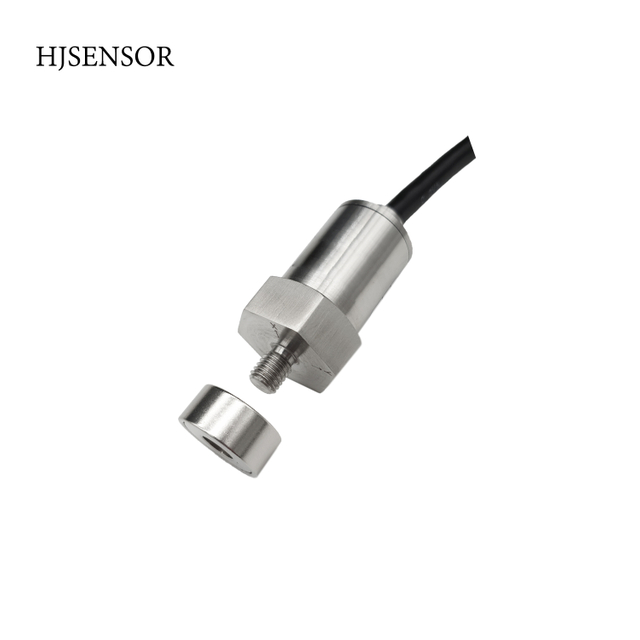
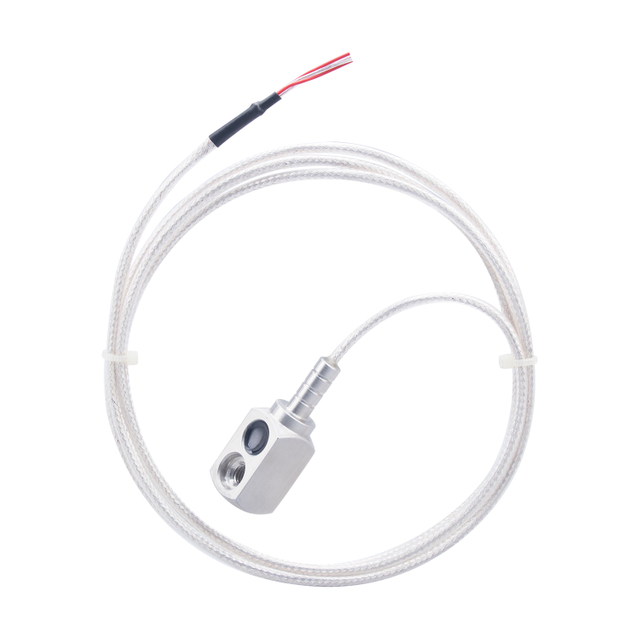
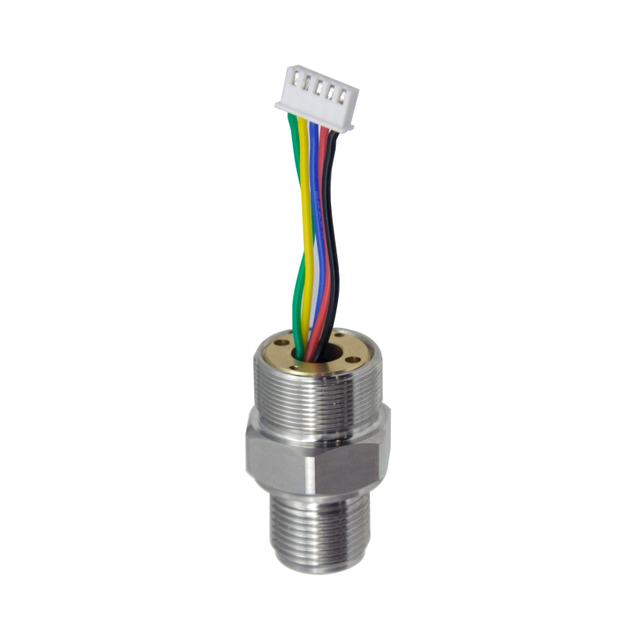
Ever wondered how precise temperature is measured? RTD Sensors make accurate readings possible. They are stable, reliable, and widely used across industries. In this article, you will learn how they work, including their construction, wiring, applications, calibration process, and troubleshooting tips. Understanding RTD Sensors helps engineers and technicians ensure optimal performance in industrial, laboratory, and commercial settings.
An RTD sensor measures temperature by detecting changes in electrical resistance of a metal element. As temperature rises, the resistance increases predictably. Platinum is the most commonly used material because it provides excellent linearity, stability over time, and a wide operational range. Nickel and copper RTDs are also available but have narrower ranges and slightly less stability. The metal element is housed in a protective probe, ensuring durability and reducing environmental effects.
RTDs outperform thermocouples in accuracy and stability, especially within moderate temperature ranges. They offer repeatable measurements and minimal drift over time. Thermocouples may respond faster but are less linear and less accurate. RTDs also provide a broader choice of wiring configurations, allowing users to balance cost, accuracy, and installation complexity. Their predictable electrical behavior makes them suitable for industrial automation and laboratory experiments.
RTDs provide repeatable and reliable measurements over long periods. Their long lifespan reduces maintenance and replacement costs. They are particularly valuable in processes that demand precise temperature control, such as chemical reactions, engine monitoring, and medical devices. Additionally, their high linearity simplifies signal processing and reduces the need for complex calibration.
RTD measurement involves passing a small current through the sensor and measuring the voltage drop across it. The resulting resistance is converted to temperature using calibration curves or equations. Accurate measurement relies on proper wiring and compensation for lead resistance. The sensor’s design, including its material and construction, directly affects response time and sensitivity.
Platinum, nickel, and copper are commonly used metals. Platinum offers the best linearity and stability. Nickel provides a cost-effective alternative with reasonable accuracy. Copper has excellent linearity in a limited range and low cost but oxidizes at higher temperatures. The choice of material depends on application needs, including temperature range, cost constraints, and required accuracy.
Thin-film RTDs consist of a platinum layer deposited on a ceramic substrate. They are cost-effective, compact, and vibration-resistant, suitable for general industrial use. Wire-wound RTDs use coiled platinum wire around a core, offering higher accuracy and stability, but they are more sensitive to vibration and expensive. The construction method determines the sensor’s durability, precision, and response time.
RTD Type | Construction | Advantages | Typical Applications |
Thin-Film | Platinum on ceramic | Low cost, vibration-resistant | Consumer electronics, HVAC |
Wire-Wound | Coiled platinum wire | High accuracy, stable | Laboratory, industrial control |
Protective sheaths made from metal, ceramic, or glass shield RTD elements from mechanical damage and environmental factors. The housing ensures consistent thermal transfer while preventing moisture ingress. Industrial RTDs often use stainless steel sheaths, while lab-grade RTDs may use quartz or ceramic for superior accuracy.
Ultra-Precise Platinum Resistance Thermometers (UPRTs) offer exceptional accuracy but are fragile and expensive, suitable for calibration labs. Standard Platinum Resistance Thermometers (SPRTs) provide a balance of accuracy and durability. Industrial PRTs prioritize robustness, using either thin-film or coil-wound elements in protective housings. Selecting the right RTD type ensures reliable measurements in the intended application.
RTD sensors operate on the principle that resistance increases predictably with temperature. This positive temperature coefficient (PTC) behavior allows precise measurement. Understanding this relationship is crucial for interpreting sensor outputs and achieving reliable temperature control in industrial processes.
RTDs can be configured in 2-wire, 3-wire, or 4-wire setups. The 2-wire configuration is simple but less accurate due to uncorrected lead resistance. The 3-wire RTD compensates for lead resistance, making it common in industrial settings. The 4-wire setup provides maximum accuracy by eliminating the influence of lead resistance, ideal for laboratory environments.
Resistance ratios, such as R0 and R100, define the sensor’s response over a temperature range. Calibration is essential to ensure measurement accuracy. Regular calibration maintains consistency, particularly in industrial applications where even small deviations can impact process quality. Understanding the RTD sensor calibration process helps maintain precision over the sensor’s lifespan.
This equation converts RTD resistance to temperature, accommodating non-linear behavior at extreme temperatures. It allows precise calculation across different temperature ranges, enhancing sensor reliability. Industrial RTDs use these equations to maintain accuracy in complex systems, ensuring consistent readings under varying conditions.
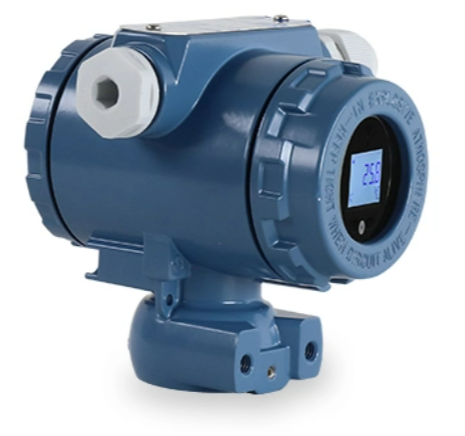
2-wire RTDs are the simplest and most cost-effective configuration, commonly used in short-distance applications where lead resistance has minimal effect on readings. While they are easy to install and require fewer connections, their measurement accuracy is lower compared to 3-wire or 4-wire setups. Environmental factors such as vibration, electromagnetic interference, and temperature fluctuations can introduce errors. Proper mounting, shielding, and careful routing of wires are essential to reduce measurement deviations and maintain consistent performance.
3-wire RTDs are the most widely used industrial configuration because they compensate for lead resistance while maintaining moderate installation complexity. This setup ensures accurate temperature measurements over longer distances than 2-wire sensors, making them suitable for manufacturing plants, chemical processing, and energy applications. By using a third lead for resistance compensation, 3-wire RTDs strike a balance between cost and accuracy. Proper installation, including correct lead connections and minimized mechanical stress, enhances sensor longevity and reliability in industrial environments.
4-wire RTDs provide the highest level of measurement accuracy by completely eliminating the influence of lead resistance. This configuration is essential for laboratory-grade instruments or high-precision industrial monitoring where even minor errors are unacceptable. Though installation is more complex and requires careful attention to wiring, 4-wire RTDs deliver consistent and reliable temperature data. They are especially valuable in research, quality control, and precision manufacturing, ensuring accurate readings across variable environmental conditions without requiring frequent recalibration.
Proper installation is critical to ensure RTD performance and longevity. Avoid mechanical strain on the sensor and leads, and secure all electrical connections tightly. Consider environmental factors such as vibration, humidity, and temperature extremes to prevent damage or signal distortion. Correct cable routing, shielding, and probe positioning reduce electrical noise and thermal lag. Following these best practices not only preserves sensor accuracy but also minimizes maintenance needs and ensures safety in industrial or laboratory environments.
RTDs are extensively used in manufacturing, power generation, and chemical production facilities where precise temperature monitoring is crucial. They provide real-time feedback to control systems, enhancing process efficiency and product quality. Applications include furnace monitoring, chemical reaction control, and temperature regulation in critical production lines. Their reliability under continuous operation makes them ideal for industrial environments where downtime or inaccuracies could lead to costly errors or safety hazards.
In automotive engines, fuel systems, and environmental control components, RTDs deliver accurate temperature readings to ensure optimal performance and safety. Aerospace applications rely on RTDs for critical measurements in engines, avionics, and environmental control systems. Their stability and predictable response to temperature changes make them indispensable in environments where extreme conditions or rapid fluctuations could compromise system performance. Regular maintenance and proper installation are essential to maintain accuracy in these high-stakes applications.
RTDs play a vital role in laboratories and medical settings where precision thermometry is required. They ensure accurate measurements for experimental setups, medical equipment calibration, and environmental control systems. Lab-grade RTDs are often used in research that demands minimal error and high repeatability. Ensuring proper installation, calibration, and environmental protection is critical to maintaining consistent readings and supporting compliance with strict scientific and medical standards.
RTDs are incorporated into consumer electronics and appliances that require precise temperature control, including HVAC systems, ovens, and climate control devices. Accurate sensor readings optimize energy efficiency, improve performance, and enhance user safety. Their reliable operation helps prevent overheating or inefficient energy use, extending the lifespan of electronic devices. Selecting the right RTD type and wiring configuration ensures consistent performance in both residential and commercial applications.
Resistance testing is fundamental for verifying RTD functionality. Using a multimeter, measure the sensor’s resistance at known reference temperatures. For example, a PT100 platinum RTD should read approximately 100 Ω at 0°C and 138.5 Ω at 100°C. Deviations from these values may indicate sensor damage, wiring issues, or calibration drift. Regular testing ensures integrity, maintains reliability, and supports preventive maintenance strategies in industrial or laboratory settings.
RTDs can fail due to mechanical damage, moisture ingress, excessive temperatures, or vibration exposure. Such failures reduce measurement accuracy and can cause process disruptions. Regular visual inspection, monitoring for unexpected resistance changes, and environmental controls help detect and prevent failures. Following RTD sensor troubleshooting tips can minimize downtime and extend the sensor’s operational lifespan, ensuring accurate temperature readings under all conditions.
Periodic calibration is essential to maintain RTD accuracy over time. Comparing sensor readings against reference standards helps detect drift and ensures measurement consistency. Calibration may involve adjusting software parameters or replacing aging components. Well-maintained calibration schedules prevent cumulative errors, ensuring that RTDs provide reliable data for critical industrial, laboratory, and medical applications where temperature control impacts safety and quality.
Troubleshooting involves checking wiring continuity, verifying lead connections, and assessing environmental protections. Ensure proper sensor placement and shielding from electromagnetic interference. Quick diagnostics can prevent prolonged downtime and maintain data integrity. Incorporating practical RTD sensor troubleshooting tips into routine maintenance ensures consistent operation, extends sensor lifespan, and reduces the likelihood of unexpected failures in industrial and laboratory setups.
RTD sensors conform to internationally recognized standards such as IEC 60751 and ASTM E1137. These define sensor tolerances and classes, including Class AA, A, B, and C, specifying acceptable deviations across defined temperature ranges. Compliance ensures consistent performance and interoperability across equipment and industries. Selecting RTDs according to these standards guarantees the accuracy necessary for critical applications in manufacturing, laboratories, and high-precision monitoring systems.
Accuracy is influenced by material purity, wiring configuration, installation method, and environmental conditions. Improper mounting, vibration, extreme temperatures, or humidity can introduce errors. Choosing the appropriate material, such as platinum for high-precision applications, and following best practices in installation minimizes deviations. Understanding these factors is crucial for engineers seeking consistent, repeatable temperature measurements over extended periods.
Laboratory characterization further improves RTD precision by measuring resistance at multiple temperature points and adjusting calibration coefficients. Programming these coefficients into RTD transmitters aligns sensor output with actual behavior, compensating for minor material or construction variations. This method ensures high-fidelity temperature readings, particularly in research, high-precision industrial processes, and environments requiring exact thermal control.
Platinum RTDs provide the highest accuracy and stability, followed by nickel and copper alternatives. Material choice impacts calibration frequency, operational lifespan, and suitability for specific temperature ranges. Selecting the right material ensures the sensor meets accuracy requirements while balancing cost and durability. Understanding these trade-offs is key to optimizing sensor performance in industrial, laboratory, or consumer applications.
RTD sensors provide precise temperature measurement through predictable resistance changes. Understanding their working principle, construction, wiring, calibration, and troubleshooting ensures stability and accuracy. Nanjing Hangjia Electronic Technology Co.,Ltd. offers high-quality RTD products that deliver reliable performance, helping industries maintain efficiency and precision.
A: An RTD Sensor measures temperature by detecting resistance changes in metals, using the RTD sensor working principle for accurate readings.
A: RTD sensors operate by passing current through a metal element and measuring resistance changes, converting them to precise temperature values.
A: The RTD sensor calibration process ensures accuracy over time, compensating for material aging and environmental effects.
A: Check wiring, measure resistance at known temperatures, and inspect for mechanical damage or moisture ingress.
A: Yes, RTD sensors offer higher accuracy, stability, and linearity, though they may cost more and respond slower.
A: They are used in industrial processes, laboratories, automotive, aerospace, and consumer electronics for precise temperature control.