Views: 0 Author: Site Editor Publish Time: 2025-09-27 Origin: Site
A Pressure Switch controls system pressure and ensures safety. It triggers electrical circuits when pressure crosses preset thresholds. In this article, you will learn its function, key components, types, applications, and how to select the right switch for your system.
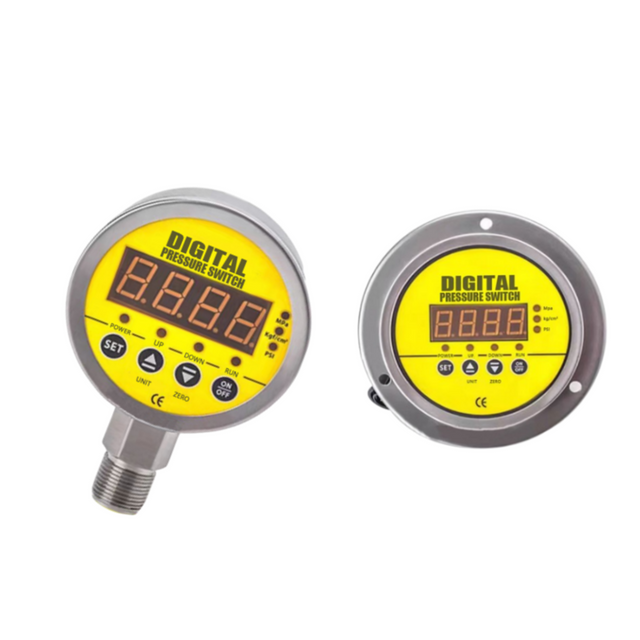
A pressure switch is a control device designed to sense pressure changes and either activate or deactivate an electrical circuit at a predetermined setpoint. Unlike pressure gauges or transducers, which continuously measure pressure, pressure switches function as on/off devices, similar to a light switch. They are used to protect equipment, automate processes, and regulate pressure in systems ranging from water pumps to industrial compressors. The core function is to maintain system stability and prevent damage due to pressure fluctuations.
Pressure switches consist of several essential components that work together to detect pressure and trigger the switch. These include:
● Diaphragm: Sensitive and flexible, the diaphragm detects pressure changes from the process fluid or gas.
● Spring: Adjusts the setpoint by opposing the pressure force, allowing precise activation.
● Lever: Transfers mechanical movement from the sensing element to the electrical contacts.
● Electrical Contacts: Open or close to complete the circuit when the setpoint is reached.
● Terminals: Connect the contacts to an external power source, enabling electrical operation.
Each component contributes to the accurate and reliable operation of the pressure switch, ensuring it performs as expected under various system conditions.
Tip: Inspecting and maintaining these components regularly prevents misfires and extends the switch’s lifespan.
The operating principle of a pressure switch is based on the movement of the sensing element caused by pressure from a fluid or gas. When pressure exceeds or drops below the setpoint, it either compresses or releases a spring, moving the lever to change the state of electrical contacts. Normally open (NO) contacts close when pressure rises above the setpoint, while normally closed (NC) contacts open. This mechanism allows switches to control pumps, compressors, and alarms efficiently.
Setpoints define the exact pressure at which a switch activates. Adjustments are typically made using a screw or knob that alters spring tension. Accurate setpoints are vital for system performance, preventing overpressure or underpressure scenarios. Misaligned setpoints can lead to equipment damage or inefficient operation.
Table: Example Setpoints for Common Applications
Application | Typical Setpoint (psi) | Switch Type |
Residential water pump | 30-50 | Mechanical |
HVAC system | 15-25 | Mechanical |
Industrial compressor | 100-150 | Electronic |
Oil pressure monitoring | 20-80 | Electronic |
Mechanical pressure switches use a spring and piston or diaphragm to trigger electrical contacts. They are simple, robust, and ideal for high-voltage or high-amperage applications. Common applications include HVAC systems, residential water pumps, and industrial machinery. Their advantages include low cost, minimal electronic components, and long-term reliability in stable environments.
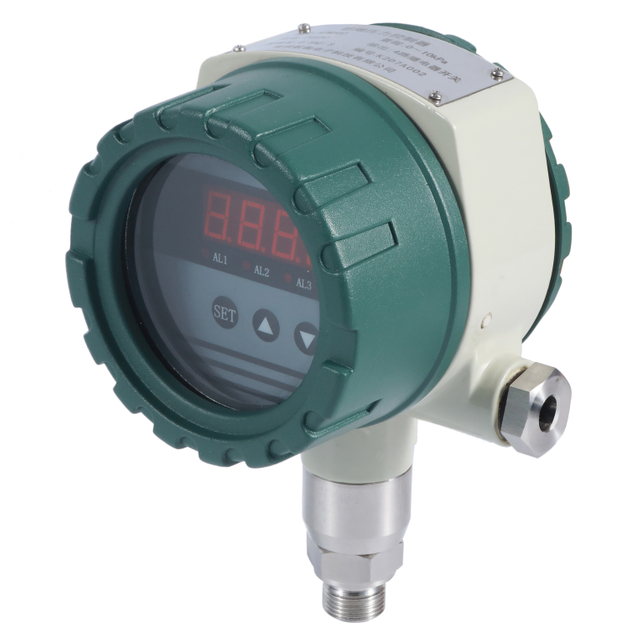
Electronic pressure switches utilize a strain gauge or pressure transducer combined with electronics to measure pressure changes. These switches offer high accuracy, minimal contact wear, long-term stability, and the ability to perform thousands of switching cycles. They are particularly suitable for systems requiring frequent switching or those exposed to vibrations.
Feature | Mechanical | Electronic |
Accuracy | Moderate | High |
Wear and Tear | Higher | Lower |
Cost | Lower | Higher |
Application Frequency | Low to medium | High |
Environmental Sensitivity | Low | Medium |
Mechanical switches excel in simple, rugged environments, while electronic switches perform better in precision applications.
Pressure sensing elements determine how the switch responds to applied pressure. Diaphragms are ideal for low-pressure or vacuum applications, and their material must be compatible with the fluid or gas. Pistons are suited for high-pressure systems, typically exceeding 1000 psi, and require durable materials like stainless steel with compatible O-ring seals.
The activation process begins when the process pressure applies force on the sensing element. If the pressure overcomes the opposing spring force, the lever moves, and the contacts change state. Hysteresis, or deadband, ensures the switch does not immediately reset when the pressure drops below the setpoint, preventing rapid cycling and equipment wear.
● Proof Pressure: Maximum pressure the switch can handle without damage.
● Burst Pressure: Maximum pressure the switch can withstand before leaking or rupturing.
Selecting a switch with appropriate proof and burst pressure ratings is critical for safety in high-pressure applications.
Pressure switches are widely used in water pumps, HVAC systems, and well pressure management. They ensure adequate water pressure, prevent pump cycling, and protect HVAC components from pressure anomalies.
In industrial environments, pressure switches control compressors, furnaces, and vacuum systems. They also act as safety shutoffs, preventing overpressure situations and maintaining consistent system operation.
Pressure switches monitor engine oil pressure, brake systems, and other specialized equipment. These applications often require switches with high accuracy, quick response, and resistance to vibration.
Air compressors, gas cylinders, and pneumatic systems rely on pressure switches to maintain set pressures, automate equipment, and ensure safe operation. They help prevent overpressure, optimize flow, and maintain system efficiency.
Tip: Regularly inspect switches in critical applications to maintain safety and compliance.
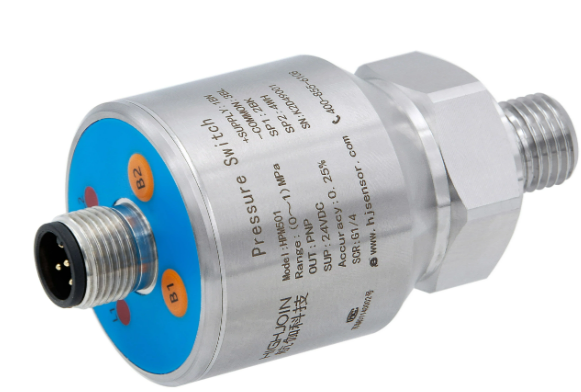
Selecting the appropriate pressure switch begins with understanding the system's cut-in and cut-out pressures. The switch must operate safely across normal and emergency ranges to prevent overpressure or underpressure situations. A carefully chosen setpoint ensures consistent performance, protects equipment, and prevents costly system failures. Engineers should also consider tolerances, as small deviations can affect long-term reliability and operational safety.
Temperature plays a critical role in pressure switch performance and longevity. High temperatures can degrade diaphragms, springs, or other internal components, causing inaccurate switching or premature failure. It is essential to select materials and designs compatible with expected temperature ranges. For systems exposed to fluctuating temperatures, switches with robust thermal stability should be prioritized to maintain repeatable operation.
The chemical and physical properties of the process fluid directly influence diaphragm or piston material selection. Incompatible materials can corrode, swell, or erode, leading to malfunction or early failure. For example, aggressive chemicals require Teflon™ or specialized elastomers, while water or oil systems can use Buna-N or Viton™. Proper material matching ensures long-term durability and reduces maintenance frequency.
External conditions such as dust, humidity, vibration, and potential corrosive elements affect the switch’s lifespan. Enclosures, seals, and corrosion-resistant materials should be chosen to withstand the operational environment. Consider vibration damping or protective housings in industrial setups, and select switches with appropriate IP or NEMA ratings for outdoor or harsh conditions to maintain reliability.
Table: Material Compatibility for Common Fluids
Material | Suitable Fluids | Max Temperature (°C) |
Buna-N | Oil, water | 120 |
Viton™ | Hydraulic fluids, oil | 200 |
Stainless Steel | Water, steam | 300 |
Teflon™ | Chemicals | 250 |
Accuracy ensures a pressure switch triggers precisely at the intended setpoint, while repeatability guarantees consistent activation over multiple cycles. High-quality switches reduce pressure fluctuations, prevent false trips, and maintain stable system operation. For critical applications, even a small deviation can lead to equipment damage or process inefficiencies, highlighting the importance of precise calibration.
Hysteresis, or deadband, prevents rapid on-off cycling caused by small pressure variations. Properly defined deadband protects mechanical components from wear, reduces electrical contact fatigue, and enhances system stability. Selecting a switch with suitable hysteresis for the application ensures smooth operation, especially in systems with fluctuating pressures or frequent load changes.
Pressure switches must safely handle the system’s voltage and current requirements. Overloading can damage contacts, trigger electrical faults, or compromise safety. Engineers should match the switch rating to both steady-state and peak electrical loads, considering environmental factors such as temperature and humidity, which may impact conductivity or insulation over time.
The lifespan of a pressure switch depends on material quality, type (mechanical or electronic), and operating environment. Regular maintenance, proper installation, and correct material selection can significantly extend durability. High-quality switches withstand repeated cycles, harsh conditions, and environmental stress, ensuring reliable operation and reducing the total cost of ownership.
Pressure switches may experience sticking contacts, misadjusted setpoints, mechanical wear, or electrical failures. These issues often arise from improper installation, incompatible fluids, or extreme operating conditions. Early detection through inspection and monitoring can prevent unplanned downtime, improve safety, and avoid expensive repairs or replacements.
Routine maintenance is essential for accurate and reliable switch operation. Cleaning, inspection, and calibration at scheduled intervals prevent debris accumulation, contact oxidation, and spring fatigue. Keeping a documented maintenance log allows operators to track performance trends, identify potential issues early, and maintain compliance with safety and quality standards.
Switches should be repaired or replaced when accuracy deteriorates, components wear, or mechanical damage occurs. Timely replacement ensures continued system safety, prevents equipment damage, and maintains process efficiency. It is recommended to follow manufacturer guidelines and consider proactive replacement in critical applications to avoid unplanned shutdowns.
Tip: Regularly reviewing switch performance and environmental conditions helps anticipate maintenance needs, optimize lifespan, and maintain safe operation.
Pressure switches ensure safe and efficient system pressure control. Understanding their function, components, and applications optimizes performance. Nanjing Hangjia Electronic Technology Co.,Ltd. offers reliable pressure switches that enhance system safety and longevity, providing consistent value for industrial and commercial use.
A: A pressure switch is a control device that monitors system pressure and activates or deactivates an electrical circuit at a preset setpoint. It helps maintain safety, prevent equipment damage, and ensure stable operation across industrial, commercial, and residential systems.
A: Pressure switches operate by using a diaphragm or piston to sense pressure changes. When the pressure reaches the setpoint, it moves a lever to open or close electrical contacts, enabling automated control of pumps, compressors, or alarms.
A: Key components include the diaphragm or piston for sensing pressure, a spring for setpoint adjustment, a lever for mechanical transfer, and electrical contacts to trigger circuits. Together, they ensure accurate and reliable pressure monitoring.
A: Adjustable pressure switches are widely used in HVAC systems, residential and industrial water pumps, air compressors, and other automated pressure systems. They allow fine-tuning of activation points to meet system requirements efficiently.
A: Pressure switches provide simple on/off control for safety and automation, while transmitters offer continuous measurement. Switches are cost-effective, durable, and ideal for applications that do not require constant pressure monitoring.
A: Troubleshooting involves checking for sticking contacts, misadjusted setpoints, mechanical wear, or electrical faults. Regular inspection, cleaning, and calibration ensure consistent performance and extend switch lifespan.