Vortex Flow Meters Vs. Turbine Flow Meters: Choosing for Steam And Gas
Views: 0 Author: Site Editor Publish Time: 2026-03-28 Origin: Site
When it comes to measuring flow in steam and gas systems, choosing the right Flow Meter is crucial for efficiency and cost control. With vortex and turbine flow meters both offering unique advantages, how do you decide which one is right for your application? In this article, we will explore the key differences between these two types of meters, focusing on steam conditions, gas cleanliness, accuracy needs, and long-term operational costs. You’ll learn how to make the best choice for your specific needs.
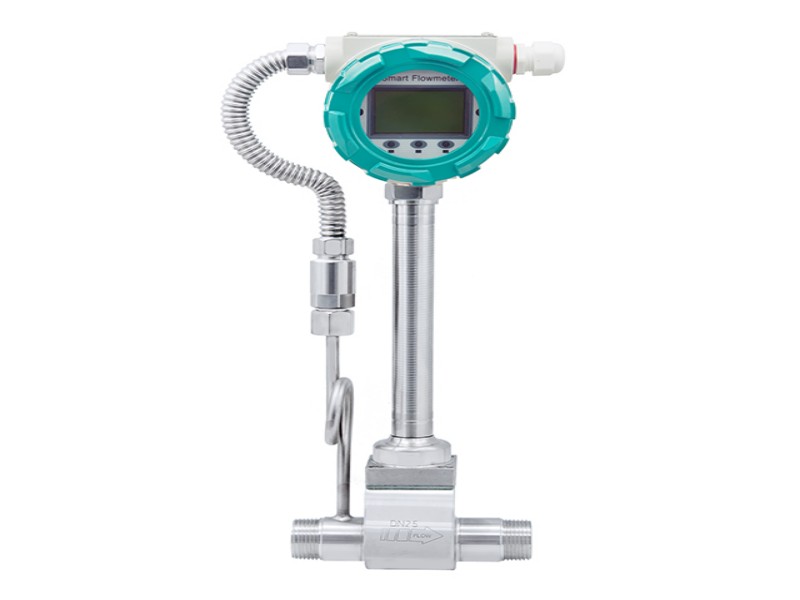
Vortex Flow Meters: Best for Steam and Harsh Gas Applications
Why Vortex Flow Meters are Ideal for Steam
High-temperature tolerance Vortex flow meters are uniquely suited for high-temperature steam applications, as they can measure flow effectively across a broad range of temperatures, including those found in industrial steam systems. Steam, especially in processes like power generation or manufacturing, often operates at elevated temperatures, which can pose challenges for traditional flow meters. Vortex meters, however, are not affected by thermal fluctuations as much as other meter types. Their design, based on vortex shedding caused by fluid flow around a bluff body, allows them to operate efficiently even when the steam temperature varies significantly.
In steam systems, temperature can reach upwards of 300°C or more, which would cause substantial wear or failure in many other types of flow meters, particularly those with moving parts. Vortex meters, however, handle these extreme conditions by relying on a fixed structure that experiences minimal physical stress, making them more durable and reliable in these harsh environments.
No moving parts for better durability One of the biggest advantages of vortex flow meters in steam applications is their lack of moving parts. Traditional turbine meters, for example, rely on a rotor that can be damaged or wear down over time due to the harsh conditions of steam lines. In contrast, vortex meters use a bluff body to disrupt the flow, creating a vortex that is measured. Because there are no rotating components, vortex meters experience less wear, require less frequent calibration, and generally need less maintenance compared to other flow meters.
This lack of moving parts also means vortex meters are less prone to mechanical failure, a critical feature in continuous steam service. In industrial applications where downtime is costly and damaging to production processes, the durability of vortex meters makes them an attractive choice. Their reliability in high-pressure environments, such as in boilers or steam turbines, ensures that they maintain accurate measurements over extended periods, contributing to lower long-term operational costs.
Why Vortex Meters Work Well for Industrial Gas
Stable readings in varying conditions Industrial gas flow conditions often fluctuate due to changing pressure, humidity, and temperature, as well as potential contamination in the gas. Vortex flow meters excel in these environments, providing stable and reliable readings despite these variations. While clean, dry gases allow for more precise measurement, many industrial gases contain moisture, dust, or even small particles that can interfere with other types of meters.
For example, in compressed air systems or gas pipelines, impurities such as water vapor or particulates can cause measurement errors in some meters. Vortex meters, however, are less susceptible to these disturbances. Their ability to measure accurately under less-than-ideal conditions means they are highly effective in real-world gas applications. They can handle non-ideal media conditions where other meters, such as turbine flow meters, may struggle or require more maintenance to ensure accurate readings.
Lower sensitivity issues Another significant advantage of vortex meters in industrial gas applications is their lower sensitivity to minor changes in flow conditions. Unlike turbine flow meters, which depend on the rotor's speed to measure flow, vortex meters rely on the frequency of vortex shedding, which is less sensitive to small changes in flow rate. This makes vortex meters ideal for processes that require consistent flow monitoring over time, even when the flow rate fluctuates within a specific range.
For example, in manufacturing processes where gases may not flow consistently, vortex meters can maintain accuracy even when small deviations occur. The consistent, stable output of a vortex meter ensures that operators have reliable data for system monitoring and control, even in dynamic or changing conditions. This feature makes vortex meters a preferred option for many industrial gas applications, such as measuring flow in air handling systems, utility gas supply, and even natural gas distribution lines where conditions might vary from time to time.
Turbine Flow Meters: Best for Clean Gas and High-Precision Needs
When to Choose Turbine Flow Meters for Clean Gas
Accuracy in clean, dry gas applications
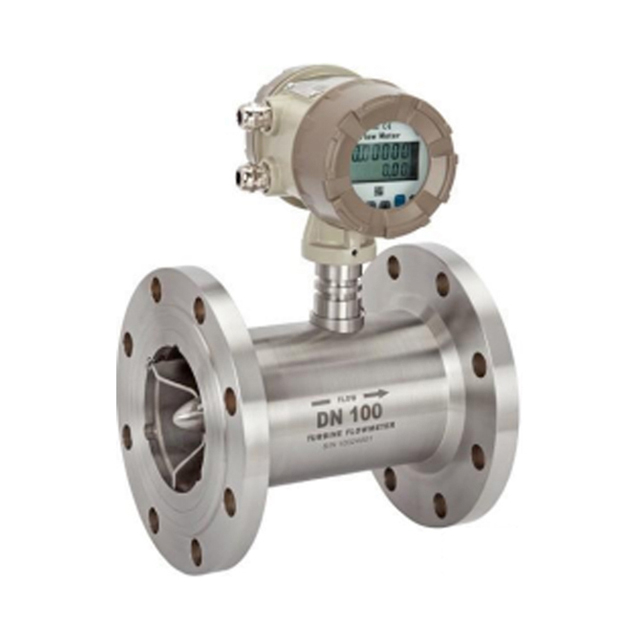
Turbine flow meters are particularly well-suited for measuring the flow of clean, dry gases, where high accuracy is required. In natural gas metering, for instance, turbine meters excel because they can detect even slight variations in flow rates with high precision. The rotor inside the turbine meter spins as the gas passes through it, and the speed of the rotor is directly proportional to the flow rate. This mechanical action provides an accurate measurement of the gas flow, making it ideal for applications where precise measurements are critical, such as in the energy sector, industrial gas supply, and commercial metering.The turbine meter's sensitivity to small changes in flow rate is one of its key strengths, especially in regulated environments like utility gas distribution, where the flow rate must be accurately metered to ensure proper billing and system performance. This level of precision makes turbine meters the preferred choice for clean gas applications, where contaminants like dust, moisture, or particulates are minimal, allowing the meter to perform at its best without interference.
High flow rates and fast response
Another reason turbine flow meters are often the best option for clean gas applications is their ability to handle high flow rates and provide fast response times. Gas systems that require quick adjustments based on fluctuating flow demand benefit from the fast-responding nature of turbine meters. Whether it's for monitoring natural gas pipelines, compressed air systems, or process gas measurement, turbine meters provide immediate feedback, which is crucial for controlling system processes in real-time.Their ability to provide rapid, accurate readings allows operators to make swift decisions, optimizing the flow and maintaining system efficiency. In applications like gas transportation or power generation, where maintaining a steady flow is essential to ensure the operation runs smoothly, the responsiveness of turbine meters can prevent costly errors and downtimes.
The Limitations of Turbine Meters in Steam and Dirty Gas
Moving parts are sensitive
While turbine flow meters are excellent for clean gas applications, their reliance on moving parts presents a vulnerability in environments where the gas is contaminated, dirty, or inconsistent. The rotor inside the turbine meter is particularly sensitive to impurities like dust, moisture, or particles that might be present in industrial gas or steam. These contaminants can cause the rotor to wear down over time, leading to inaccurate readings and increased maintenance needs. In systems where the gas contains even small amounts of debris or where flow conditions fluctuate, the rotor may fail to provide accurate measurements, which can compromise the entire system’s operation.For example, in applications where the gas is not perfectly filtered, such as certain industrial processes or waste gas systems, the turbine flow meter may become clogged, affecting its performance and requiring frequent maintenance. This makes turbine meters less suitable for environments where gas purity cannot be guaranteed.
Vulnerability in steam applications
Turbine meters are not well-suited for steam applications due to their sensitivity to high temperature and pressure. Steam systems often operate at much higher temperatures and pressures than gas systems, and turbine meters’ moving parts are not designed to withstand the extreme conditions typical in steam lines. In steam applications, the flow meter needs to be robust enough to handle high temperatures—sometimes exceeding 300°C—and fluctuating pressures, which could cause turbine meters to malfunction or wear out quickly.In these conditions, vortex flow meters, which have no moving parts and can tolerate the harsh environments of steam systems, are often a better choice. Vortex meters are unaffected by temperature and pressure variations in steam lines, making them a more reliable and long-lasting solution.
Key Considerations for Choosing Between Vortex and Turbine Flow Meters
1. Media Type and Cleanliness
Steam vs. gas conditions When selecting between a vortex and turbine flow meter, the type of medium being measured is one of the most important factors. Vortex meters generally excel in steam applications due to their ability to handle high temperatures, pressures, and the variability that comes with steam systems. They are not affected by the physical properties of the medium—making them reliable even in fluctuating conditions common in steam lines.
In contrast, turbine meters are best suited for clean, dry gases. The rotor inside the turbine meter can quickly wear down or become inaccurate if the gas contains any impurities or moisture. Therefore, when clean, dry gas is the target medium, turbine meters provide the precision required for accurate readings.
Flow Meter Type | Best For | Limitations |
Vortex | Steam, wet, and harsh gas conditions | Less accurate for low flows |
Turbine | Clean, dry gases with stable conditions | Sensitive to contaminants, moisture |
2. Accuracy vs. Durability
Long-term stability vs. short-term precision Vortex and turbine flow meters offer different trade-offs when it comes to accuracy and durability. Turbine meters are known for their high precision, particularly in clean, steady gas applications. They deliver fine measurements, which is critical for industries that require tight control over gas flow, such as natural gas distribution or metering. However, this precision often comes at the cost of durability.
Vortex meters, on the other hand, are designed for long-term stability and resilience. With no moving parts, they are much less likely to suffer from wear and tear over time. While they may not achieve the same level of precision as turbine meters, they are better equipped for maintaining reliable performance in environments with fluctuating conditions, such as high-temperature steam or dirty gas.
3. Maintenance and Lifetime Costs
Low maintenance with vortex meters Vortex meters are typically preferred when low maintenance and long operational life are key priorities. Because vortex meters have no moving parts, they are less susceptible to mechanical failure. This translates into fewer calibration needs and less frequent maintenance interventions, ultimately reducing the total cost of ownership. They are ideal in industries where uptime is critical and where frequent meter servicing would result in operational inefficiency or increased downtime costs.
Frequent calibration for turbine meters While turbine meters offer high precision, they require regular calibration and maintenance due to their reliance on moving components. Over time, the rotor or bearings may experience wear, especially in harsh or unclean environments. This wear can lead to accuracy degradation, which means turbine meters must be recalibrated more frequently to ensure consistent and accurate readings. This maintenance requirement, combined with the need to keep the gas clean, can add to the overall operational costs and downtime.
4. Application-Specific Needs
Guidelines for specific uses When choosing between vortex and turbine flow meters, it is important to consider the specific requirements of the application. For instance:
● Industrial plants and steam systems: Vortex meters are the go-to choice due to their robustness and ability to operate under extreme conditions, such as high temperatures and pressures. They provide reliable readings in continuous processes without the need for regular recalibration.
● Metering systems for natural gas or clean gases: Turbine meters are the preferred option, offering high precision and fast response times for applications where accuracy is essential, such as in billing or custody transfer.
● Applications with variable media quality: If the gas quality is inconsistent or contains moisture or particulates, vortex meters provide better performance, as they are not impacted by these factors, unlike turbine meters which are sensitive to such changes.
Conclusion
Vortex meters are ideal for steam and harsh gas applications, offering durability and low maintenance. In contrast, turbine meters excel in clean gas applications where high precision is crucial. Choosing the right Flow Meter depends on specific operating conditions, accuracy requirements, and long-term cost considerations. Nanjing Hangjia Electronic Technology Co., Ltd. provides reliable flow measurement solutions tailored to various industries, helping optimize efficiency and reduce operational costs.
FAQ
Q: What is the best Flow Meter for steam applications?
A: Vortex Flow Meters are generally the best choice for steam applications due to their durability, high-temperature tolerance, and minimal maintenance.
Q: How do Flow Meters differ in gas applications?
A: Turbine Flow Meters excel in clean gas applications where high precision is needed, while Vortex Flow Meters perform better in harsh or dirty gas conditions due to their robust design.
Q: Which Flow Meter requires less maintenance?
A: Vortex Flow Meters require less maintenance because they have no moving parts, unlike turbine meters, which depend on rotor movement and require regular calibration.
Q: Can Flow Meters handle both high and low flow rates?
A: Turbine Flow Meters are better for high flow rates with fast response times, while Vortex Flow Meters are suitable for more stable flow conditions over time.