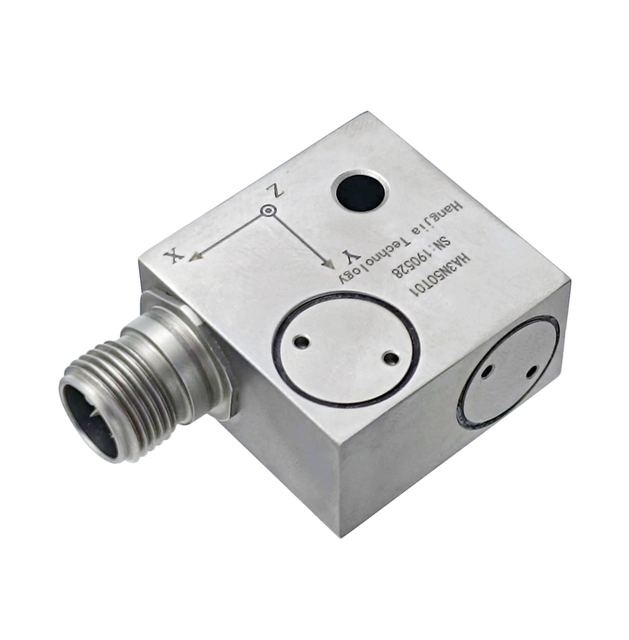
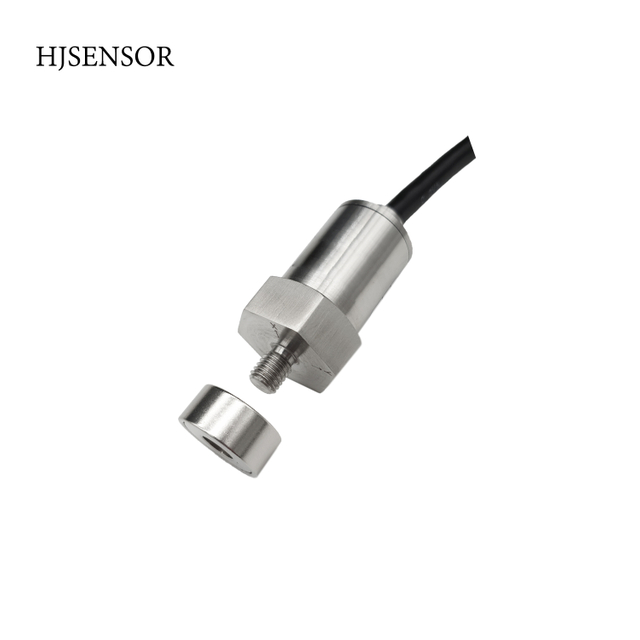
A pressure gauge measures system pressure instantly. It ensures safety and efficiency in operations. Without it, systems risk damage or failure. In this article, you’ll learn its definition, types, applications, and selection tips for reliable performance.
Understanding Pressure Gauges
Definition and Core Function
A pressure gauge is a device that measures internal pressure in a system relative to a reference point. It translates the physical pressure into a readable measurement on a dial or digital display. This function is critical in maintaining safe operation, especially in industrial settings where pressure fluctuations can lead to equipment damage or safety hazards. They are simple to install and often require no external power, making them reliable in most conditions.
Pressure gauges can be found in many systems, from HVAC units to high-pressure industrial machinery. They serve as the primary means of monitoring pressure changes in real time. Operators rely on them to make immediate adjustments and ensure systems operate within their designed limits. This real-time feedback is invaluable for both safety and efficiency.
Why Pressure Gauges Matter
Pressure gauges prevent equipment failure by allowing operators to detect abnormal pressure changes early. Without them, systems could overpressurize or underperform, risking operational downtime. They also help maintain compliance with safety standards by providing visible, traceable readings. Additionally, pressure gauges support routine maintenance, helping technicians troubleshoot issues and plan preventive measures effectively.
They are crucial in maintaining product quality as well. For example, in chemical processing, precise pressure control ensures consistent chemical reactions and avoids contamination or waste. Pressure gauges also contribute to energy efficiency, reducing unnecessary pressure spikes and conserving resources.
Key Problems Pressure Gauges Solve
Pressure gauges address several operational challenges. First, they monitor pressure fluctuations, ensuring that systems remain within safe operating ranges. Second, they detect leaks or blockages that could compromise performance. Third, they support troubleshooting by helping identify malfunctioning components early, reducing downtime and maintenance costs. By providing accurate, real-time data, pressure gauges allow operators to respond quickly and prevent serious issues.
They also enable process optimization. Engineers can adjust flow rates, pump speeds, and other variables based on gauge readings. This precise control improves system reliability and efficiency. Without a reliable pressure gauge, these adjustments would be guesswork, increasing risk and operational cost.
Types of Pressure Gauges
Mechanical Pressure Gauges
Mechanical pressure gauges, often analog, use a physical sensing element to indicate pressure. Bourdon tubes, diaphragms, and bellows are common elements that flex under pressure, moving a pointer on a dial. They are durable, reliable, and ideal for medium to high-pressure applications. Mechanical gauges are cost-effective and often require little maintenance, making them suitable for industrial and commercial uses.
They are widely used in fluid power systems, HVAC units, and general maintenance applications. Mechanical gauges can handle harsh conditions, including high vibration and temperature variations. Their simplicity ensures they provide consistent readings over long periods, even in demanding environments.
Digital Pressure Gauges
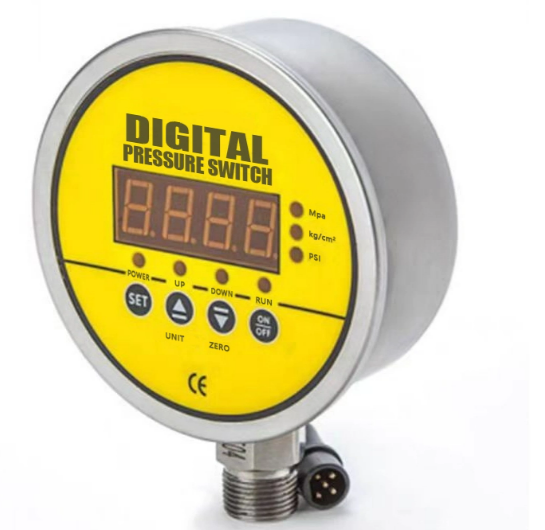
Digital pressure gauges use electronic sensors to measure pressure and display results on a screen. They offer higher accuracy than mechanical gauges and can record small incremental changes. Digital gauges often include features such as data logging, remote monitoring, alarms, and unit conversion. They excel in applications requiring precise measurements, such as laboratory research or sensitive industrial processes.
Unlike mechanical gauges, digital units maintain calibration longer and resist mechanical wear. They are especially useful in low-pressure applications or where quick detection of changes is critical. Many digital pressure gauges integrate with computer systems for real-time monitoring and analysis.
Low-Pressure Sensing Gauges
Low-pressure gauges, including diaphragm capsules and bellows, measure slight variations in pressure. They are commonly used in laboratory, HVAC, and medical applications where small changes can have significant effects. Their design allows sensitive detection and smooth operation, even under minimal pressure.
These gauges are often compact and can be installed in confined spaces. They are suitable for monitoring delicate processes where precision is essential. Proper calibration ensures reliable results and consistent system performance.
High-Pressure Sensing Gauges
High-pressure gauges, including C-tube and helical Bourdon tubes, are designed for extreme pressure conditions. Materials such as stainless steel or Inconel ensure durability and resistance to corrosion or fatigue. These gauges are common in oil refineries, power plants, and high-pressure hydraulic systems where safety and accuracy are critical.
High-pressure gauges often include safety features such as solid front cases and pressure relief plugs. Their construction allows them to withstand sudden pressure surges without failure. These gauges are essential in applications where failure could result in costly downtime or safety incidents.
Type of Gauge | Pressure Range | Common Applications | Advantages |
Mechanical | Medium to high | Industrial, HVAC | Durable, simple, cost-effective |
Digital | Low to high | Lab, sensitive industrial | Accurate, data logging, remote monitoring |
Low-Pressure | Very low | Medical, HVAC | Sensitive, compact, precise |
High-Pressure | High to extreme | Oil, power plants | Durable, safe, reliable |
Core Components of a Pressure Gauge
Measuring Elements
The measuring element detects pressure changes. Flexible components such as Bourdon tubes, diaphragms, and bellows deform under pressure. This deformation is converted into a rotational motion to move the pointer on an analog dial or to feed a digital sensor. Proper selection of the measuring element ensures accuracy, reliability, and suitability for the specific application.
Material choice for the sensing element is crucial. Stainless steel and Inconel resist corrosion and pressure fatigue. Diaphragms are ideal for low-pressure fluids, while Bourdon tubes excel in higher pressures. Understanding these elements ensures you select the right gauge for system needs.
Pointer and Movement Mechanism
In mechanical gauges, the pointer translates the element's motion into readable data. Gears and linkages convert linear or flexing movement into rotation. This mechanism must be precise to maintain accuracy over time. Regular inspection ensures the pointer responds correctly to pressure changes.
Pointer design impacts visibility. Larger dials and clear markings improve readability, especially in industrial settings. The mechanism should also minimize wear to ensure consistent performance.
Dial and Scale Elements
The dial provides a visual reference, often in single or dual scales for convenience. Accuracy is influenced by dial size, visibility distance, and scale graduation. Dual-scale gauges allow measurement in multiple units, such as psi and bar, simplifying operations for international or multi-system environments.
Accurate scale calibration is critical. Even small misalignments can result in improper readings, affecting system safety and efficiency. Operators should verify calibration periodically to maintain reliability.
Gauge Case and Window
Gauge cases protect internal components from environmental hazards. Open front cases are cost-effective for low-pressure applications, while solid front cases add safety for high-pressure systems. Windows can be glass, acrylic, or polycarbonate, chosen based on durability and chemical resistance.
Safety features like pressure relief plugs prevent accidents if the measuring element fails. Case material and design should match the operational environment, ensuring long-term durability.
Applications of Pressure Gauges
Industrial Applications
Pressure gauges are widely used in manufacturing, chemical processing, and hydraulic systems. They allow operators to monitor equipment health and optimize performance. Accurate pressure measurement prevents system failures and ensures safety compliance.
Commercial and OEM Applications
Smaller, economical gauges are used in commercial equipment and original equipment manufacturing (OEM). These gauges monitor general operations, maintenance systems, and routine processes. They are cost-effective and easy to replace if necessary.
Scientific and Laboratory Use
High-precision gauges are essential in labs for low-pressure measurements. They provide reliable readings for experiments, research, and sensitive equipment. Accuracy and repeatability are critical to ensuring valid results.
HVAC, Water, and Process Control
Pressure gauges maintain correct flow in heating, cooling, and water systems. They monitor pumps, compressors, and filtration units. Reliable pressure measurement helps prevent system inefficiencies, leaks, and energy waste.
Selecting the Right Pressure Gauge
Determining Pressure Range Requirements
Select a gauge whose range matches the system pressure. Too high a range reduces sensitivity, while too low can damage the gauge. Ensure maximum expected pressure does not exceed gauge limits. Understanding the system’s pressure profile is critical for accuracy.
Material Compatibility
Choose materials that resist corrosion and wear from the measured fluid. Metals like stainless steel or alloys prevent damage in harsh chemical environments. Elastomers and diaphragms must suit temperature and chemical conditions for long-lasting operation.
Environmental and Safety Considerations
Environmental factors, such as temperature extremes, humidity, or vibration, affect gauge performance. Safety considerations, including high-pressure risks, should influence gauge type and protective features. Proper installation minimizes exposure to hazards.
Accuracy and Precision Needs
Determine required accuracy based on the application. Industrial processes may tolerate broader tolerances, while laboratories require precise readings. Accuracy directly impacts system efficiency and safety.
Advanced Features in Pressure Gauges
Differential Pressure Measurement
Differential pressure gauges are designed to compare pressure between two points in a system. This capability is essential for monitoring flow, detecting blockages, and ensuring process efficiency. In applications such as filtration systems, HVAC, and chemical processing, these gauges help operators identify inconsistencies early, enabling timely adjustments and preventing equipment damage. By accurately showing the pressure difference, they support energy savings and optimize system performance, especially in environments where small pressure changes can significantly affect outcomes.
Strain Gauge and Piezoelectric Sensors
Digital pressure gauges often employ strain gauge or piezoelectric sensor technology for precise measurements. Strain gauges detect subtle deformation in diaphragms and convert it into an electrical signal, while piezoelectric sensors generate a charge proportional to applied stress. Both types offer high accuracy, rapid response, and excellent durability under harsh conditions. They are particularly useful in low-pressure or high-precision applications, providing reliable readings for research laboratories, industrial process control, and other environments where small deviations can have a large impact on system performance.
Customizable Dials and Scales
Modern pressure gauges often feature fully customizable dials and scales, allowing operators to quickly assess system status at a glance. Zones can be color-coded to indicate safe, normal, and critical pressure ranges, improving safety awareness. Dual-unit scales facilitate international use or multi-system integration, while branded dials promote consistency across company equipment. Customization not only enhances readability and safety but also improves operational efficiency by reducing misinterpretation of pressure readings, especially in complex industrial or commercial systems where rapid decision-making is critical.
Data Integration Capabilities
Digital pressure gauges increasingly integrate with data acquisition systems, offering logging, remote monitoring, and automated alarms. These capabilities allow operators to track trends, generate reports, and receive real-time alerts for abnormal pressure events. Integration supports predictive maintenance, helping prevent downtime and reduce operational costs. Additionally, it enables centralized control across multiple systems, streamlining management in large industrial facilities. By leveraging data integration, organizations can enhance efficiency, maintain safety compliance, and make data-driven decisions for system optimization.
Maintenance and Best Practices
Routine Inspection and Calibration
Regular inspection and calibration are essential for maintaining accurate pressure readings and ensuring system safety. Routine checks can identify minor issues before they escalate into significant failures. Calibration aligns gauge readings with standard references, preventing operational errors and improving process consistency. Consistent maintenance, including cleaning, lubrication, and proper handling, extends gauge lifespan, reduces repair costs, and ensures reliability over time. Operators should establish a structured schedule to monitor performance and verify calibration for each gauge used in critical systems.
Troubleshooting Common Issues
Pressure gauges may encounter common problems such as pointer misalignment, leaks, or mechanical wear. Detecting these issues early allows for prompt corrective actions, minimizing system downtime and preventing equipment damage. Proper troubleshooting involves inspecting mechanical components, verifying connections, and testing gauge responses under controlled conditions. Addressing minor faults before they escalate ensures consistent performance and maintains operational safety. Training personnel on common issues and troubleshooting techniques also enhances overall system reliability and reduces unexpected failures.
Extending Gauge Lifespan
Extending the lifespan of a pressure gauge requires careful installation, protection from environmental hazards, and adherence to operational limits. Avoiding overpressurization, corrosive exposure, or extreme temperature fluctuations preserves sensor integrity. Using protective cases or filters, monitoring operating conditions, and implementing routine maintenance further enhances durability. Proper handling during installation and operation prevents mechanical damage. By proactively managing environmental and operational factors, organizations can maximize the reliability and cost-effectiveness of pressure gauges, ensuring they remain accurate and functional over the long term.
Conclusion
Pressure gauges are essential for accurate pressure monitoring. They come in various types, including digital options with advanced features. Proper use ensures safety and efficiency across industries. Nanjing Hangjia Electronic Technology Co.,Ltd. offers reliable gauges that deliver precise readings and long-term performance, providing real value for industrial applications.
FAQ
Q: What is a pressure gauge?
A: A pressure gauge measures the pressure of gases or liquids in a system, providing real-time readings to ensure safe and efficient operation.
Q: What types of pressure gauges are available?
A: Common types include mechanical gauges, digital pressure gauges, low-pressure and high-pressure sensing gauges for various applications.
Q: Why is a pressure gauge important?
A: It prevents system failures, detects leaks, and supports maintenance, ensuring safety and consistent performance across industrial and commercial systems.
Q: Where are pressure gauges used?
A: Pressure gauge applications include manufacturing, chemical processing, HVAC systems, laboratories, and fluid power systems.
Q: How do digital pressure gauges differ?
A: Digital pressure gauges offer higher accuracy, data logging, remote monitoring, and alarms, making them ideal for precise and low-pressure measurements.