How to Choose the Right Flow Meter for Your Industrial Process?
Views: 0 Author: Site Editor Publish Time: 2026-04-30 Origin: Site
How to Choose the Right Flow Meter for Your Industrial Process?
Have you ever installed a flow meter, only to find that the readings never seemed right? Or maybe you are looking at water, gas, oil, and steam applications all at once and have no idea where to start?
Choosing the right flow meter isn’t as complicated as it seems. Let’s walk through it together – step by step – based on real‑world conditions.
1. First, what exactly are you measuring?
This is the most basic question – and the one where most mistakes happen. Different media demand different measuring principles.
Conductive liquids (tap water, wastewater, acids, slurries) → Electromagnetic flow meter (HFM100) is the no‑brainer choice. No moving parts, no pressure drop, and it handles dirty media with ease.
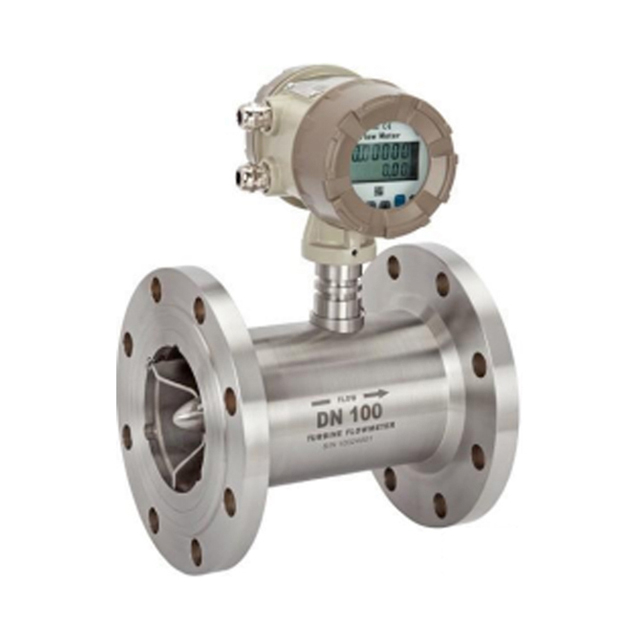
Clean, low‑viscosity liquids (diesel, petrol, light oils, solvents) → Turbine or gear meters give you fast response and good accuracy.
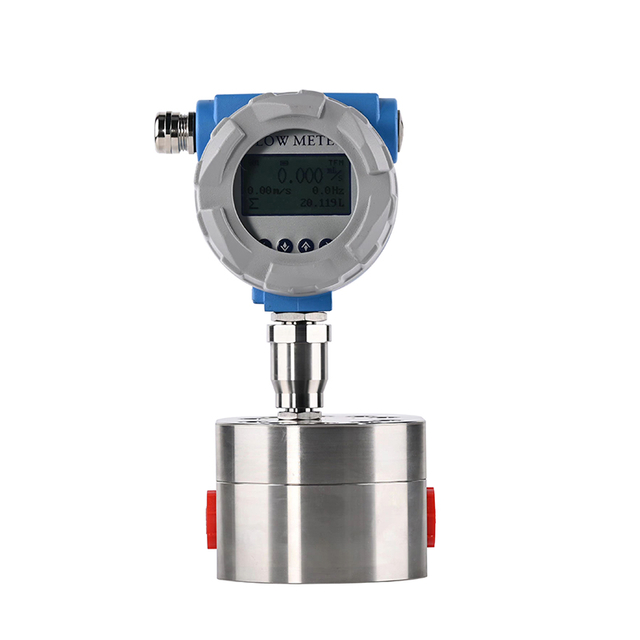
High‑viscosity liquids (lubricating oil, syrup, asphalt) → Go straight for gear meter (HFM650) . It stays accurate even when the liquid is thick.
Gas or steam → Don’t try to use a water meter here. Vortex or variable area (rotameter) meters are the standard go‑tos.
Corrosive or ultrapure liquids → Electromagnetic meter with PTFE liner and tantalum electrodes, or a non‑contact ultrasonic meter.

2. What is your flow range and pipe size?
Every meter has a “sweet spot”. Run it too low and accuracy suffers; run it too high and you shorten its life.
Very low flows (mL/min to a few L/min) → Gear meter (HFM650) or a small rotameter.
Moderate to high flows (m³/h) → Electromagnetic, turbine, or vortex – depends on pipe size. We offer sizes from DN6 up to DN3000.
Large pipes (over DN300) → Insertion electromagnetic or vortex meters save cost without sacrificing reliability.
A handy rule of thumb: keep your normal operating flow between 30% and 80% of the meter’s maximum range. That gives you the best balance of accuracy and longevity.
3. How accurate do you really need to be?
To be honest, not every job needs lab‑grade precision.
Custody transfer or precision batching → Gear meter or high‑quality turbine (±0.5% of reading).
General process control → Electromagnetic or vortex is more than enough (±0.5% to ±1% of rate).
Energy monitoring (steam, compressed air) → Vortex meter (±1% of rate) is the industry favourite.
Just a local indication, no signal needed → Variable area rotameter (HFM400) – simple pointer, no power required.
One thing to watch: check whether the accuracy is given as “% of reading” (real accuracy) or “% of full scale” (which can be misleading at low flows).
4. Don’t ignore pressure drop and energy cost
Some flow meters create resistance. That resistance costs you energy – pump or compressor power – which adds up over time.
Zero pressure drop → Electromagnetic, ultrasonic (nothing sticks into the flow).
Very low pressure drop → Vortex, turbine (very small obstruction).
Moderate pressure drop → Gear meter – but for high‑viscosity fluids, this is rarely a concern.
Higher pressure drop → Rotameters, small orifice plates.
If you are measuring on a large pump or a gravity system, choosing a zero‑drop meter can save enough electricity in a year to pay for itself.
5. Installation and maintenance – real‑world ease
What plant engineers really care about: easy to install, doesn’t break often, and simple to service.
Straight pipe required?
Turbine and vortex usually need 5‑10D upstream and 3‑5D downstream.
Electromagnetic and vortex are more forgiving (2‑5D) – great for retrofits.Moving parts?
Turbine and gear have rotors or gears – they need clean media.
Electromagnetic and vortex have no moving parts – almost maintenance‑free.Local reading or remote signal?
Rotameters and turbine meters can be read on‑site.
Most others give you 4‑20 mA, pulse, or RS485 for the control room.

At a glance – which meter for which job
Technology | Model | Best for | Accuracy | Pressure drop | Maintenance |
|---|---|---|---|---|---|
Electromagnetic | HFM100 | Conductive liquids (water, acids, slurries) | ±0.5% | None | Very low |
Turbine | HFM90 / HFM900 | Clean, low‑viscosity liquids (fuel, water) | ±1% (0.5% opt.) | Low | Moderate |
Vortex | HFM200 | Liquid, gas, steam | ±1% (gas/steam) | Low | Low |
Gear (PD) | HFM650 | High‑viscosity, lubricating liquids | ±0.5% of reading | Moderate | Low (if filtered) |
Variable area | HFM400 | Low flows, small pipes, local indication | ±1.5% | Medium | None |
Still unsure? Let us help
Choosing a flow meter doesn’t have to be painful. Just tell us your fluid, pipe size, flow rate, and what kind of output you need – we’ll recommend the right model. Our engineering team is available for a free consultation.